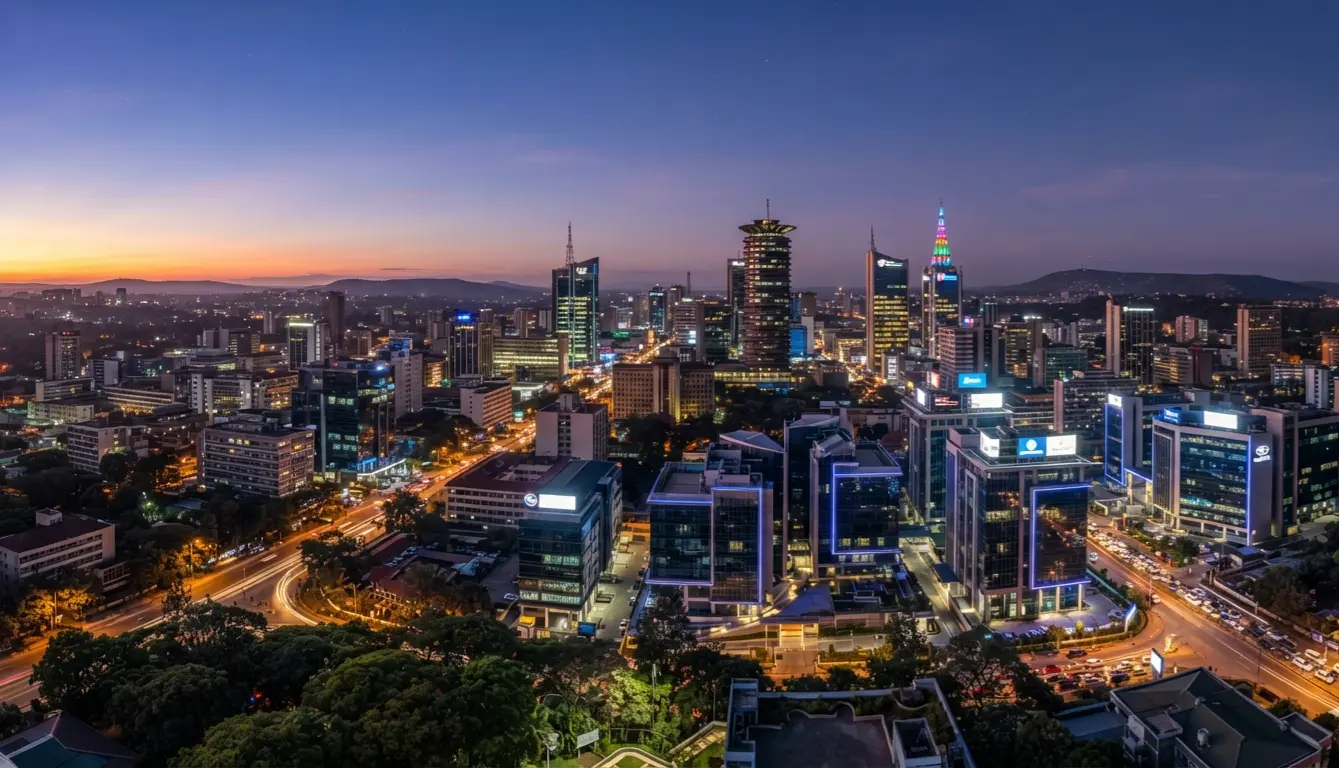
Kenya's data centre industry is geographically concentrated to an extraordinary degree. Approximately 80% of the country's total IT power capacity is located within a 15-kilometre radius in Nairobi, primarily along the Mombasa Road corridor. This concentration is not accidental, it reflects the economics of connectivity, demand, and infrastructure that make Nairobi the natural location for data-intensive facilities. But as the industry grows and new use cases emerge, the question of where the next data centre should be built is becoming increasingly relevant.
Site selection for a data centre is a multi-million-dollar decision that cannot be easily reversed. Once a facility is built, its location is fixed for 15–25 years. The building, the power connections, the fibre routes, the cooling systems, all of it is purpose-built and immovable. Getting the location wrong means either accepting suboptimal performance and higher costs for the facility's entire life, or writing off the investment and building elsewhere. This is why site selection is arguably the most important decision in the data centre development process, and why it deserves rigorous analysis.
Nairobi: The Established Hub
Nairobi's dominance in Kenya's data centre industry is built on four pillars that are difficult to replicate elsewhere.
Customer Proximity
The most important factor in data centre site selection is proximity to customers. Data centres exist to serve the organisations that need computing, storage, and connectivity, and in Kenya, those organisations are overwhelmingly concentrated in Nairobi. The city is home to the headquarters of all major Kenyan banks (KCB, Equity, Co-operative Bank, Standard Chartered, Absa, NCBA), the largest telecom operators (Safaricom, Airtel, Telkom Kenya), international organisations (the United Nations Environment Programme, UN-Habitat, numerous diplomatic missions), and the central government ministries that are driving digitalisation.
For colocation providers, this customer concentration means that a facility in Nairobi can attract customers from multiple sectors, reducing the risk of dependence on any single industry. For enterprise data centres built by banks or telecom companies, being in Nairobi means low latency to their own headquarters and branch networks. The proximity advantage is structural and self-reinforcing, as more data centres are built in Nairobi, more customers and partners locate nearby, which justifies further investment.
Connectivity
Nairobi's connectivity advantage is significant. Multiple fibre operators (Liquid Intelligent Technologies, Safaricom, Telkom Kenya, and Jamii Telecommunications) have dense metro fibre networks covering the city's commercial and industrial areas. The Mombasa Road corridor, where most data centres are located, is served by multiple diverse fibre routes from multiple providers, enabling the redundancy that enterprise customers require.
Nairobi is also the primary hub for the Kenya Internet Exchange Point (KIXP), which allows networks to exchange traffic locally rather than routing through South Africa or Europe. For data centres, KIXP presence means that traffic between Kenyan networks can be exchanged with sub-5ms latency, significantly improving performance for local users.
Power Infrastructure
Nairobi has the most reliable power supply in Kenya. While Kenya Power's grid reliability has faced challenges in some areas, Nairobi's central business districts, industrial areas along Mombasa Road, and Westlands generally experience fewer and shorter outages than other parts of the country. Kenya Power has dedicated feeders and higher reliability targets for industrial zones, and data centres supplement grid power with on-site generators and UPS systems.
The cost of power in Nairobi is also favourable compared to many other African cities. Kenya's generation mix (dominated by geothermal energy from the Rift Valley) keeps electricity costs lower than in countries dependent on diesel or coal generation. Industrial tariffs in Nairobi range from KES 12 to KES 18 per kilowatt-hour, compared to KES 20–30 in some Nigerian cities or KES 15–22 in South African cities affected by load shedding.
Workforce
Data centres require a skilled workforce (network engineers, systems administrators, facility managers, cabling technicians, security personnel) and Nairobi has the largest pool of these skills in East Africa. The city's universities (University of Nairobi, Strathmore, Jomo Kenyatta University of Agriculture and Technology, Kenyatta University) produce thousands of IT and engineering graduates annually. While the specialised skills required for data centre operations are in short supply everywhere in Kenya, the probability of finding and recruiting qualified staff is highest in Nairobi.
The Mombasa Road Corridor
Within Nairobi, the Mombasa Road corridor (specifically the area around Enterprise Road, Sameer Business Park, and the adjacent industrial zones) has emerged as the primary data centre cluster. iXAfrica, Africa Data Centres, Safaricom, and several smaller operators all have facilities along this corridor. The reasons are practical: the area has good power infrastructure, is close to the Jomo Kenyatta International Airport, has ample land for expansion (compared to the CBD), and sits on the main fibre route between Nairobi and Mombasa.
Mombasa: The Connectivity Play
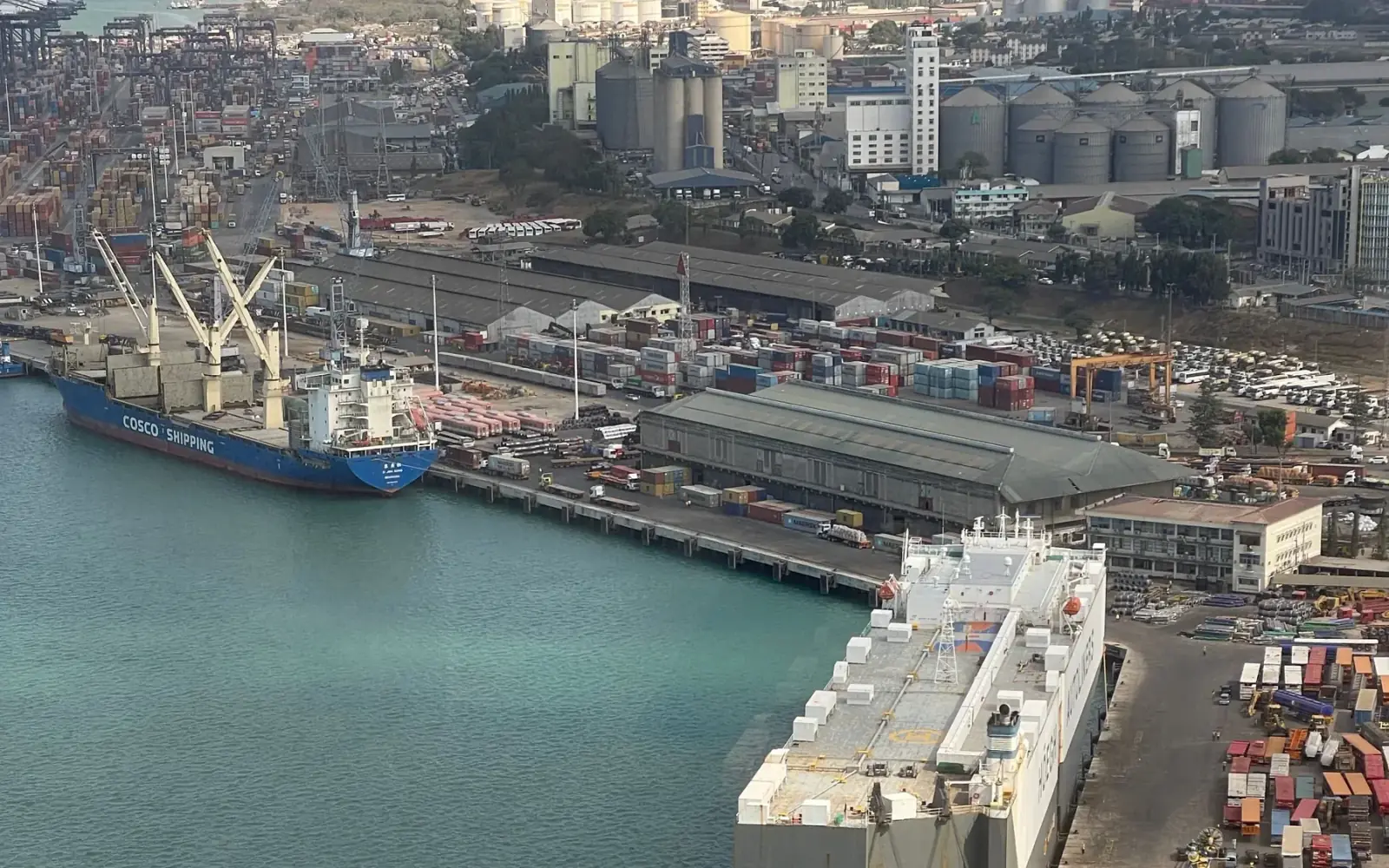
Mombasa's data centre potential rests on a single, powerful advantage: it is where the submarine cables land. SEACOM, TEAMS, EASSy, and DARE1 all have their Kenyan landing stations in or near Mombasa. A data centre in Mombasa could connect directly to these cable systems, achieving the lowest possible latency to international traffic, a genuine and measurable advantage for content delivery, financial trading, and any application where every millisecond of latency matters.
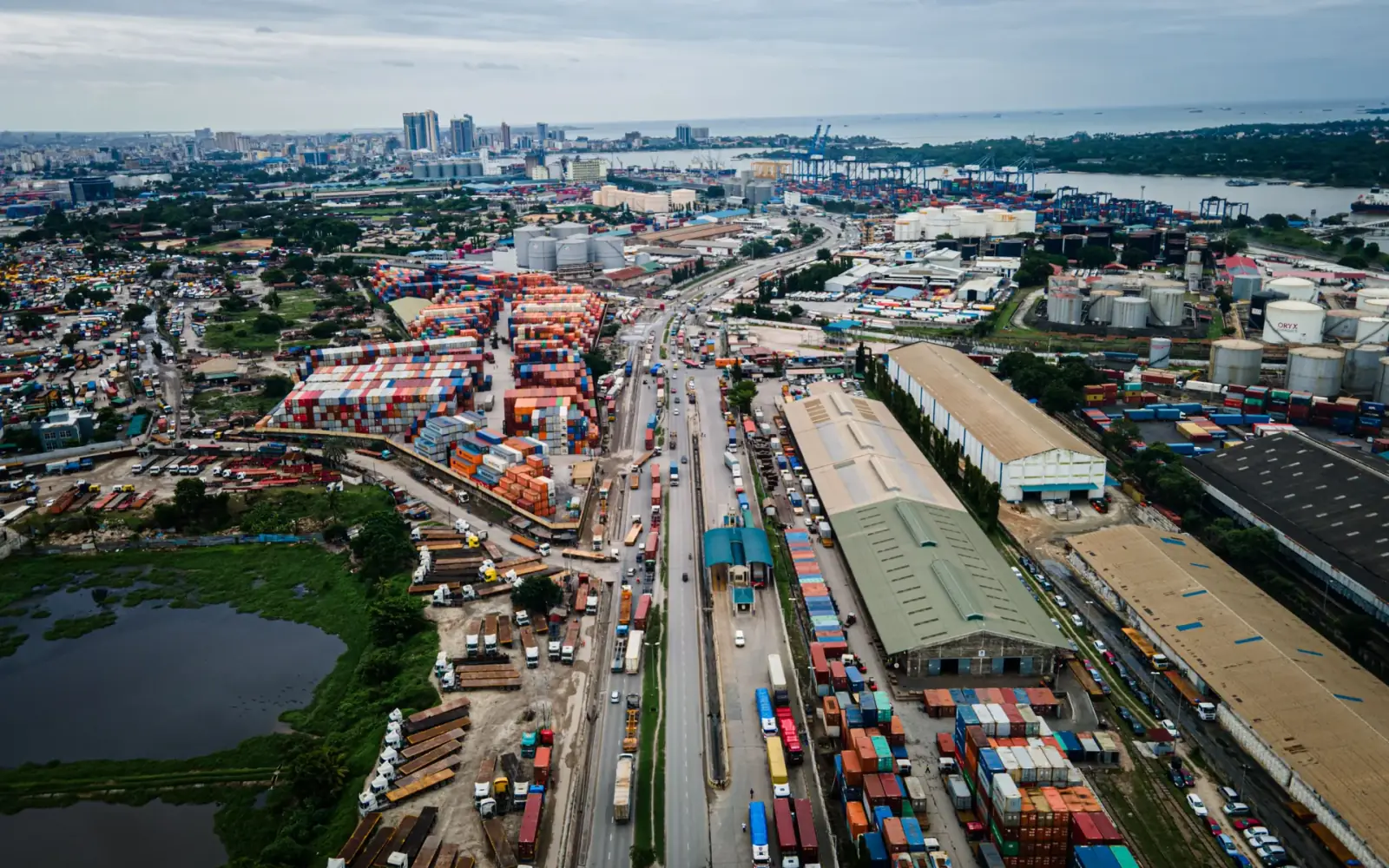
However, Mombasa faces significant challenges as a general-purpose data centre location. The demand side is the most fundamental problem: Mombasa's economy is dominated by tourism, port logistics, and manufacturing, industries that generate less data centre demand than the financial services, technology, and government sectors concentrated in Nairobi. There are simply fewer potential customers in Mombasa who need colocation services.
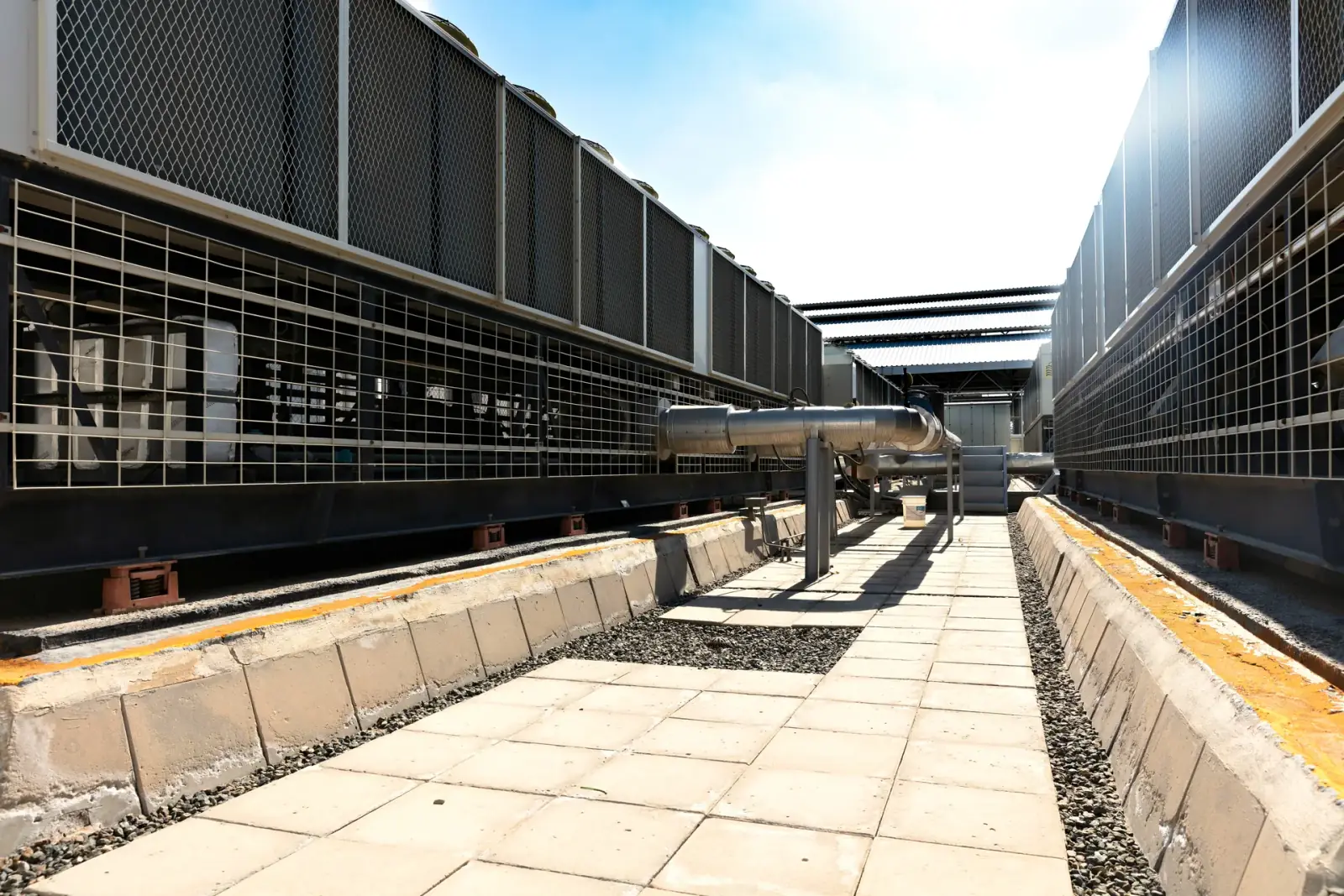
Power reliability in Mombasa, while adequate for most industrial purposes, does not match Nairobi's industrial zones. The coastal climate, while beneficial for natural cooling (Mombasa's ambient temperatures are warm but consistent, and sea breezes can potentially assist cooling), also brings humidity and salt air that increase corrosion risk for equipment. Security concerns, particularly following the 2014 Lamu attacks and periodic travel advisories for coastal Kenya, have made some international investors cautious about committing long-term infrastructure investments in the region.
Mombasa's most realistic data centre role is as a content delivery point, a smaller facility that caches and serves popular content (streaming video, web content, software updates) locally for coastal and northern Tanzanian users, reducing the need for this traffic to travel to Nairobi and back. Several content delivery networks (CDNs) and cloud providers have established caching nodes in Mombasa for precisely this reason, though these are typically small deployments within existing telecom facilities rather than standalone data centres.
Konza Technopolis: The Long-Term Vision
Konza Technopolis, located approximately 60 kilometres south of Nairobi in Machakos County, is Kenya's most ambitious infrastructure project, a planned technology city intended to become "Africa's Silicon Savannah." The project, officially launched in 2008 and subsequently delayed multiple times, envisions a 5,000-acre city with residential areas, a university, research institutions, technology companies, and (critically) data centre infrastructure.
Konza offers several theoretical advantages for data centre development. Land is available and relatively inexpensive compared to Nairobi's congested industrial areas. The city is planned with dedicated power infrastructure, including potentially direct connections to the geothermal generation plants in the Rift Valley. It sits on the Nairobi-Mombasa fibre corridor, ensuring connectivity. And if the city develops as planned, it would generate its own demand from technology companies, research institutions, and government digital services.
The challenge with Konza is timing. Data centres need customers, connectivity, and a skilled workforce from day one, not at some point in the future. As of 2025, Konza's development is well behind the original schedule. While some basic infrastructure (roads, water, power) is in place, the critical mass of technology companies, research institutions, and skilled workers that would justify a data centre investment does not yet exist. Konza may become a viable data centre location in the 2030s, but for current investment decisions, it is a long-term option rather than a practical choice.
Secondary Cities: Kisumu, Nakuru, Eldoret
Kenya's secondary cities have been discussed as potential data centre locations, driven by the concept of edge computing, placing smaller data processing facilities closer to end users to reduce latency. Kisumu, as the largest city in western Kenya and a gateway to the Lake Victoria basin (serving parts of Kenya, Uganda, and Tanzania), is the most frequently mentioned candidate.
The case for Kisumu includes a growing business community, the expansion of fibre connectivity to western Kenya (by Liquid Telecom and the government's NOFBI programme), and the strategic importance of serving western Kenya and cross-border markets. However, the demand for commercial data centre services in Kisumu is currently very small. Most organisations in western Kenya that need data centre services are better served by connecting remotely to Nairobi facilities, where the ecosystem of providers, services, and skilled workers is far richer.
Nakuru and Eldoret face similar demand constraints. Both are growing cities with improving connectivity, but neither has the enterprise base or the critical mass of technology companies that would support a commercial data centre today. Like Konza, these cities may become viable as edge computing grows and as Kenya's digital economy extends beyond Nairobi, but that is a future state, not the current reality.
The Verdict
For any data centre investment decision being made in Kenya today, Nairobi remains the clear choice for the vast majority of use cases. Its combination of customer proximity, connectivity, power reliability, and workforce availability is unmatched by any other Kenyan city. Within Nairobi, the Mombasa Road corridor offers the best combination of existing infrastructure, land availability, and cluster effects.
Mombasa has a niche role for connectivity-optimised facilities, and Konza and secondary cities represent long-term options as the market develops. But for an investor deciding where to put money to work in 2025 or 2026, Nairobi is the answer, and the specific site within Nairobi should be chosen based on fibre route diversity, power feeder reliability, and proximity to the existing data centre cluster.