On 16 September 2026, Reuters reported that the US International Development Finance Corporation (DFC) will invest up to $155 million in WIOCC Group, the pan-African wholesale digital infrastructure firm. The agency called it the largest equity investment in its history, money it says will help build "the next generation of digital infrastructure for Africa's growth" (Reuters, 16 September 2026). WIOCC operates undersea cables, terrestrial fibre networks and, through its OADC division, carrier-neutral data centres.
If you run a website, an office network or a server fleet in Kenya, investor headlines like this can feel distant. They are not. Wholesale capital decides how much international capacity lands on the Kenyan coast, how many carriers you can choose inside a Nairobi data centre, and how much a megabit of transit costs your provider next quarter. This article explains what the deal actually is, who WIOCC is, and what it changes for Kenyan buyers today.
What the US DFC deal actually is
The DFC is the United States government's development finance institution. It backs private companies operating in developing markets with equity, debt and political risk insurance, and it expects its capital back with a return. That commercial discipline matters for how you should read this news: this is not aid, and it is not a subsidy. An investment committee in Washington looked at African wholesale connectivity and concluded it is bankable.
Three details in the announcement deserve attention. First, the structure: this is equity, up to $155 million, not a loan, which means the DFC shares both the risk and the upside of WIOCC's build-out. Second, the scale: Reuters describes it as the DFC's largest ever equity investment (16 September 2026), a benchmark that says as much about the asset class as about WIOCC itself. Third, the phrase "up to": commitments of this size are typically drawn in tranches as milestones are hit, so the money follows delivery, which is exactly how infrastructure finance should work.
There is also precedent. The International Finance Corporation, the World Bank Group's private investment arm, made its own equity investment in WIOCC in September 2022 (IFC, 28 September 2022). Development finance institutions have therefore treated this company as investable infrastructure for four years. The DFC move extends that verdict and widens the pool of public capital behind African digital infrastructure.
Who WIOCC is and why Kenyan networks already touch it
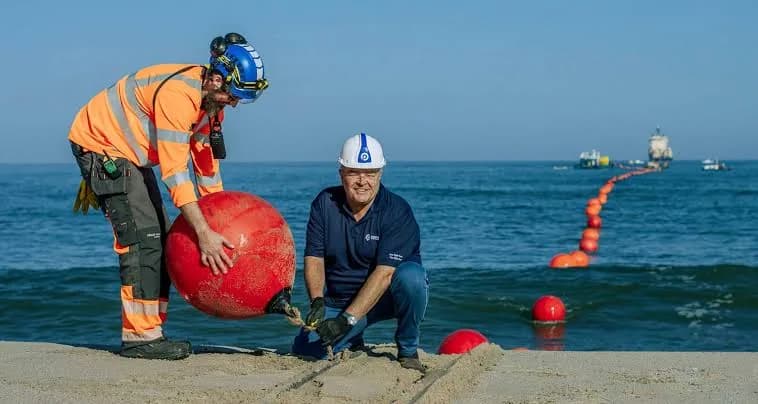
WIOCC is a wholesalers' wholesaler. It does not sell home fibre or mobile bundles; it sells large blocks of capacity to the operators, internet service providers and big enterprises that then serve everyone else. Its asset base includes stakes in subsea cable systems, an open-access terrestrial fibre network, and a data centre division, with more than US$950 million invested across those three layers (Submarine Networks, 4 September 2026).
The data centre arm matters most for this article. Open Access Data Centres (OADC) operates 13 core facilities and more than 30 edge sites, all carrier-neutral, across Nigeria, South Africa and the Democratic Republic of Congo, with direct connections to the Equiano and 2Africa subsea systems (OADC website, fetched 17 September 2026). Carrier-neutral is the key term: the facilities do not favour any single network, which is the same model that made Nairobi's best-connected buildings valuable.
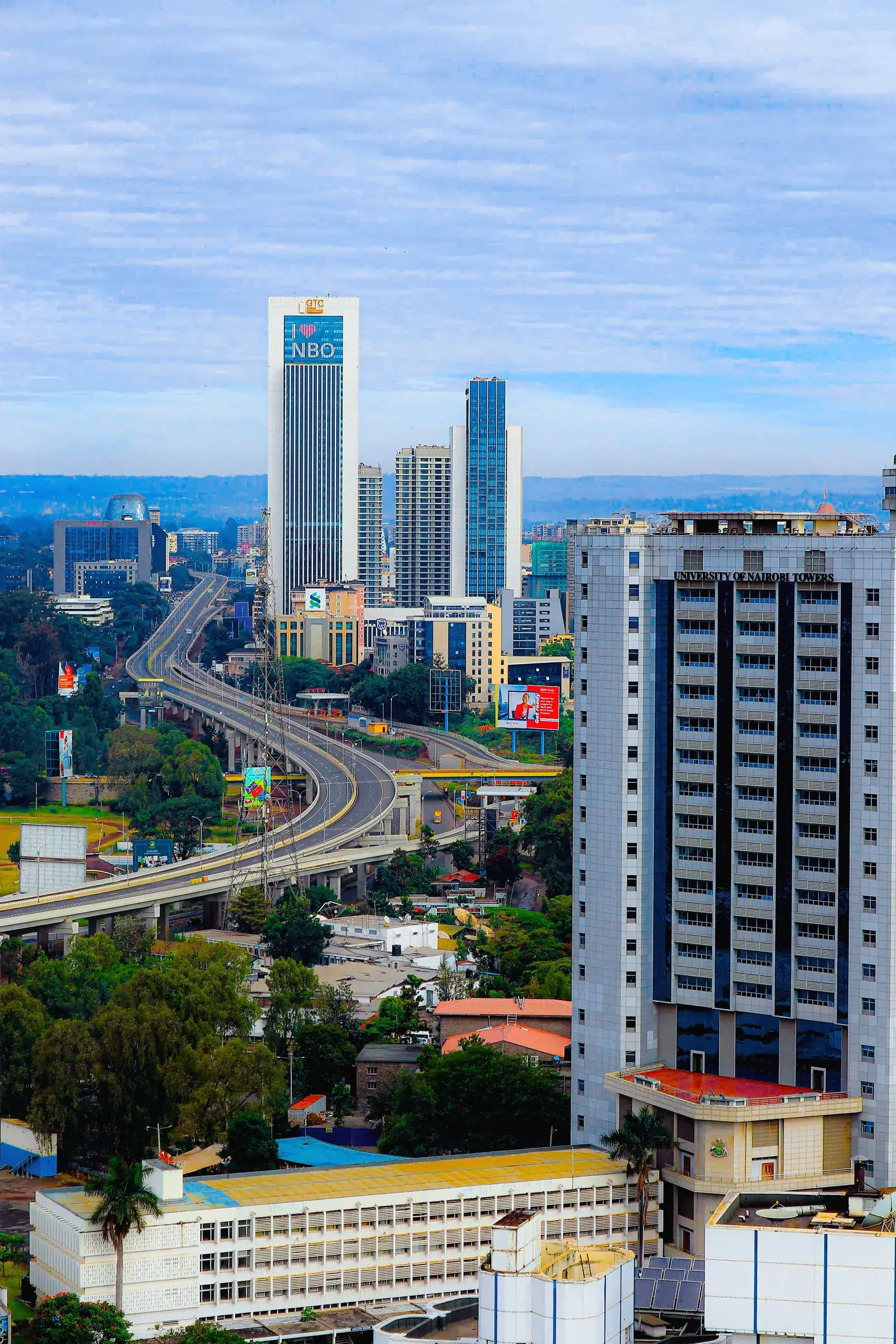
Kenya is already inside WIOCC's map, just not yet as a data centre market. WIOCC is one of the network providers present inside Kenyan carrier-neutral facilities such as Africa Data Centres' NBO1 on Mombasa Road, where tenants pick from multiple carriers rather than accepting whoever owns the building. When a Kenyan business buys connectivity in a facility like that, wholesale operators like WIOCC are often the ones carrying the traffic once it leaves the building. The relationship exists; the announcement scales it.
Six weeks that reframed African digital infrastructure money
The DFC announcement does not stand alone. Read together with the surrounding weeks, a pattern emerges about where institutional capital believes African digital infrastructure returns will come from.
On 13 July 2026, Raxio Group secured up to US$380 million to fund data centre expansion across Africa (Data Centre Magazine, 13 July 2026). On 1 September 2026, WIOCC Group confirmed a $300 million investment from Africa Finance Corporation and Saudi Arabia's Vision Invest, announced at the LEAP conference in Riyadh, earmarked for three priorities: accelerating the deployment and consolidation of data centre capacity, extending open-access terrestrial fibre, and expanding subsea infrastructure (WIOCC Group, 3 September 2026). Two weeks later, the DFC committed its up-to-$155 million equity stake (Reuters, 16 September 2026). That is more than $800 million announced for African digital infrastructure in roughly nine weeks.
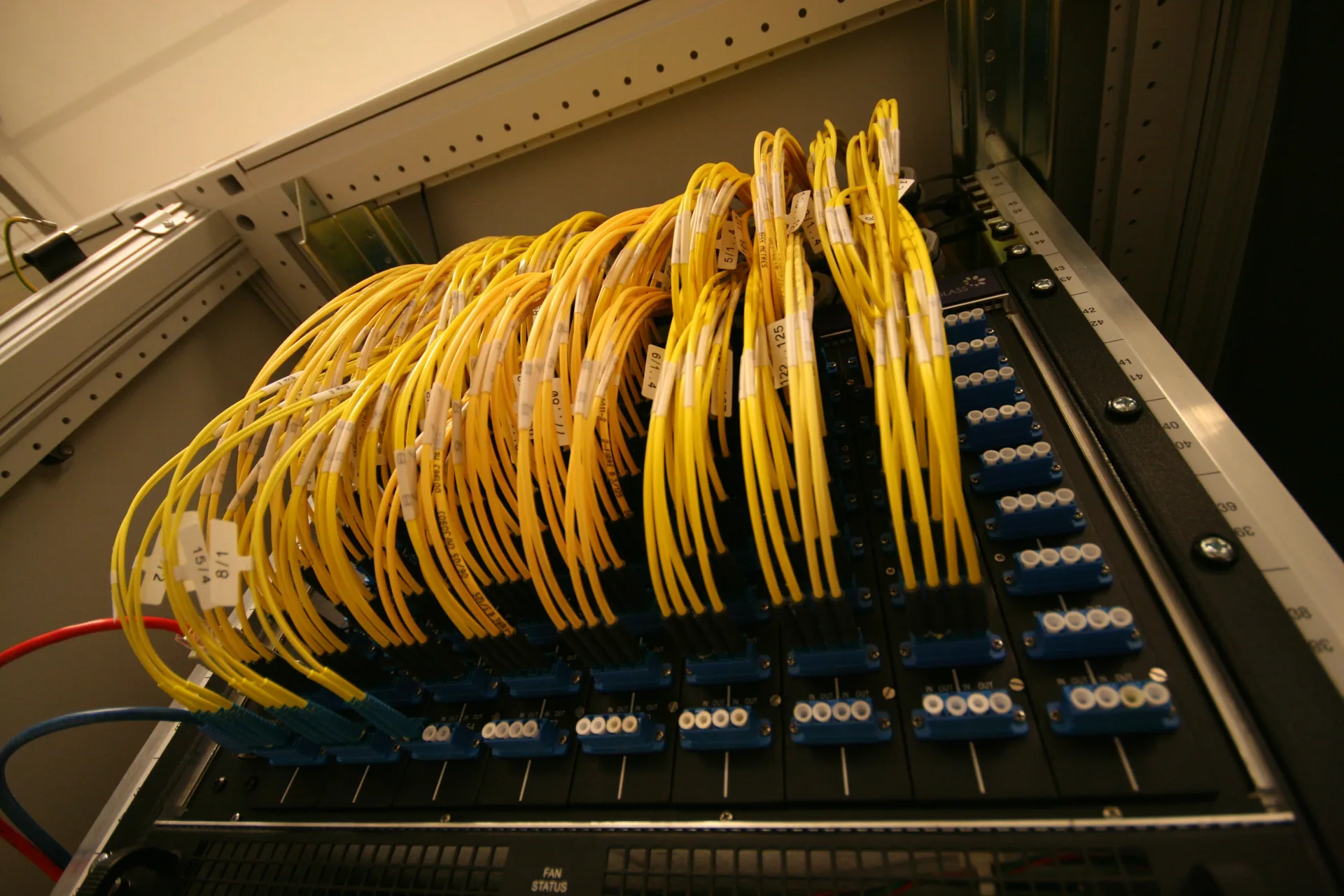
The demand side explains the timing. The Africa Data Centres Association counts 360 megawatts of active capacity on the continent, with 238 megawatts under construction and 656 megawatts planned (ADCA economic report, 16 February 2026). Every megawatt under construction needs upstream capacity: subsea bandwidth to the coast, open-access fibre inland, and neutral halls where networks can meet. The investors announcing money since July are buying the picks and shovels of that build-out, not the consumer brands on top of it.
Notice, too, what kind of infrastructure is attracting the capital. All three deals back multi-market, open-access, wholesale-first models rather than single-country consumer plays. Our earlier analysis of why Africa's fibre boom needs a commercial operating model argued the same point from the operator side: the constraint is no longer building the network, it is running it as a business many partners can buy from. Institutional investors appear to have reached the same conclusion.
What the WIOCC investment means for Kenya
Kenya sits downstream of all of this in a good position, and it is worth being precise about what changes and what does not.
More upstream capacity pressure, and that is a price story. Seven live submarine cable systems make landfall near Mombasa (SEACOM, TEAMS, EASSy, LION2, DARE1, PEACE and 2Africa), with Africa-1 landed at Mombasa and Meta's Daraja system in development, the fullest cable portfolio in East Africa. Capital that expands subsea systems and open-access terrestrial fibre adds supply on exactly the routes Kenya depends on. Historically, every major capacity expansion on Kenyan routes has pushed wholesale transit prices down; more money upstream keeps that pressure on.
More carrier choice inside Kenyan buildings. WIOCC already competes for wholesale traffic inside Nairobi's carrier-neutral facilities. A better capitalised WIOCC can bid more aggressively for that role, and its open-access fibre gives Kenyan ISPs and enterprises an alternative to incumbent backhaul routes. For a tenant, that shows up as more quotes to compare at cross-connect time, which is precisely what carrier-neutral buildings are supposed to deliver.
A credible candidate for Kenya's edge data centre map. OADC's playbook is core-and-edge: big facilities in commercial hubs, small nodes deeper in the network. That playbook runs today in Nigeria, South Africa and the DRC (OADC website, fetched 17 September 2026). Kenya, with the region's densest facility cluster and its busiest cable landings, is an obvious future market. The honest caveat: no OADC facility in Kenya has been announced as of 17 September 2026, so treat this as a watch item, not a fact.
Validation that makes Kenya's own fundraise easier. When the US government's development finance institution makes its largest ever equity bet on African digital infrastructure, every Kenyan project pitching for capital gains a reference point. The DFC's diligence becomes an argument Kenyan developers can cite: this asset class passes institutional scrutiny at the highest level.
Announced is still not open. We made this point in our comparison of Raxio and Africa Data Centres in Kenya: a market is built out of commissioned facilities, not press releases. The same discipline applies to this deal. The number to watch is not $155 million; it is how much capacity actually goes live, where, and when.
What Kenyan buyers should watch next
The practical moves are simple. First, track wholesale transit quotes over the next two to three quarters; capital announced in September shows up in price lists slowly, but the direction should be down. Second, when you evaluate facilities, ask which carriers and wholesale providers are physically present, and compare at least two quotes; our Nairobi colocation buyer's guide lists the questions in order. Third, watch for any OADC announcement in Kenya specifically; if the edge playbook lands here, it will most likely appear near existing interconnection hubs rather than in greenfield suburbs. Fourth, treat every funding headline as a prompt to check what has actually opened, which is the habit this site is built on.
None of this requires action today for most Kenyan businesses. What it changes is your negotiating position over the next year: more suppliers chasing your traffic, more capacity chasing your building, and more reasons for providers to compete on service rather than scarcity. Buyers who keep receipts and ask dated questions will capture most of that value.
Frequently asked questions
What is the US DFC?
The US International Development Finance Corporation is the United States government's development finance institution. It invests in private companies working in developing markets, using equity, loans and political risk insurance. Unlike aid, DFC capital is expected to be repaid with a return, which is why an equity commitment of up to $155 million in WIOCC signals that the agency believes African digital infrastructure is a commercially sound investment (Reuters, 16 September 2026).
Is the $155 million a grant or a loan?
Neither. It is structured as an equity investment of up to $155 million, and Reuters describes it as the DFC's largest ever equity investment (16 September 2026). The phrase up to matters: commitments of this type are usually drawn in tranches as projects hit milestones, so the full amount lands only as the funded infrastructure is actually built.
Does WIOCC own data centres in Kenya?
Not as of 17 September 2026. WIOCC's data centre arm, Open Access Data Centres (OADC), lists 13 core and more than 30 edge facilities across Nigeria, South Africa and the Democratic Republic of Congo, with no announced Kenyan facility (OADC website, fetched 17 September 2026). WIOCC's carrier services do reach Kenyan facilities: it is among the network providers present inside carrier-neutral sites such as Africa Data Centres' NBO1 in Nairobi.
What will the WIOCC investment fund?
WIOCC's stated priorities for its current funding round are accelerating the deployment and consolidation of data centre capacity, extending open-access terrestrial fibre, and expanding subsea cable infrastructure (WIOCC Group, 3 September 2026). The DFC equity sits on top of the $300 million committed by Africa Finance Corporation and Vision Invest on 1 September 2026, so the group enters its next phase with up to $455 million of fresh institutional capital.
Will this lower internet prices in Kenya?
It pushes in that direction, but it is not a price cut. Wholesale capacity competition upstream of Kenya has historically compressed transit prices, and more capital for subsea and open-access fibre adds supply. Kenyan buyers see the effect indirectly: more carrier choices inside data centres, keener wholesale quotes and faster route diversity. The effect plays out over quarters and years, not on announcement day.
How is the DFC deal different from the $300 million deal?
The $300 million came from two commercial and institutional investors, Africa Finance Corporation and Saudi Arabia's Vision Invest, and was announced at LEAP 2026 in Riyadh on 1 September 2026 (WIOCC Group, 3 September 2026). The DFC money is a United States government agency making its largest ever equity investment, up to $155 million (Reuters, 16 September 2026). Same company, same build plan, different kinds of investors, which is itself the story: development finance is now treating African digital infrastructure as core allocation.