
Ask someone to picture a data centre attack and they usually picture a hoodie and a keyboard. Kenya's documented record tells a broader story. The incidents that have actually hurt Kenyan institutions include a political hacktivist flood, a defaced presidential website with a Bitcoin ransom note, an iris-scanning operation that broke data protection law, and a registry leak touching two million companies. A data centre in Kenya has to defend against all of it, at once, in layers.
This article pairs each attack type with its Kenyan example and its working defence. It is the threat-side companion to our general security explainer, and it sticks to documented cases; where an example comes from government or media reporting rather than a data centre specifically, we say so.
Threat one: DDoS, the flood that takes the door offline
A distributed denial of service attack does not break in; it crowds the entrance. Thousands of machines, often hijacked, send junk traffic until legitimate users cannot get through. Kenya lived this at national scale in late July 2023, when the group Anonymous Sudan flooded government platforms and degraded the eCitizen portal, the gateway to more than 5,000 public services (BBC, 28 July 2023). People could not buy electricity tokens or reach government payment services during the disruption.
The defence. You cannot out-muscle a flood at your own door, so the filtering happens upstream: internet service providers and scrubbing services drop the junk before it reaches the facility, content delivery networks absorb attack traffic at the edge, and rate limiting protects whatever survives. Facilities that connect through multiple upstreams and buy DDoS protection as a service recover in minutes; portals that rely on one pipe learn in public. The eCitizen experience is the local case study in why availability architecture and security architecture are the same discipline.
Threat two: defacement and ransom, the attack meant to be seen
Some attackers do not want your data; they want your homepage. On 18 July 2026, hackers breached president.go.ke, replaced its content with an anti-government message, and demanded five Bitcoin, roughly $320,000 (Anadolu Agency, 18 July 2026). The site was restored within about two days and the ransom was not paid, and Kenya opened an investigation into how a flagship web property was compromised at all (The Record, 21 July 2026). The technique behind it is usually mundane: an unpatched content management system, a weak credential, or an exposed admin panel.
The defence. Patching discipline, a web application firewall in front of public sites, separating public web servers from internal systems, and keeping clean offline backups so restoration is a restore, not a negotiation. The presidency's case ended the way a well-rehearsed one should: offline, cleaned, restored, investigated. The embarrassment was temporary; the backup discipline is what made it temporary.
Threat three: data harvesting that breaks the law before it breaks anything
Not every data disaster is a hack. In August 2023, WorldCoin was collecting Kenyans' iris scans and personal data in exchange for cryptocurrency tokens, a mass collection exercise that ran until the Office of the Data Protection Commissioner investigated it on 2 August and suspended operations on 3 August 2023 (Data Guidance, 1 August 2023). For data centre operators the lesson is uncomfortable: a facility can be perfectly secure and still host a compliance catastrophe, because the tenant controls what the tenant collects.
The defence. Contractual data processing terms, tenant due diligence, and knowing which facilities hold personal data subject to the Data Protection Act 2019. Since the ODPC issued its first penalty notices in September 2023 and can fine up to five million shillings or one percent of turnover, compliance review is now part of commercial risk, not paperwork. Colocation providers that can show clean data governance increasingly win the regulated workloads, banks and government, that fund the best halls.
Threat four: ransomware and the quiet encryption of everything
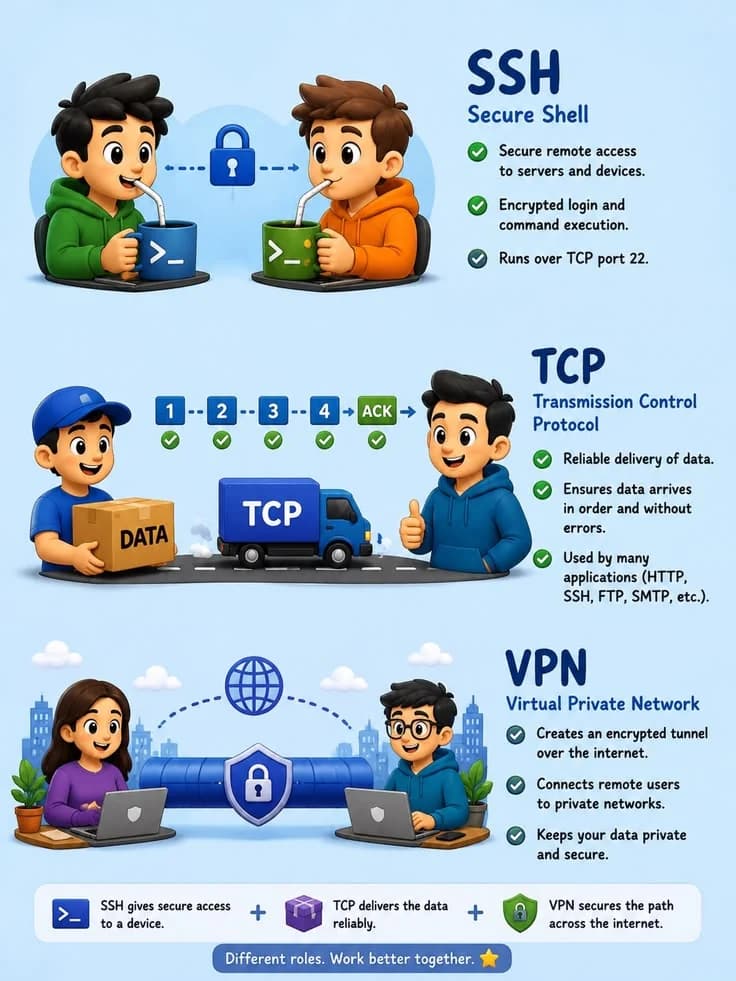
Kenya's public record has fewer named ransomware cases than its banks' risk reports imply, but the pattern is African and global at once: a phishing email, one stolen VPN session, days of quiet lateral movement, then encrypted systems and a ransom note. The defences are equally well rehearsed.
The defence. Multi-factor authentication on every remote access path, network segmentation so a compromised laptop cannot reach the management plane, tested offline backups, and an incident response plan with phone numbers in it. The unglamorous truth is that ransomware resilience is mostly hygiene: the organisations that recover in hours did the boring things months earlier, and those that pay ransoms usually still have to restore from backups anyway.
Threat five: the insider and the human layer
The 2025 Business Registration Service breach, which exposed records connected to roughly two million companies including ownership and beneficial owner details (Nation Africa, 1 February 2025), is a reminder that registries and databases are intelligence targets. Not every exposure begins as an outside intrusion: misconfigured access, over-privileged accounts and social engineering move data out the side door, and insiders know where the cameras are not.
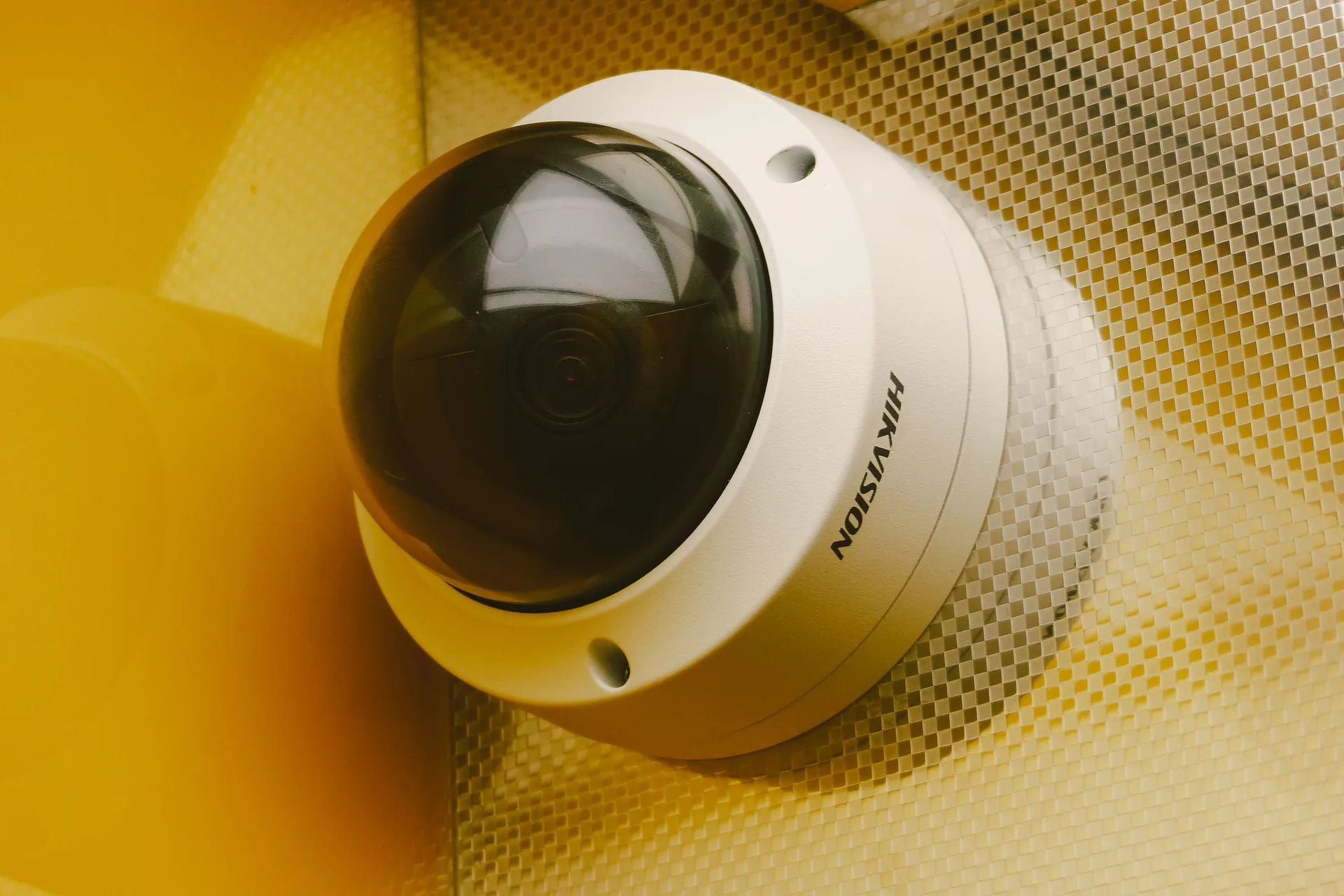
The defence. Least privilege, so accounts hold only the access a role needs; logging that answers who touched what; separation of duties for sensitive operations; and background-checked, trained staff at every level of the facility. Physical insiders matter too, which is why Tier III facilities log every entry, escort visitors, and camera every aisle. Security awareness training sounds soft until you price one leaked database.
Threat six: physical intrusion, the oldest attack there is
Everything above can be undone by one person with a screwdriver and a bad plan. Kenyan facilities built to international standards defend in depth: perimeter fencing and vehicle controls, guards, biometric readers, mantrap doors that admit one person at a time, CCTV coverage with retention, rack-level locks, and disposal rules for decommissioned drives. Kenya's threat environment, including its history of sophisticated social engineering, makes the physical layer a real control rather than a checkbox.
The defence. Layers, again, because the goal is not one perfect wall but multiple delays and records: delay at the perimeter, detect at the doors, record everywhere, and audit the logs. Physical security done well also produces evidence, which matters under the Computer Misuse and Cybercrimes Act 2018, where a prosecution needs proof of unauthorised access. The full layer-by-layer breakdown lives in our physical security in Kenyan data centres guide.
Putting the layers together
No single control stops six threat classes; the design goal is that every attack path crosses several controls, any one of which can catch it. In practice, a well-run Kenyan facility looks like this: upstream DDoS filtering and a hardened edge for the flood risk; patched, firewalled, segmented systems with multi-factor access for the ransomware and defacement risk; contracts and compliance review for the harvesting risk; least privilege and logging for the insider; and layered physical controls with full audit trails for everything that walks.
The KE-CIRT/CC numbers put the scale in perspective: over 840 million detected threat events in a single quarter of 2024. Being attacked constantly is the baseline condition of operating in Kenya, the same as everywhere else. The facilities that survive it are not the ones that bought the most gear; they are the ones that layered the controls, rehearsed the response, and kept records good enough to learn from when, not if, something gets through.