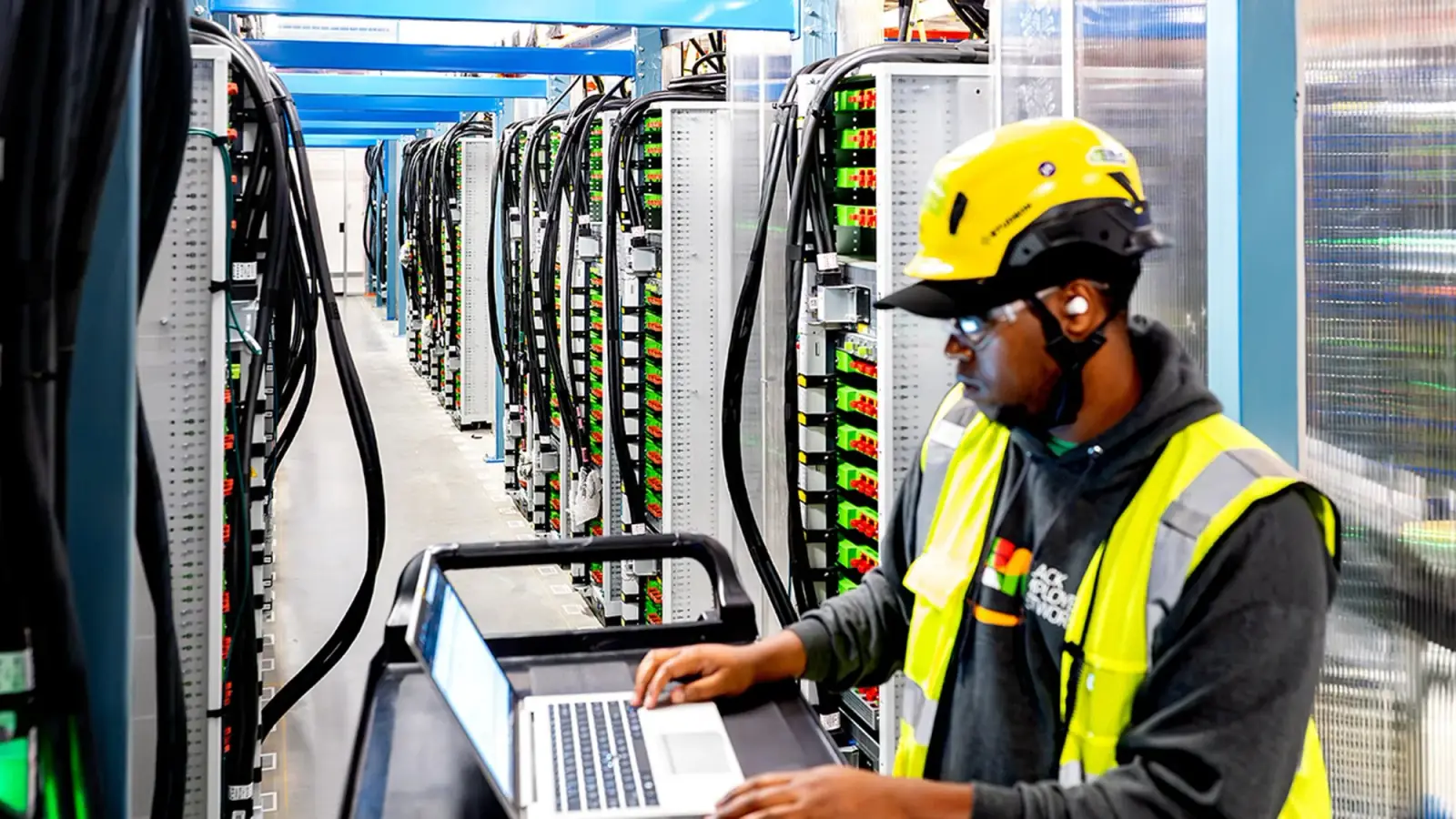
When you hear that a data centre is "Tier III certified," what does that actually mean for the servers inside it? The tier rating system, developed and administered by the Uptime Institute, is the global standard for classifying data centre reliability. It defines four levels of infrastructure redundancy, each guaranteeing a specific amount of annual uptime. Understanding these tiers is essential for anyone evaluating where to host their digital infrastructure, and for anyone considering a career in data centres.
The tier system answers one fundamental question: if something breaks, what happens to the servers? The answer ranges from "everything goes down" at Tier I to "nothing happens" at Tier IV. The difference between these extremes is measured in redundant power supplies, backup cooling systems, and the physical paths that connect them.
The Four Tiers: What They Guarantee
Tier I, Basic Capacity (99.671% uptime)
A Tier I data centre has a single path for power and cooling, with no redundant components. If the power fails, the servers go down. If the cooling fails, the servers overheat and shut down. There is no backup for anything.
Tier I guarantees 99.671% availability, which translates to approximately 29 hours of downtime per year. That sounds high, but most of this "availability" assumes the facility operates perfectly. In practice, any planned maintenance, component failure, or power blip causes complete downtime.
Tier I facilities are suitable for development environments, testing, or non-critical workloads. They are entirely inadequate for production systems that need to be available 24/7. You will find very few, if any, commercial Tier I data centres in Kenya, the market demands higher reliability.
Tier II, Redundant Components (99.741% uptime)
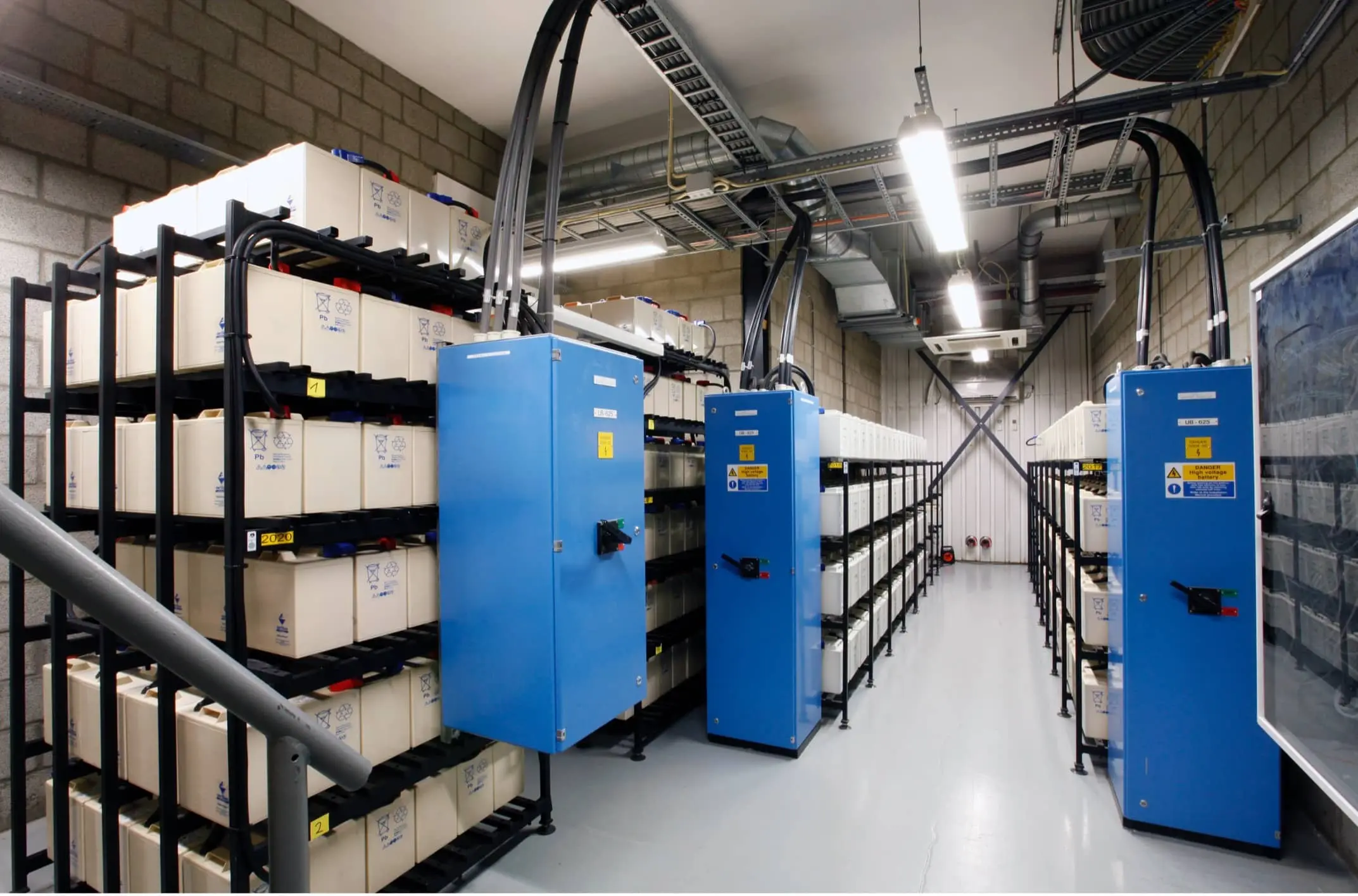
Tier II adds redundant components (typically N+1) for power and cooling. This means there is at least one backup for every critical component. If a UPS unit fails, a second one takes over. If a cooling unit fails, a backup unit activates.
However, Tier II still has a single distribution path. All power and cooling travels through a single set of cables, switches, and panels. This means that while the components have backups, the infrastructure connecting them does not. If a distribution panel fails, or if maintenance requires shutting down the power path, the facility goes down.
Tier II guarantees 99.741% availability, approximately 22.6 hours of downtime per year. This is an improvement over Tier I, but the single distribution path remains a significant vulnerability. Planned maintenance still causes downtime because there is no alternative path to keep servers running while work is performed.
Tier III, Concurrently Maintainable (99.982% uptime)
Tier III is the standard that most commercial data centres target globally, and it is the standard that most Nairobi facilities aspire to. The key innovation at Tier III is multiple, independent distribution paths. Power and cooling are delivered through two completely separate systems, so any single component (or even an entire distribution path) can be taken offline for maintenance without affecting the servers.
In a Tier III facility, you can replace a UPS unit, swap out a cooling module, or perform maintenance on a power distribution panel while the servers keep running normally. This "concurrent maintainability" is what enterprises require: the ability to maintain infrastructure without scheduled downtime.
Tier III guarantees 99.982% availability, no more than 1.6 hours of downtime per year. This is the minimum requirement for most enterprise contracts, banking regulations, and cloud service level agreements. In Kenya, iXAfrica NBOX1, Africa Data Centres' Nairobi facilities, and several other commercial operators design to this standard. The certification history starts earlier than most people think: East Africa Data Centre, now operated by Africa Data Centres, became the first facility in central and eastern Africa to earn Uptime Tier III Design certification in May 2017, and Raxio applies Uptime Tier III certification across its facilities as a group-wide policy.
Tier IV, Fault Tolerant (99.995% uptime)
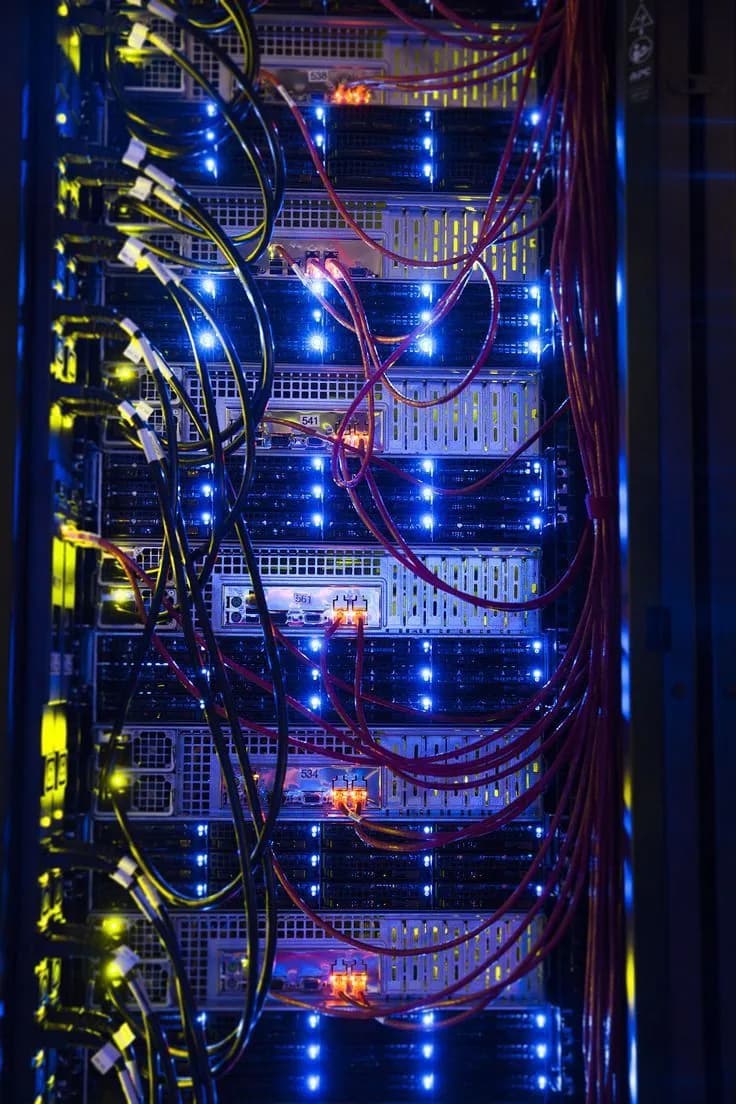
Tier IV is the highest standard. It adds fault tolerance on top of concurrent maintainability. This means the facility can withstand any single failure (component, distribution path, or system) without any impact whatever on the servers. Not even a momentary blip.
Achieving Tier IV requires 2N or greater redundancy: two completely independent, fully-sized systems for power and cooling, with automatic failover that operates within milliseconds. If the primary power path fails, the secondary path takes over so quickly that the servers never notice.
Tier IV guarantees 99.995% availability, no more than 26 minutes of downtime per year. This level of reliability is required for the most critical applications: financial trading platforms, military systems, healthcare life-support systems, and similar workloads where any downtime has immediate, serious consequences.
Very few facilities in Africa have achieved Tier IV certification. The cost premium over Tier III is substantial, typically 25-40% higher construction cost and 15-25% higher operating cost. For most Kenyan use cases, Tier III provides more than adequate reliability.
Does Kenya Have a Tier IV Data Centre?
As of September 2026, no data centre in Kenya has announced Uptime Institute Tier IV certification, and DC254 has found no Kenyan facility at Tier IV on the Uptime Institute's issued-awards register. The strongest independently verified reliability claims in the Kenyan market sit at Tier III: East Africa Data Centre (now operated by Africa Data Centres) earned the first Tier III Design certification in central and eastern Africa in May 2017, Raxio applies Uptime Tier III certification across its facilities, and iXAfrica's NBOX1 campus is designed to Tier III standards.
That is not a gap Kenya needs to apologise for. Tier IV exists for workloads where a momentary blip is unacceptable, such as high-frequency trading platforms or hospital life-support systems, and it carries the cost premium described above. Kenya's rational benchmark is Tier III reliability paired with the country's green, low-cost geothermal grid, which is exactly the combination most local operators sell. If your workload genuinely needs fault tolerance, the practical routes are software-level redundancy spread across two independent Tier III facilities (the approach hyperscalers use globally), or waiting for a verified Tier IV announcement. Whenever any operator claims a tier, ask for the Uptime certificate number and check it against the official register rather than the brochure, and see our Nairobi colocation buyer's guide for the questions that actually matter in a lease.
N+1, 2N, and 2(N+1): The Redundancy Math
The redundancy notation describes how many backup components a system has:
- N is the number of components needed to operate at full capacity. If your servers need 4 UPS units, N = 4.
- N+1 means N components plus one extra backup. If one of the 4 UPS units fails, the 5th takes over. Any single failure is covered.
- 2N means two completely independent sets of N components. You install 8 UPS units in two independent groups of 4. Either group alone can support the full load. This is the minimum for Tier IV.
- 2(N+1) goes even further: two independent sets, each with its own backup. This provides redundancy against multiple simultaneous failures.
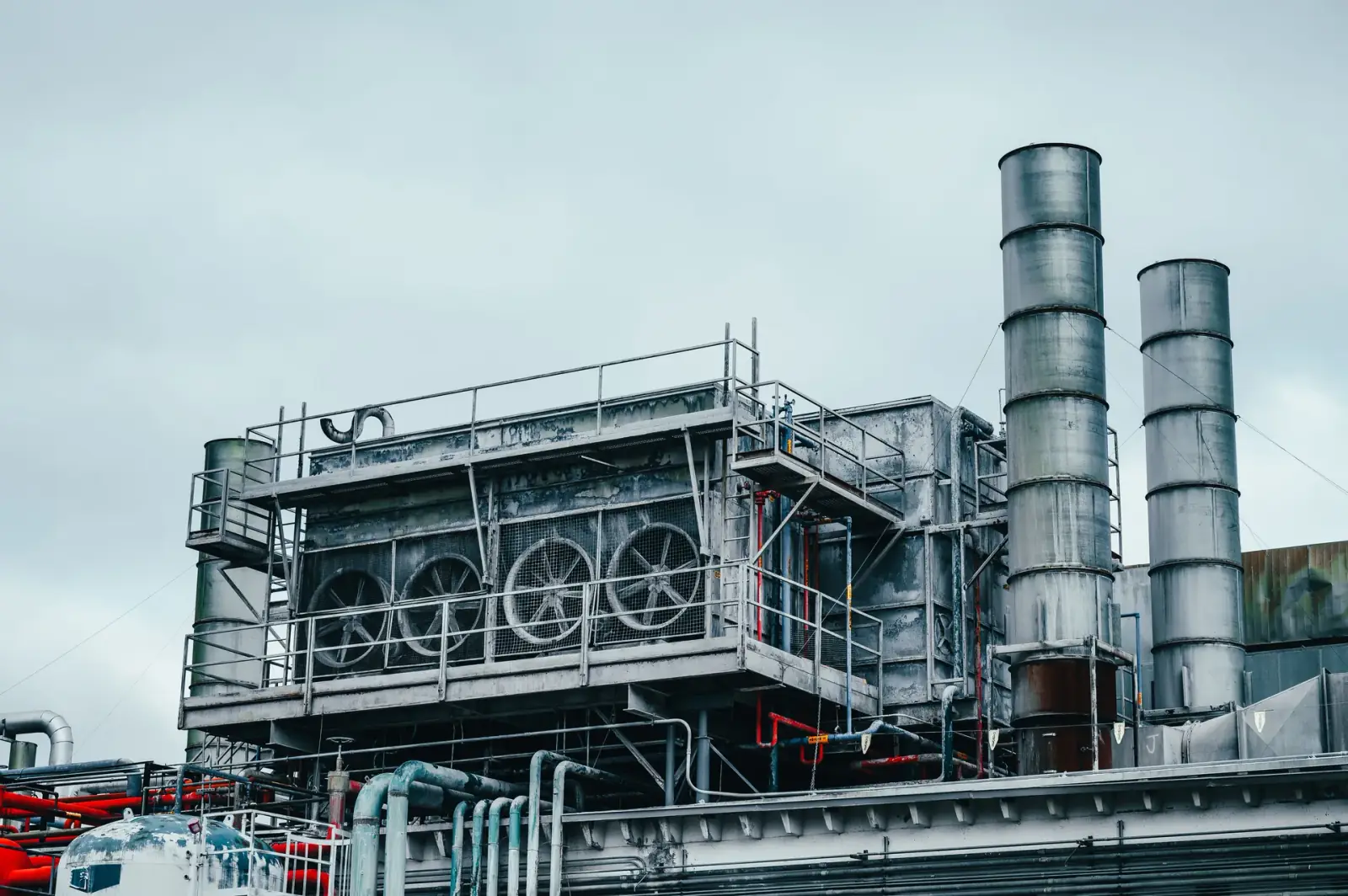
For power, the redundancy applies to every stage: utility feeds, generators, UPS systems, power distribution units, and the cables connecting them all. For cooling, it applies to chillers, pumps, air handling units, and the piping that carries the coolant.
Beyond the Tier: What the Rating Does Not Cover
The Uptime Institute tier rating is specifically about infrastructure reliability, power, cooling, and the physical paths that connect them. It does not cover:
Security. A Tier IV facility can have terrible physical security, and a Tier I facility can have excellent security. Physical security (biometrics, CCTV, mantraps, guards) is evaluated separately.
Network connectivity. The tier rating says nothing about the quality or diversity of internet connectivity. A Tier III facility with a single fibre connection from one ISP is less reliable in practice than a Tier II facility with connections from three different providers.
Software and operations. A perfectly built Tier IV facility run by an incompetent team will have more outages than a Tier II facility with excellent operations and monitoring.
Sustainability. The tier system does not measure energy efficiency, renewable energy use, or carbon footprint. A Tier IV facility running on diesel generators has a larger environmental impact than a Tier II facility on geothermal power.
This matters for Kenya because the country's competitive advantage in data centres is not just about reliability, it is about the combination of reliability with renewable, low-cost geothermal energy. A facility that achieves Tier III reliability while maintaining a PUE of 1.3 on geothermal power is more attractive to many customers than a Tier IV facility running on diesel.
Certification vs. Design: The Trust Gap
Any operator can claim their facility is "Tier III" or "designed to Tier III standards," but only facilities that have been formally certified by the Uptime Institute have been independently verified. The certification process involves a detailed audit of the facility's design documents, followed by an on-site inspection of the physical infrastructure.
Certification is expensive, typically USD 50,000 to 200,000 depending on the facility size and the level of certification sought. For operators in emerging markets like Kenya, this cost can be a significant barrier. As a result, many facilities are "designed to Tier III" meaning they have the right architecture on paper, but they have not been formally certified.
For enterprises evaluating data centre providers, the question to ask is not just "what tier are you?" but "are you Uptime Institute certified?" The difference between a claim and a certification is the difference between marketing and engineering.
What This Means for Kenya's Data Centre Industry
Kenya's data centre market is at a stage where reliability standards matter more than ever. As international cloud providers, AI operators, and enterprise customers evaluate Kenya as a potential regional hub, they will look for facilities that meet or exceed Tier III standards, preferably with formal certification.
The Kenya data centre directory shows which facilities publicly state their tier ratings. As the market matures, expect tier certification to become a standard requirement in enterprise and government procurement, much as it has in South Africa, Nigeria, and Egypt. The operators that invest in certification will have a significant competitive advantage over those that do not.