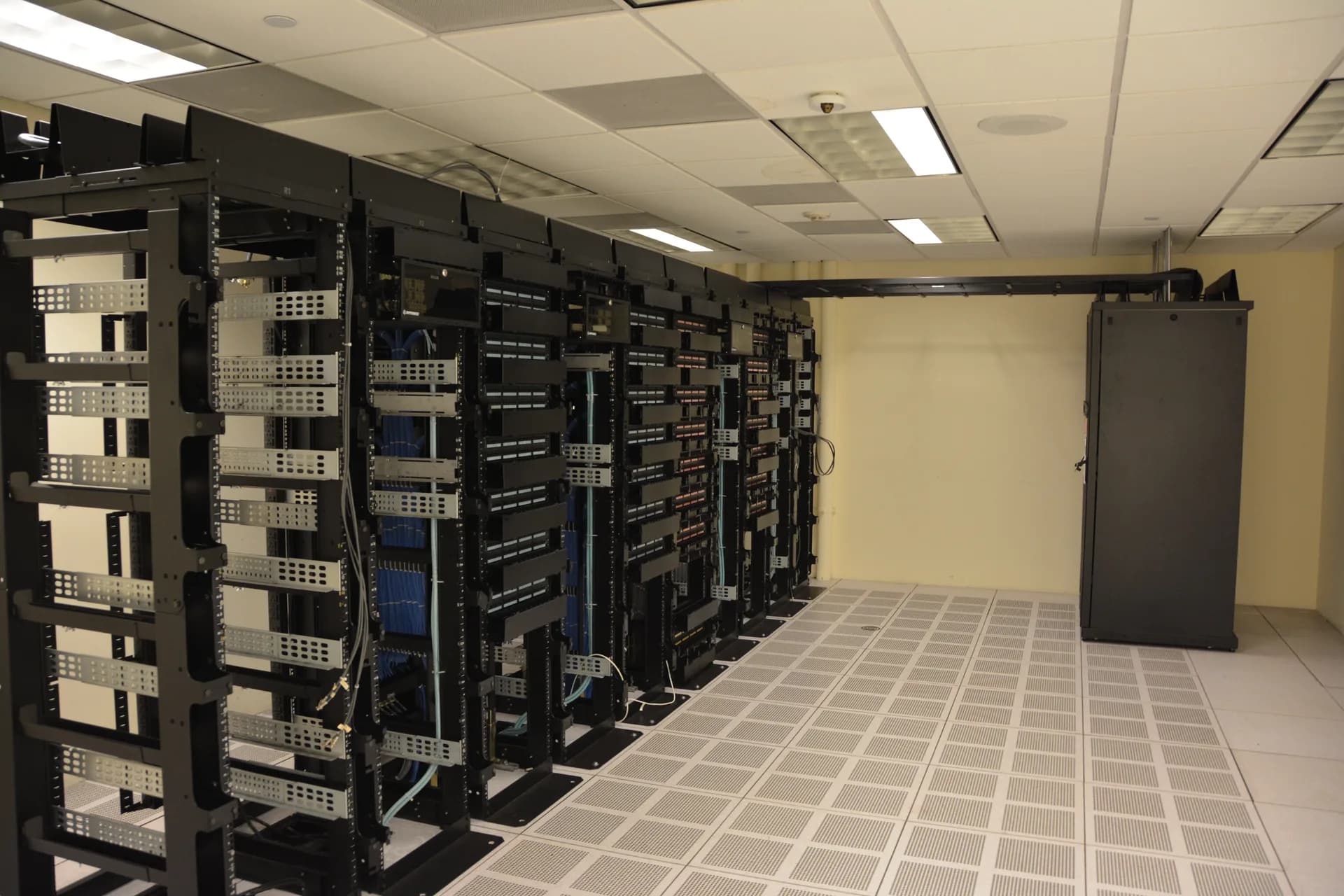
A data centre is a specialised building (or purpose-designed space within a building) that houses thousands of networked computers called servers. These servers process, store, and transmit the data behind every app, website, streaming service, and digital payment system you use. When you send money on M-Pesa, search Google, or stream a YouTube video, a data centre is doing the work. Every single time.
Think of a data centre as a factory for data. Instead of assembling physical products, it processes information at massive scale, 24 hours a day, 365 days a year. The computers inside never sleep. The power never stops. The cooling never turns off. Everything about a data centre is designed for one purpose: to keep servers running reliably and efficiently, no matter what.
The Core Components of a Data Centre
A data centre is far more than a room full of computers. It is an integrated system of interconnected infrastructure, each component depending on the others. Remove any one of these systems and the entire facility stops functioning.
Servers and Storage
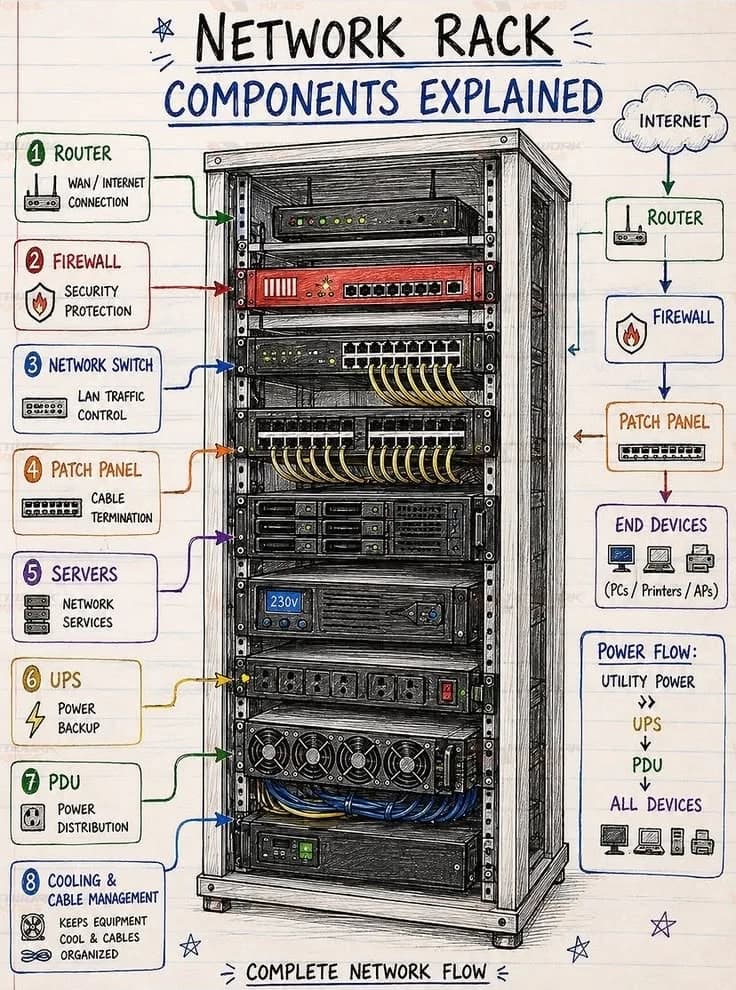
Servers are the heart of any data centre. A single modern rack (the metal frame that holds the equipment) can contain 40 to 80 servers stacked vertically. Each server is essentially a powerful computer without a screen or keyboard, it exists to process requests and store data. Large facilities contain hundreds of racks, meaning tens of thousands of individual servers. Storage systems, often arrays of hard drives or solid-state drives, hold the actual data, databases, files, images, videos, application code.
Power Systems
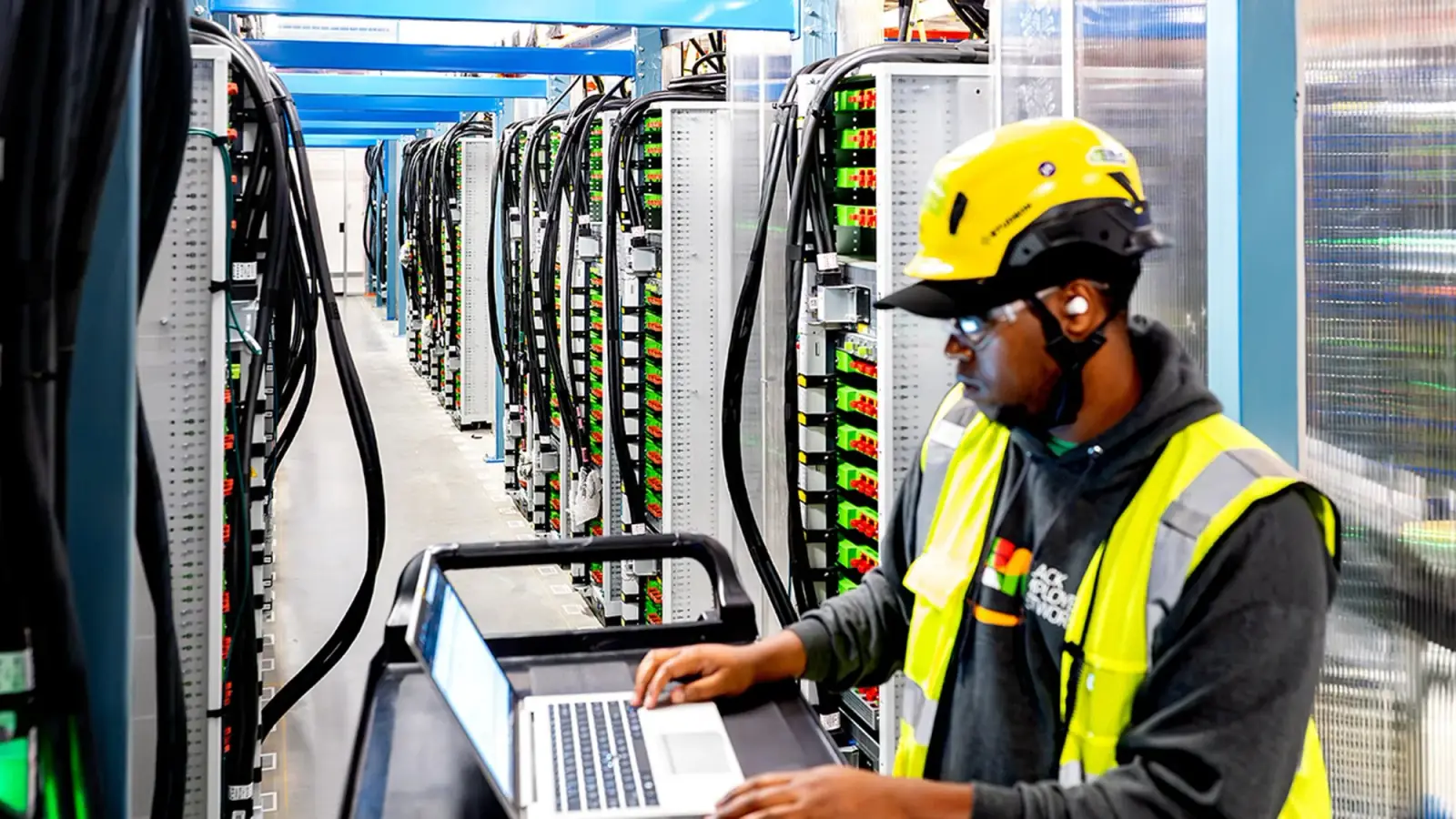
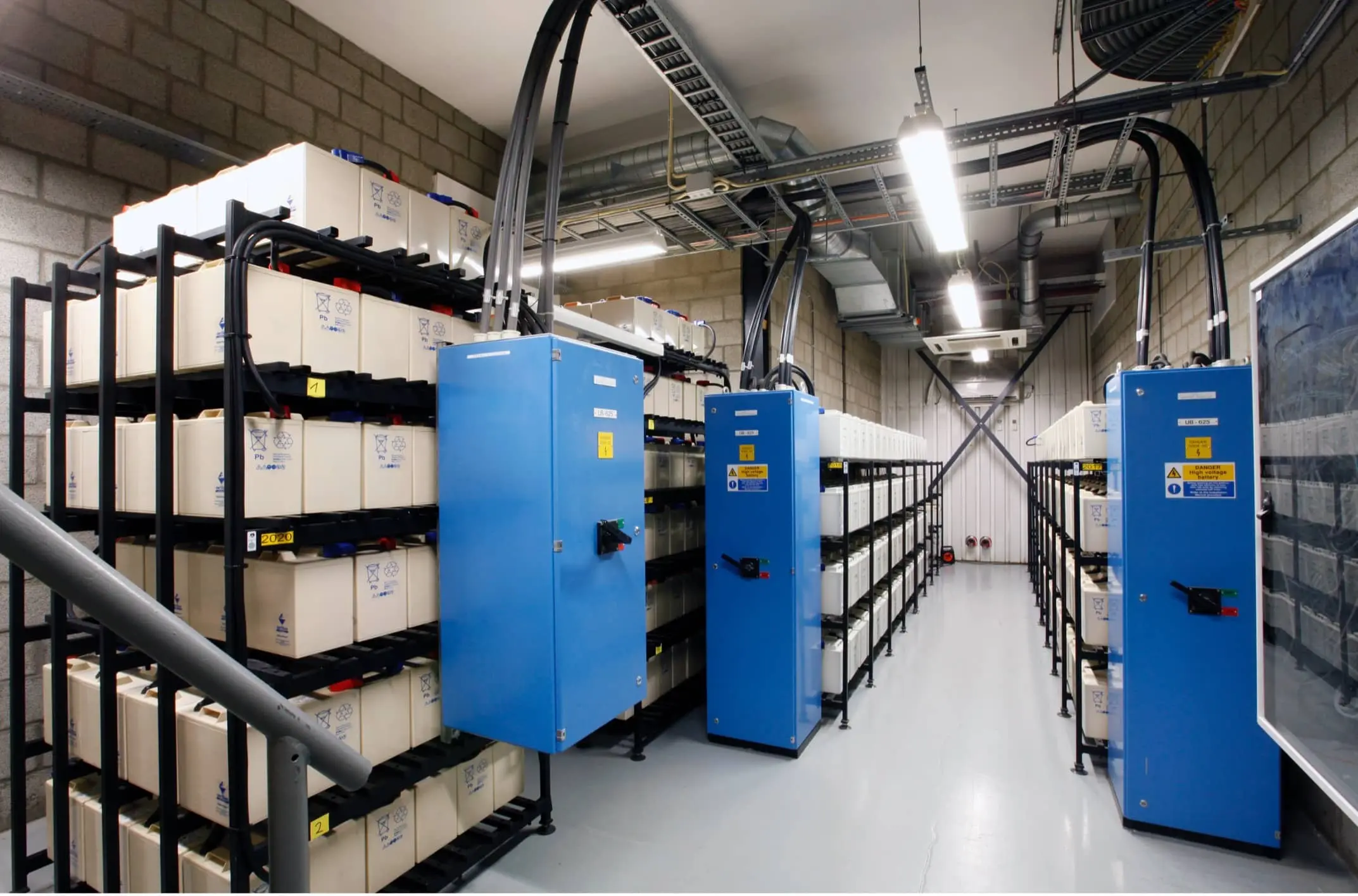
Data centres consume enormous amounts of electricity. A single rack might draw 5 to 10 kilowatts. A facility with 200 racks could need 1 to 2 megawatts just for the servers, before adding cooling and other systems. The power infrastructure includes utility feeds from the national grid, uninterruptible power supplies (UPS) that provide instant backup during outages, diesel generators for extended outages, and power distribution units (PDUs) that deliver clean, stable electricity to every rack.
Cooling Systems
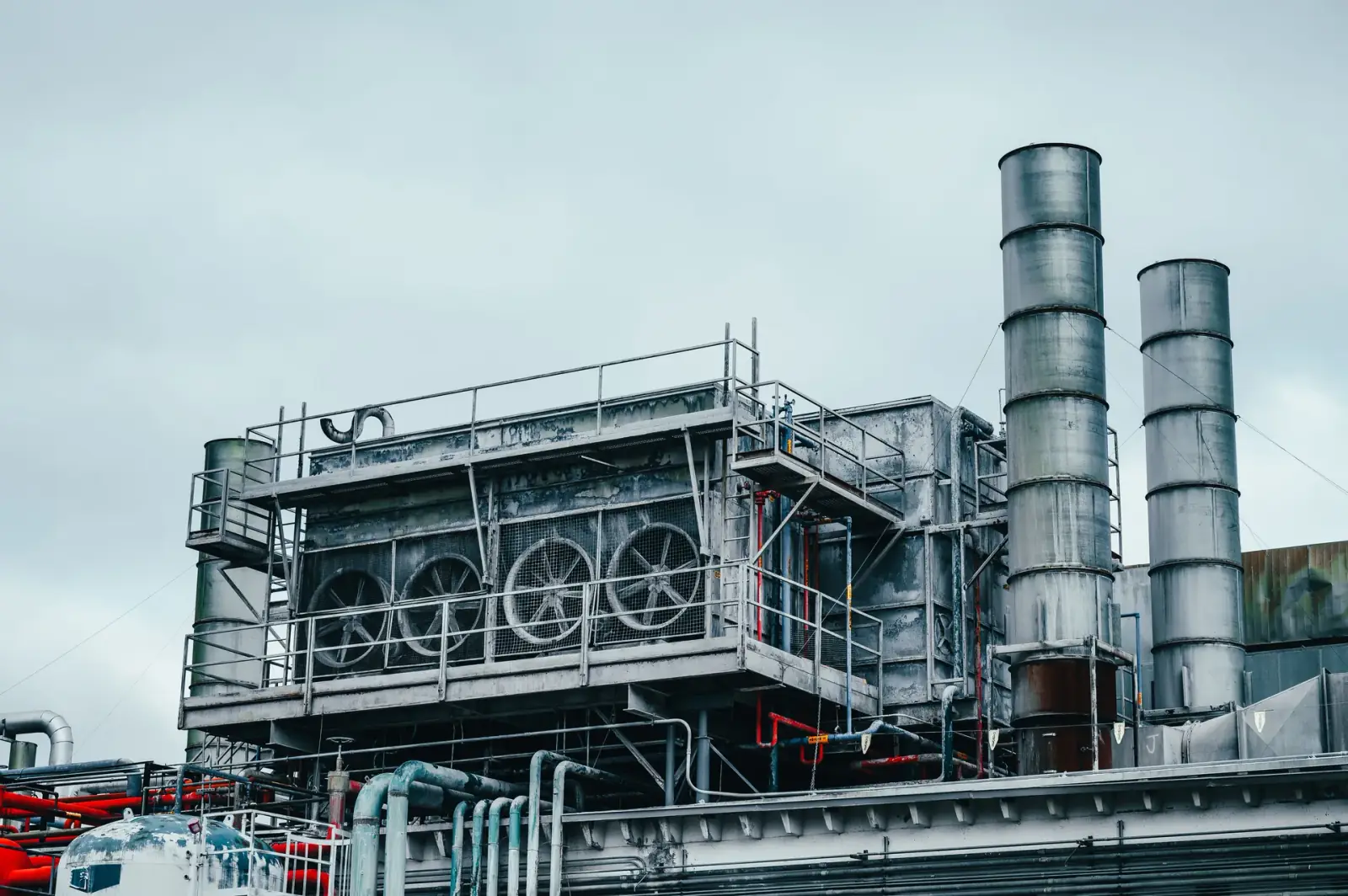
Servers generate heat, lots of it. A rack drawing 10 kilowatts produces as much heat as ten space heaters running continuously. If the temperature inside a server room rises above about 27 degrees Celsius, servers will throttle their performance or shut down entirely to prevent damage. Cooling systems, which can account for up to 40% of a facility's total energy consumption, use precision air conditioning (CRAC units), hot and cold aisle containment, and increasingly, liquid cooling to remove heat from the server environment.
Networking
Data centres need to connect to the outside world. This happens through fibre optic cables (typically multiple redundant links from different providers) that connect to internet exchange points like KIXP in Nairobi, and through submarine cables that link Kenya to the rest of the world. Inside the facility, structured cabling connects every server and storage system to switches and routers that direct traffic between them and to the outside internet.

Security
Physical security is a critical differentiator. Enterprise data centres use multiple layers: perimeter fencing, 24/7 CCTV surveillance, biometric access control (fingerprint, iris, or facial recognition), mantraps (single-person entry portals), and on-site security personnel. The goal is to ensure that only authorised personnel can physically access the servers. This matters because the data stored inside (financial records, personal information, government databases) is valuable and sensitive.

Types of Data Centres
Not all data centres are the same. The industry recognises several distinct types, each serving different purposes and operated by different kinds of organisations.
Enterprise data centres are owned and operated by a single organisation for its own use. Banks, telecom companies, and large government agencies typically run their own enterprise facilities. Safaricom and Telkom Kenya, for example, operate data centres to support their mobile network and enterprise services.
Colocation data centres (often shortened to "colo") are commercial facilities where multiple organisations rent space, from a single rack to a dedicated cage or private suite. The colocation provider supplies the power, cooling, networking, and physical security, while the customer provides and manages their own servers. Africa Data Centres and iXAfrica both operate significant colocation facilities in Nairobi.
Hyperscale data centres are massive facilities, typically 10,000 square metres or more, built by or for the world's largest cloud and internet companies, Google, Microsoft, Amazon Web Services, Meta. These facilities are designed for efficiency at enormous scale, often in locations where power is cheap and climate conditions reduce cooling costs. Kenya's planned iXAfrica NBOX1.1 is East Africa's first facility designed to hyperscale standards.
Edge data centres are smaller facilities located closer to end users, often in cities or neighbourhoods, designed to reduce latency for applications that require real-time response, things like autonomous vehicles, IoT systems, and 5G networks. While still emerging in Africa, edge computing is expected to grow as connectivity improves.
Tier Ratings: Measuring Reliability
The Uptime Institute's Tier classification system is the industry standard for rating data centre reliability. It defines four levels of infrastructure redundancy:
-
Tier I (Basic): No redundancy. A single power or cooling failure can cause downtime. Suitable for small businesses with non-critical workloads.
-
Tier II (Redundant Components): Some redundant components (N+1), but still a single distribution path. Slightly better availability than Tier I.
-
Tier III (Concurrently Maintainable): Redundant power and cooling with multiple distribution paths. Any single component can be removed for maintenance without causing downtime. Guarantees 99.982% availability (maximum 1.6 hours downtime per year). This is the standard most commercial facilities in Nairobi target.
-
Tier IV (Fault Tolerant): Fully redundant with 2(N+1) or greater redundancy. Designed to withstand any single failure without impact. Guarantees 99.995% availability (maximum 26 minutes downtime per year). Only the most critical facilities (military, financial trading, healthcare) justify the cost of Tier IV.
Why Data Centres Matter for Kenya
Kenya's economy is increasingly digital. M-Pesa processes transactions worth billions of shillings daily. Government services are moving online through e-Citizen and Huduma Centres. Banks, fintech companies, and mobile network operators all depend on data centre infrastructure to serve their customers. Without local data centres, every digital transaction in Kenya would have to be processed in a facility in Europe, South Africa, or the Middle East, adding hundreds of milliseconds of latency and significant cost.
Kenya also has a structural advantage. The submarine cables landing in Mombasa give the country direct connectivity to Europe, Asia, and the rest of Africa. This makes Nairobi an attractive location for data centres serving not just Kenya, but the broader East and Central African market of over 300 million people.
The government's National Digital Superhighway Programme, the planned Microsoft-G42 AI data centre (currently stalled over power supply constraints), and the expansion of existing facilities by Africa Data Centres and iXAfrica all point to rapid growth. Understanding Kenya's data centre licensing framework is essential for anyone considering operating or investing in this space.
For those interested in working in this industry, data centre careers in Kenya span roles from facility engineers and network architects to cooling specialists and compliance managers, positions that most Kenyans have never heard of but that are critical to the country's digital future.