
Building a data centre is one of the most capital-intensive infrastructure investments possible in Kenya's technology sector. A small colocation facility requires hundreds of millions of shillings in upfront capital, takes 18-36 months from concept to operational, and generates returns over a 15-25 year asset life. It is not a startup in the traditional sense, it is an infrastructure play that requires patience, deep pockets, and a clear understanding of the market.
This guide is for investors, entrepreneurs, and organisations considering entering the Kenyan data centre market. It covers the investment requirements, the regulatory steps, the market dynamics, and the strategic decisions that determine whether a new data centre succeeds or fails.
Understanding the Market Opportunity
Kenya's data centre market, as detailed in our market outlook analysis, is growing at 15-20% annually and is projected to reach $400-500 million by 2030. The current supply of approximately 15 megawatts of IT power capacity is expected to need 25-30 megawatts by 2030, creating a gap that new entrants can fill.
But market growth alone does not guarantee success for a new entrant. The existing operators (iXAfrica, Africa Data Centres, and Safaricom) have established customer relationships, brand recognition, and the operational expertise that comes from running facilities in Kenya. A new entrant must offer something they do not: a different customer segment, a different location, a different technology approach, or a different pricing model.
Capital Requirements
Construction Costs
The cost of building a data centre in Kenya varies depending on the size, tier rating, and specifications. As a rough guide, construction costs (excluding land) range from KES 30,000-60,000 per square metre for the building shell, and KES 100,000-200,000 per square metre when fully fitted out with power, cooling, fire suppression, and security systems.
For a typical small colocation facility of 500-800 square metres of white space (enough for 100-200 racks), the total construction cost is approximately KES 300-600 million. For a larger facility of 1,500-2,500 square metres (enough for 300-600 racks), the cost rises to KES 800 million to 2 billion.
Power Infrastructure
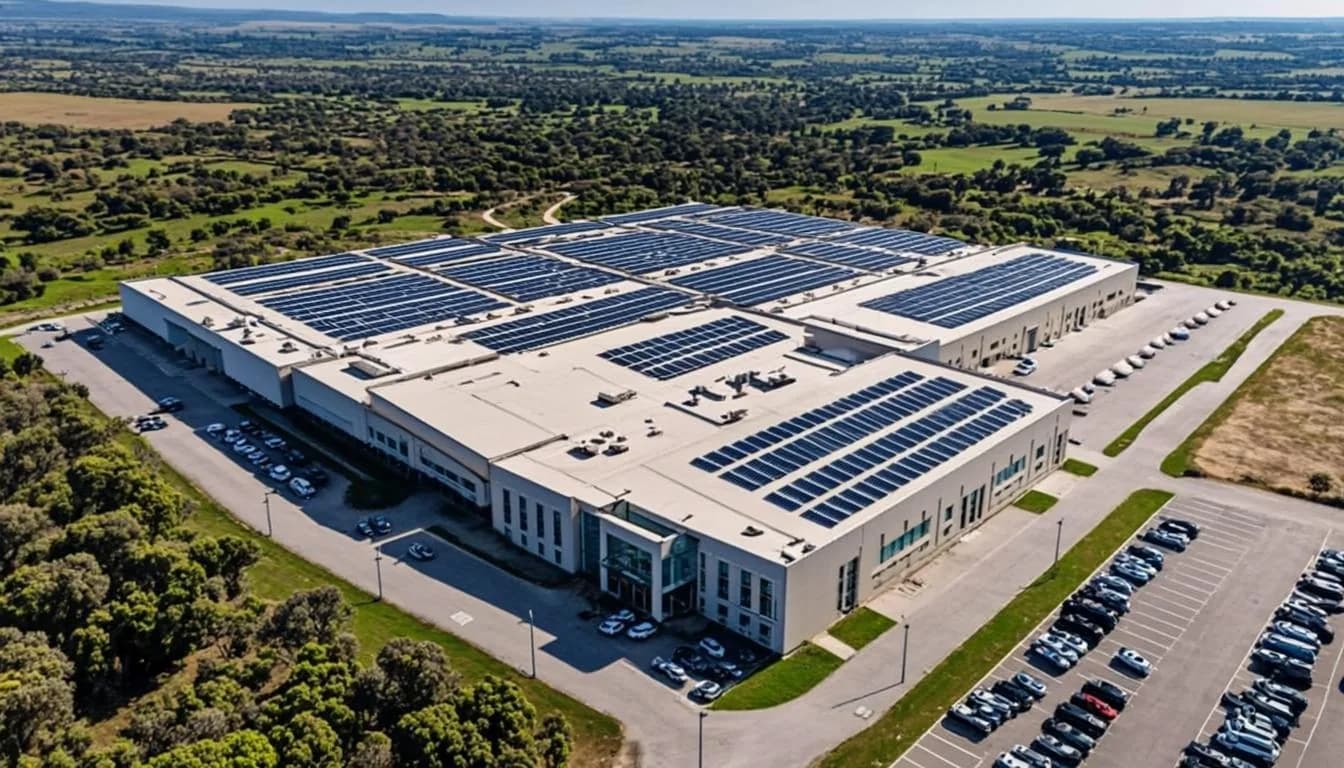
Power infrastructure typically accounts for 30-40% of total construction costs. This includes the high-voltage connection from Kenya Power (which the operator must pay for), transformers, UPS systems, diesel generators, fuel storage tanks, and the power distribution system (switchgear, PDUs, and cabling). A 2MW facility with N+1 generator redundancy might spend KES 150-300 million on power infrastructure alone.
Cooling Infrastructure
Cooling infrastructure accounts for 15-20% of construction costs. This includes precision air conditioning units, ductwork, containment systems, and the building management system that controls temperature and humidity. Cooling costs are lower in Nairobi than in hotter climates (thanks to the moderate ambient temperature and altitude), which is a cost advantage for Kenyan facilities.
Land
Land costs vary enormously by location. Along Mombasa Road, industrial land suitable for a data centre costs approximately KES 100-200 million per acre. In Konza Technopolis or other areas further from Nairobi, land may cost KES 20-50 million per acre. A small data centre needs 0.5-1 acre; a larger campus needs 2-5 acres.
Working Capital
In addition to construction costs, a new data centre operator needs working capital to fund operations during the ramp-up period, typically 12-24 months before the facility reaches breakeven occupancy. This includes staff salaries, utility bills, marketing, and insurance. Working capital of KES 100-300 million should be budgeted.
Total Investment Summary
| Facility Size | IT Load | Construction | Land | Working Capital | Total |
|---|---|---|---|---|---|
| Small | 1-2 MW | KES 300-600M | KES 50-200M | KES 100-150M | KES 450-950M |
| Medium | 3-5 MW | KES 800M-1.5B | KES 100-400M | KES 150-300M | KES 1-2.2B |
| Large | 10+ MW | KES 3-5B+ | KES 200-1B | KES 300-500M | KES 3.5-6.5B+ |
Regulatory Requirements
Communications Authority Licence
The NFP-T2 licence from the Communications Authority of Kenya is the primary regulatory requirement. The licence costs KES 15 million for a 15-year term and requires the operator to meet specific technical and operational standards. The application process involves submitting technical plans, financial statements, and evidence of compliance with CA requirements.
Construction Approvals
Building a data centre requires standard construction approvals from the relevant county government (Nairobi City County for facilities in Nairobi), including building plans approval, environmental impact assessment (EIA) from the National Environment Management Authority (NEMA), and fire safety certification from the Kenya Fire Service.
Kenya Power Connection
Connecting to the Kenya Power grid requires a formal application and agreement process. For a data centre, this typically involves a high-voltage connection (11kV or 33kV), which requires the operator to fund the connection infrastructure (transformers, cabling, and substation equipment). The connection process can take 6-18 months, depending on the location and the required capacity. It is critical to engage Kenya Power early in the project timeline.
Data Protection Registration
As discussed in our Data Protection Act guide, data centre operators must register as data processors with the Office of the Data Protection Commissioner (ODPC). This is a straightforward process but should be completed before commercial operations begin.
Market Entry Strategies
Strategy 1: Carrier-Neutral Colocation
This is the model used by iXAfrica and Africa Data Centres. Build a Tier III carrier-neutral facility and offer colocation, interconnection, and managed services to multiple customers. This is the most proven model in Kenya but also the most competitive, as the incumbents have established market positions.
Differentiation options for a new colocation entrant include: targeting a specific customer segment (SMEs, government, or a specific industry like healthcare), offering a different price point (lower cost through innovative design), or specialising in a technology (GPU-ready zones for AI, or high-security zones for government and defence).
Strategy 2: Hybrid Cloud Hub
Build a facility designed specifically as a hub for hybrid cloud deployments, where customers run some workloads in the data centre and some in the public cloud, with dedicated, high-speed connections between the two. This model targets enterprises that want data residency and low latency for sensitive workloads while leveraging cloud elasticity for other workloads. The facility would include Direct Connect/ExpressRoute capabilities for all major cloud providers.
Strategy 3: Edge and Regional

Build smaller facilities (100-500kW) in locations outside Nairobi (Mombasa, Kisumu, Nakuru, or Konza Technopolis) serving regional demand and edge computing use cases. This strategy avoids direct competition with the Nairobi incumbents and serves a market that is currently underserved. The challenge is that demand in secondary cities is smaller and less proven.
Strategy 4: Specialised Facility
Build a facility optimised for a specific use case: GPU computing for AI, high-security for government, or disaster recovery for financial services. Specialised facilities can command premium pricing and face less competition because they serve a defined market segment that general-purpose facilities cannot serve well.
Revenue Model and Financial Projections
Colocation revenue comes from recurring monthly charges for rack space, power, and connectivity. A typical pricing model for a new Kenyan facility might be:
- Full rack (42U, 5kW): KES 80,000-120,000/month
- Half rack (21U, 2.5kW): KES 45,000-70,000/month
- Power over base allocation: KES 20-25/kWh
- Cross-connects: KES 5,000-15,000 one-time
- Remote hands: KES 2,000-5,000/incident
For a 200-rack facility at an average of KES 70,000 per rack per month and 70% occupancy (140 racks occupied), monthly colocation revenue would be approximately KES 9.8 million (KES 118 million annually). Adding interconnection revenue, remote hands, and other services, total annual revenue might reach KES 150-200 million.
Operating expenses (power, staff, maintenance, insurance, connectivity costs, property costs) typically total 50-60% of revenue for a well-run facility. Net operating income of KES 60-100 million on a KES 500 million to 1 billion investment implies a 6-20% return on investment, attractive for infrastructure, though the payback period is 5-10 years.
Key Success Factors
The data centre business rewards operational excellence. The facilities that succeed are those that deliver reliable power and cooling, provide responsive customer service, maintain high security standards, and continuously invest in infrastructure upgrades. In Kenya's market, where the customer base is relatively small and relationships matter enormously, reputation and trust are critical differentiators.
For any investor seriously considering the Kenyan data centre market, the recommendation is to start with thorough market research, engage experienced data centre design and operations consultants, secure land and power commitments early, and plan for a 10-15 year investment horizon. The opportunity is real and growing, but so is the competition, and only well-executed projects will capture their share of this expanding market.