
Less than 1 percent of the world's data centre capacity sits in Africa. That statistic is unlikely to last, and, according to a September 2026 insight from global law firm HSF Kramer, neither will the relative absence of disputes that has accompanied the continent's early build-out. The firm's analysis, published as investors race toward African digital infrastructure, argues that the opportunity is enormous but the challenges are many: power constraints, land rights, supply chain pressures, water access, regulatory scrutiny, and all the usual execution risks each have the potential to turn promising projects into disputes. For investors, the firm concludes, understanding and managing these risks will be just as important as identifying the next growth market.
That framing deserves a wider audience in East Africa, because the disputes conversation is the one regional stakeholders most often skip. Kenyan operators discuss megawatts, certifications, and submarine cables endlessly; they discuss arbitral seats, escalation clauses, and delay damages rarely, and usually only after something has gone wrong. This article unpacks HSF Kramer's risk map, translates it into the Kenyan and East African context, and sets out the practical structuring moves that separate projects that bend from projects that break.
Why the Capacity Gap Is Closing, and Why Disputes Follow
The tailwinds behind Africa's data centre build-out are no longer speculative. Demand for cloud services, AI infrastructure, and local data storage is rising fast across the continent, and governments are actively compounding it: data sovereignty and localisation frameworks emerging across Africa deliberately favour domestic and regional capacity, converting policy into anchor demand. Our own coverage of Kenya's data sovereignty rules and how African regulation compares across markets traces the same dynamic in detail, regulated demand is the most durable demand there is.
But the same forces that compress the capacity gap compress the timeline for legal stress-testing. Infrastructure sectors that grow slowly accumulate case law: developers learn from disputes, contracts standardise, and courts and tribunals develop expertise. Africa's data centre sector is growing too fast for that organic maturation. Contracts are drafted fresh for each project, counterparties range from sovereign utilities to first-time sponsors, and the underlying dependencies (grid connections, water allocations, equipment shipping windows) sit outside any single party's control. When growth outpaces institutional learning, the disputes that would have been absorbed quietly in a mature market instead arrive as novel, expensive, relationship-ending conflicts.

The Risk Map: Where Projects Turn Into Disputes
HSF Kramer's insight identifies the pressure points that recur across African data centre investments, and each deserves a line of sight from anyone underwriting or operating a facility in the region.
Power constraints lead the list, and for good reason: grid connection delays and generation shortfalls sit upstream of every other commitment a facility makes. When a colocation operator has promised a hyperscale tenant a go-live date, and the utility's feeder energisation slips by two quarters, the resulting claims cascade, tenant delay damages, contractor acceleration costs, financing standby charges. In Kenya, where grid capacity and transmission timing shape every project plan, power-related risk allocation is the single most important set of clauses in any contract stack.
Land rights come next, and they arrive in several disguises: contested title, overlapping customary or community interests, wayleave disputes for fibre and power routes, and change-of-use approvals that stall at county level. Supply chain pressures (long-lead transformers, switchgear, generators, and cooling equipment with multi-year manufacturing queues) create shared-risk exposures that contracts drafted in abundant-equipment eras never anticipated. Water access is emerging as its own flashpoint as cooling-hungry facilities meet municipal supply constraints and community expectations, a tension our cooling systems explainer touches from the engineering side. Regulatory scrutiny adds the public-law dimension: licensing conditions, environmental approvals, and data protection compliance can each change the economics of an operating facility, and each generates its own category of dispute when expectations diverge.

Managing the Risk Before It Becomes a Dispute
The consistent thread in HSF Kramer's analysis is that mitigation is a design activity, not a reaction. By the time a disagreement hardens into a dispute, the contractual architecture that determines who bears which risk was fixed years earlier, usually when both parties were optimistic and drafting attention was focused on price rather than process.
The practical toolkit starts with contract architecture. Milestone payment structures tied to independently verified progress keep cash flow aligned with delivery reality. Liquidated damages regimes that price delay realistically (in both directions, including extension-of-time mechanisms that acknowledge African infrastructure dependencies) reduce the incentive to litigate every schedule slip. Force majeure clauses should be drafted for the continent's actual supply chain and utility conditions rather than imported wholesale from other markets, and change-of-law or tax-stability provisions matter in jurisdictions where the regulatory framework is still being written. None of this is exotic; almost all of it is skipped somewhere in East Africa every quarter.
Dispute resolution design deserves equal intention. The choice of seat and rules (the Nairobi Centre for International Arbitration, the LCIA, the ICC, or another institution) should weigh enforceability, witness location, cost, and sector familiarity rather than defaulting to habit. Kenya's participation in the New York Convention means arbitral awards from properly constituted tribunals are enforceable locally, and the Kenyan Arbitration Act gives parties a modern statutory backbone; our licensing framework overview explains the regulatory context those tribunals will interpret. Investment treaty protection is the final layer: investors structuring through jurisdictions with bilateral investment treaties gain a public international law remedy that sits above the contract stack, protection worth understanding before, not after, a regulatory shock.
The Kenya Lens
Applying the risk map to Kenya produces a familiar picture with local texture. Power risk concentrates around Kenya Power interconnection timelines and the terms on which facilities secure dedicated feeders, making grid-connection agreements the most consequential documents most Kenyan operators sign. Land risk in Nairobi and Mombasa plays out through title diligence and county-level approvals, a theme our location analysis examines from the siting side. Regulatory risk runs through the Communications Authority's NFP-T1 and NFP-T2 licensing and the compliance obligations of the Data Protection Act, both of which create contractual promises operators must keep to enterprise customers.
Kenya's disputes infrastructure, meanwhile, is a relative strength. The Nairobi Centre for International Arbitration gives the market a domestic seat with international ambitions, the judiciary has developed a reasonable track record on arbitration support, and the legal profession fields genuine infrastructure disputes expertise. For East African projects structured through Kenya, the pragmatic question is increasingly not whether Kenya can host a fair arbitration but whether the contracts were drafted to make the answer irrelevant.
Underwrite the Exit, Not Just the Entry
The deepest lesson in HSF Kramer's insight is one the broader African investment community is still absorbing: dispute readiness is a capital markets variable, not a legal afterthought. Lenders price enforcement risk. Equity investors discount governance ambiguity. Strategic acquirers, the same institutional buyers our Keppel DC REIT analysis describes shopping for metrics, conduct dispute diligence on the way in, and a single unresolved construction claim can reprice an entire portfolio transaction. Projects that can evidence clean contract stacks, sensible escalation paths, and enforceable security are, mechanically, cheaper to finance.
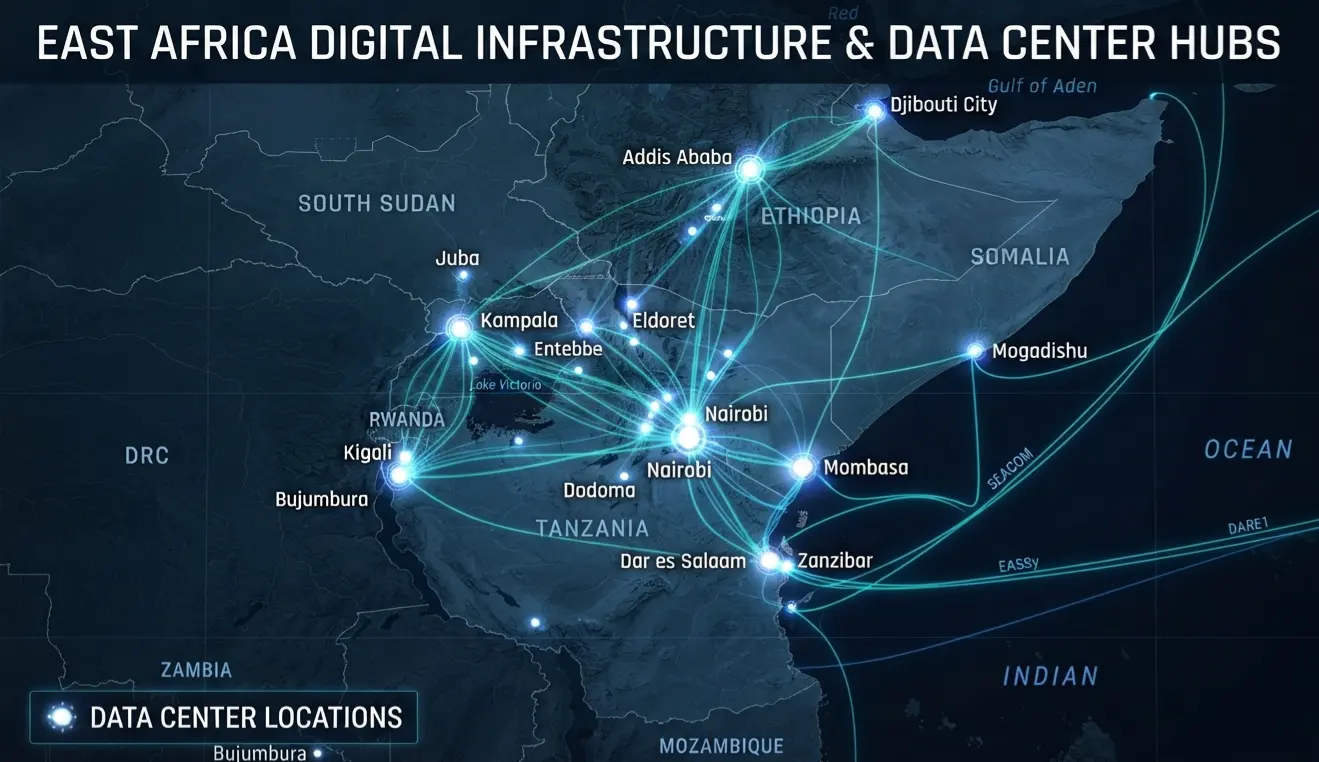
For Kenya's operators, developers, and investors, the moves are concrete. Audit the current contract stack against the risk map (power, land, supply chain, water, regulation) and find the gaps before a counterparty does. Standardise dispute resolution clauses across a portfolio so precedents compound. Build compliance narratives that match contractual promises, particularly under the Data Protection Act. And treat the HSF Kramer intervention as what it is: a signal from the disputes bar that it expects the work. Booms generate disputes everywhere; only well-drafted ones survive them with their valuations intact.