A widely shared analysis published on 16 September 2026 put a familiar frustration into sharp words: "Africa does not have an electricity problem. It has a reliability problem" (Engineering News, 16 September 2026). The numbers behind the headline are sobering. About 53 percent of people in sub-Saharan Africa have access to electricity, and more than 560 million still live without it. Kenya sits well above the regional average, with national access rising from roughly 30 percent in 2014 to over 75 percent (World Bank National Energy Compact 2025-2030), but access is not the same as dependability.
For most readers that argument is about households and factories. For anyone buying colocation, cloud or connectivity in Kenya, it lands on something much more specific: a data centre does not sell electricity, it sells uptime, and uptime is engineered from the assumption that the grid will fail. Understanding that mindset, and how Kenya's unusually green grid fits into it, explains most of what you will see and hear when you tour a Kenyan facility or compare prices. This article walks through the difference between generation and reliability, what data centres actually build to survive outages, and where Kenya stands.
Generation is not reliability
The two words get used interchangeably in policy debates, and that is exactly where the confusion starts. Generation is how much electricity a country can produce: megawatts from geothermal fields, hydro dams, wind farms and solar arrays. Reliability is whether that electricity arrives at your building, within voltage and frequency limits, every second of every day. A country can add generation capacity and still fail on reliability, because between the power plant and your rack sit hundreds of kilometres of transmission lines, substations, transformers and switching points, and any one of them can trip.
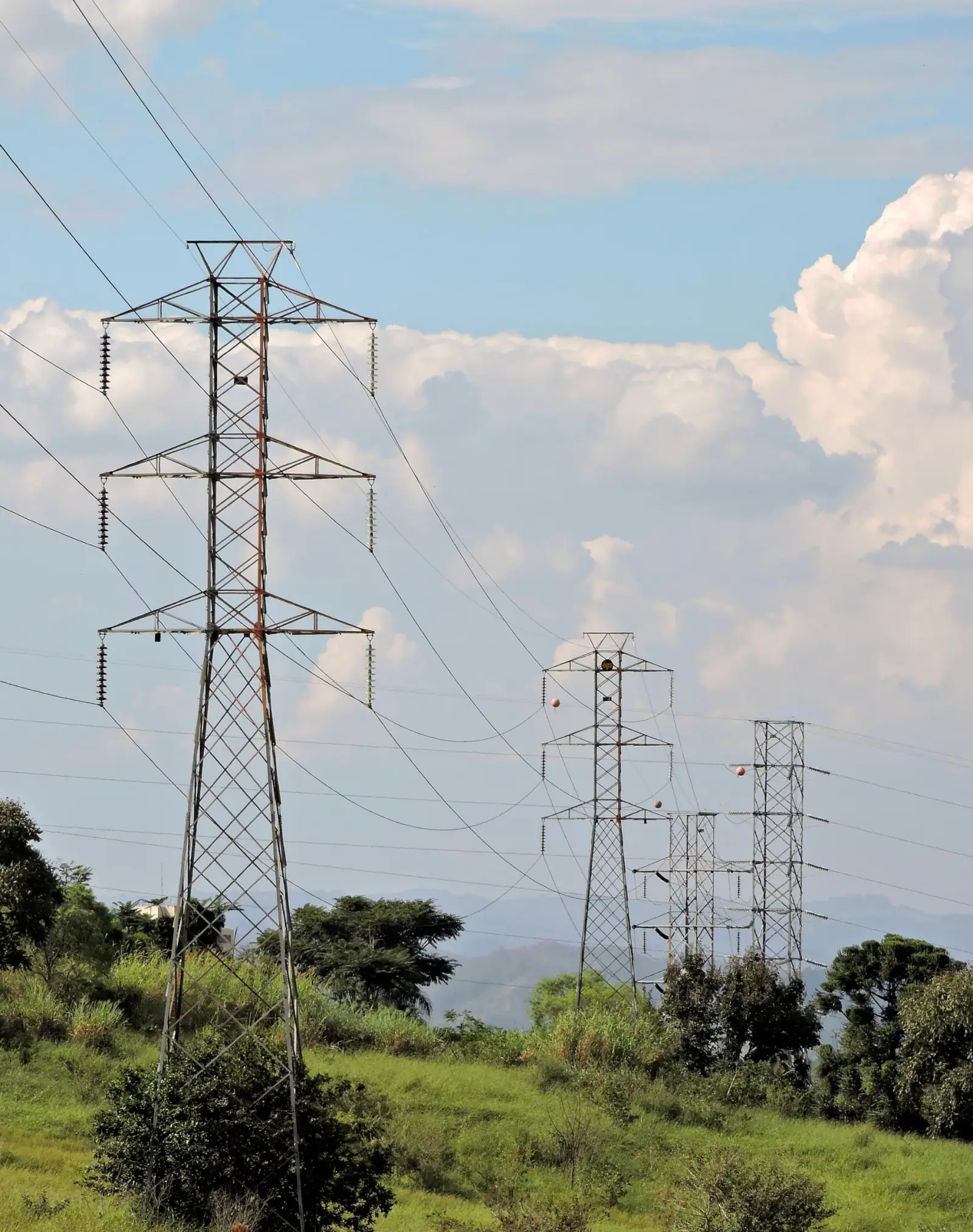
The Engineering News argument (16 September 2026) is that this middle layer is where sub-Saharan Africa loses: the constraint is not how much power is generated but how dependably it moves. That matches what infrastructure buyers experience. A factory can tolerate an interruption; machines restart and the shift continues. A data centre cannot, because its product is continuous availability. Every unplanned interruption, however brief, is a breach of the very thing customers pay for, which is why reliability engineering is not a feature of a data centre, it is the product.
This distinction also explains why national statistics can mislead buyers in both directions. A country with a high renewable share can still have a fragile transmission backbone, and a country with an imperfect grid can host world-class facilities, because the facility engineers around the grid rather than trusting it. The correct question is never "is Kenya's power good?" It is "what happens in this building when Kenya's power misbehaves?"
What uptime engineering actually looks like
Inside every serious data centre, grid power passes through a gauntlet designed by engineers who assume failure at each stage. Uninterruptible power supply (UPS) systems, usually large banks of batteries, hold the load instantly when input power strays, bridging seconds to minutes. Diesel generators start within that window and carry the load for as long as fuel lasts. Between them sits automatic transfer switching that decides, in milliseconds, which source feeds your rack.
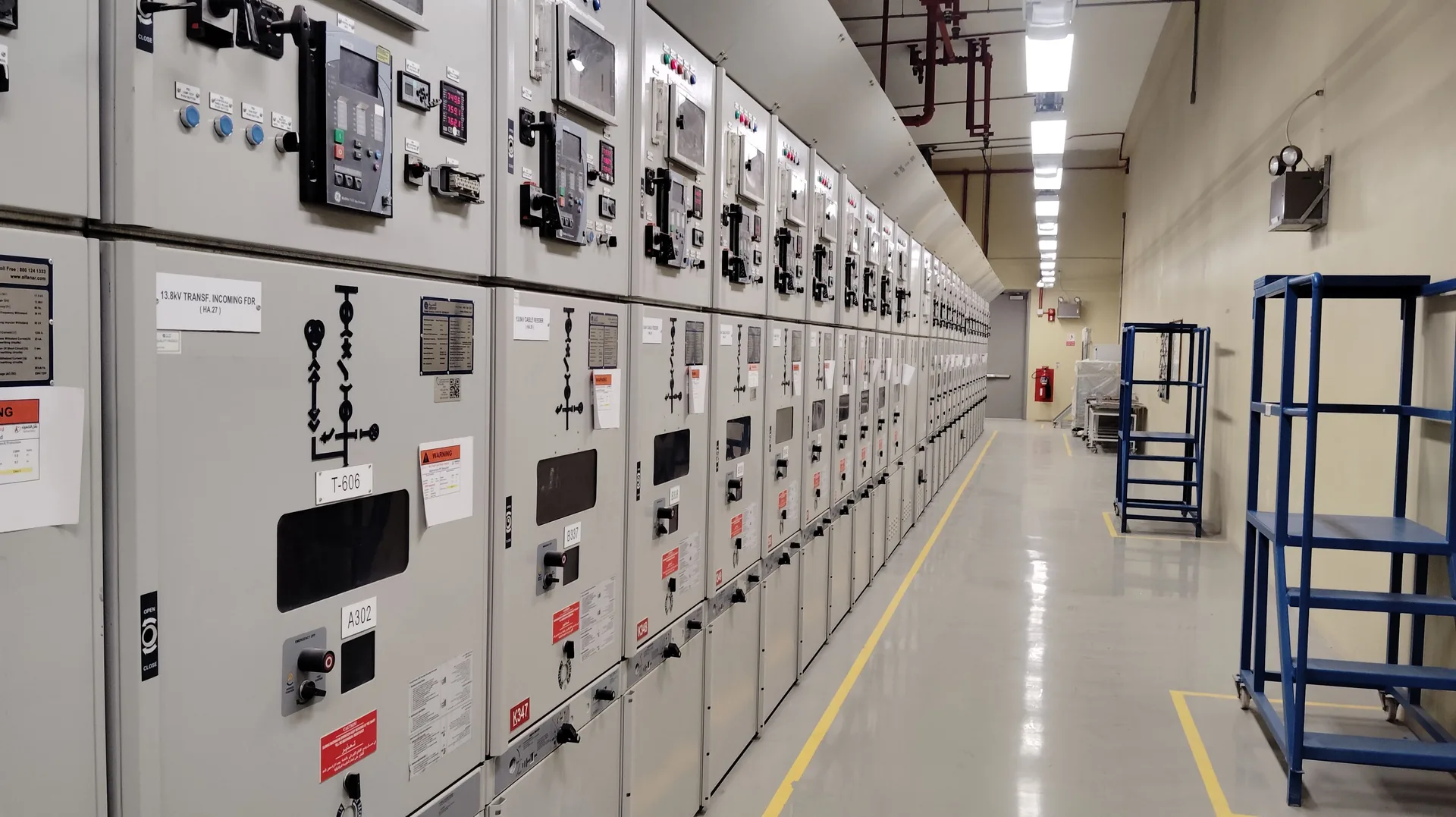
Beyond the backup chain, layout matters as much as equipment. Dual power paths (A and B feeds) route electricity to your equipment over completely separate cabling, switchgear and UPS systems, so a single fault cannot take both paths down. Designs are graded N+1 (one spare component per group) or 2N (two fully independent paths, each able to carry the whole load alone), and tier ratings formalise this: our explainer on what Tier III and Tier IV ratings actually mean covers how concurrent maintainability and fault tolerance translate into expected uptime.
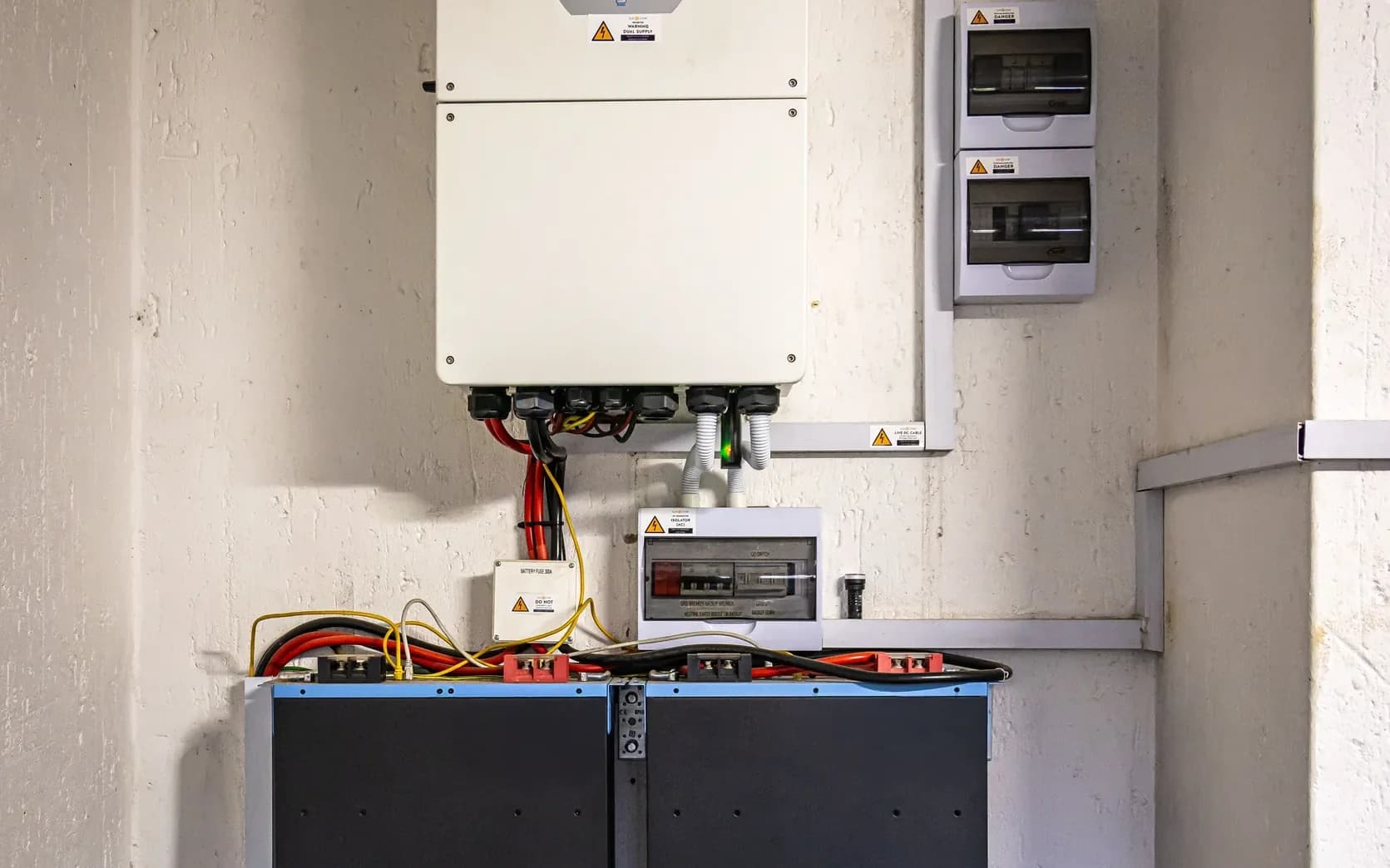
Two practical truths follow from all of this. First, the grid is just the first and cheapest source, not the only one; a well-built facility treats utility supply as an input it can lose. Second, the quality of the engineering shows up in boring details: when the fuel contract was last tested, how often generators run under load bank tests, how quickly the operator can maintain one path without dropping the other. Buyers who ask those questions get better service than buyers who ask about megawatts on a brochure.
Kenya's grid is greener than it is perfect
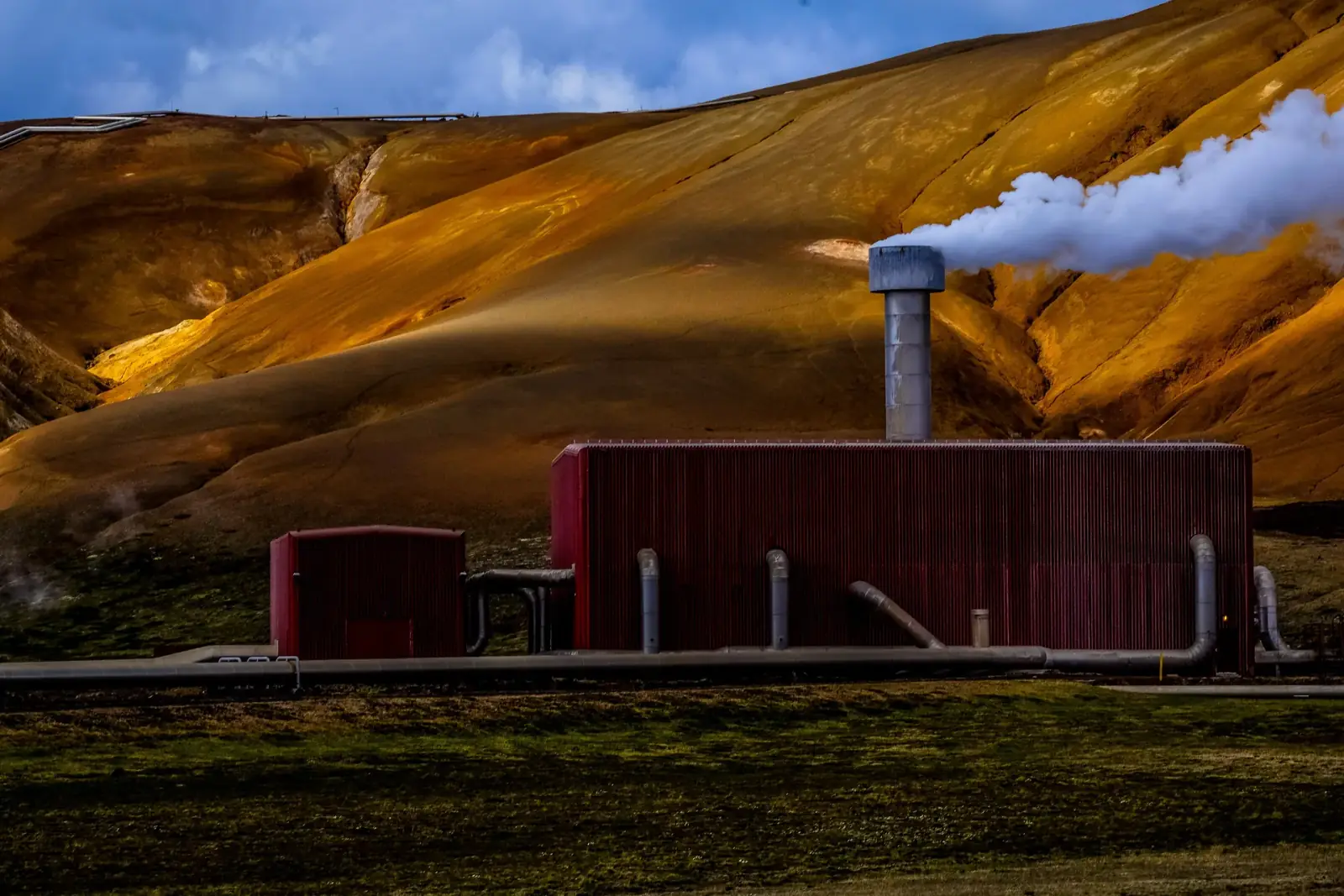
Kenya starts from a stronger base than most of the region, and the difference is one word: baseload. Roughly 90 percent of the country's electricity comes from renewable sources (US International Trade Administration, 5 July 2024), and the anchor is geothermal, at about 45 percent of generation, running around the clock at capacity factors of 90 to 95 percent (Climate Investment Funds, 5 September 2024; African Leadership Magazine, 29 May 2026). Kenya has around 950 megawatts of geothermal installed in the Rift Valley, anchored by Olkaria, the largest geothermal complex in Africa, plus Lake Turkana Wind's 310 megawatts and seasonal hydro.
Geothermal's value for reliability is precisely that it does not care about weather. Hydro sag in dry seasons and solar's nightly disappearance are the classic renewable weak points, but steam fields run through droughts and dark evenings alike, as our guide to geothermal energy for Kenyan data centres explains in depth. This is why Nairobi colocation can credibly claim both low-carbon supply and a stable baseload, a combination our analysis of Kenya's renewables and industrial power argues is a structural siting advantage.
Stable baseload, however, is not the same as unlimited capacity. Kenya's record peak demand hit 2,439 megawatts in December 2025 (TechCabal, 20 August 2026), and large new requests now strain against that ceiling. The clearest example is the Microsoft and G42 project near Olkaria, announced in May 2024, whose power request reportedly grew from 60 megawatts to 1,000 megawatts, roughly a third of the country's total installed generation, and the project has stalled partly over that power question (Kenyans.co.ke, 22 August 2026; Business Daily, 10 September 2026). The lesson generalises: generation and transmission planning move at utility pace, while digital demand moves at investment pace, and the gap between those speeds is the reliability problem wearing a business suit.
Bring your own power: the Amaco lesson
The most instructive response to the reliability gap in Kenya right now is being built on the coast. The Amaco HERCULES project in Mombasa, a $1.5 billion AI data centre plan at Dongo Kundu, is designed to generate its own electricity from a floating power barge fed by LNG, rather than waiting for grid allocation (Business Daily, 17 August and 10 September 2026). Reported initial demand at the site runs 75 to 100 megawatts, which would add roughly 4 percent to Kenya's national peak, and the developers chose to sidestep the queue entirely.
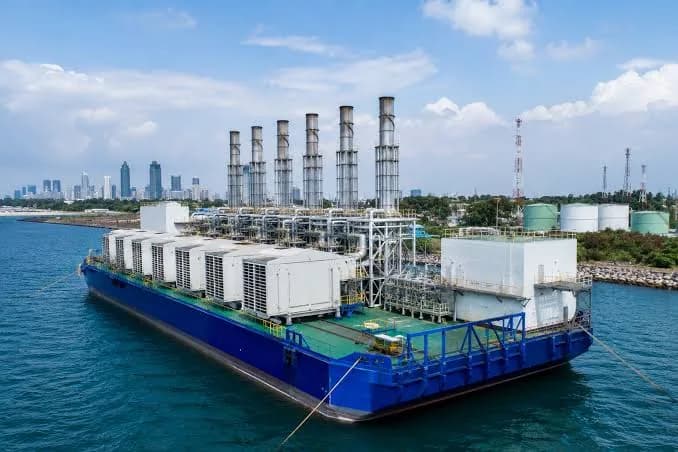
That is the extreme version of what every data centre does in miniature. A facility with generators and UPS systems is already a small self-supplying island; Amaco simply scales the island up until it barely needs the mainland. The pattern is worth naming because it will spread: as AI-scale loads arrive in African markets, the projects that move fastest will be the ones that stop treating the grid as a dependency and start treating it as one input among several. Buyers evaluating large deployments in Kenya should expect more "bring your own generation" proposals, and should evaluate them on fuel logistics, conversion efficiency and emissions as much as on headline capacity.
None of this makes Kenya's grid a liability to apologise for. It makes the grid a design input, and Kenyan operators who plan that way are following the same logic that made colocation an industry anywhere in the world. The facilities that will win enterprise trust are the ones that can show you their outage history, not just their renewable percentage.
Questions to ask before you sign
When you evaluate a Kenyan facility, power deserves its own hour of the tour. Start with the contracted power SLA: how many kilowatts per rack are guaranteed, and how is downtime compensated? Then walk the path: how many independent power routes reach your hall, and are they truly separate from the utility feed to the last cable? Ask for UPS autonomy at your actual load, generator runtime on site tanks, and the depth of the refuelling contract behind them. Ask when the transfer from UPS to generator was last tested under real load, because untested redundancy is a rumour, not a design.
Close with the supply mix and the meter: what share of the facility's supply is geothermal baseload versus seasonal hydro, what PUE (power usage effectiveness) the operator targets, and how it is actually metered. Our data centre PUE guide explains what typical values mean and how operators improve them. Operators with good answers volunteer these numbers; our Nairobi colocation buyer's guide collects the full question set. An hour of dated, specific questions buys you years of fewer surprises, which is the entire trade a data centre asks you to make.
Frequently asked questions
Is Kenya's power supply reliable enough for data centres?
For well-engineered facilities, yes. Kenya's structural advantage is geothermal baseload, which supplies roughly 45 percent of generation around the clock (Climate Investment Funds, 5 September 2024), and no credible Kenyan data centre depends on the grid alone anyway: UPS systems, generators and dual paths carry the uptime promise. What a buyer should judge is the facility's tier design, power SLA and outage history, not the national average.
Why is geothermal power so valuable for data centres?
Because it is baseload: geothermal plants run 24 hours a day at capacity factors of 90 to 95 percent, independent of rainfall and daylight (see our geothermal energy guide). Hydro output can sag in dry seasons and solar disappears at night, but geothermal steam fields in the Rift Valley deliver steady power, and Kenya has about 950 megawatts of it installed, anchored by Olkaria, the largest geothermal complex in Africa.
What does 2N power mean in a data centre?
2N means two complete, independent power paths from the utility or generators all the way to your equipment, each capable of carrying the full load on its own. If one path fails, the other carries on without interruption. N+1, by comparison, means one path with a spare component. 2N costs more to build; it removes single points of failure that N+1 can still contain.
How long can a data centre run without the grid?
Designed properly, indefinitely. UPS batteries carry the load for seconds to minutes while generators start, and generators run for days on tank fuel. What makes it indefinite is fuel logistics: serious operators hold on-site reserves plus contracted refuelling, and they test the full handover under load bank conditions. Ask any facility you pay for how long their autonomy lasts at full load and when it was last tested.
Why did the Microsoft and G42 data centre project stall?
Multiple reasons were reported, but power was central: the project's electricity request grew from 60 megawatts to 1,000 megawatts, roughly a third of Kenya's total installed generation (Kenyans.co.ke, 22 August 2026; Business Daily, 10 September 2026). Kenya's record peak demand is 2,439 megawatts (TechCabal, 20 August 2026), so a request of that scale cannot be absorbed by the grid quickly. It shows why large projects now design their own generation.
What is SAIDI and should I ask a data centre for it?
SAIDI (System Average Interruption Duration Index) is the average number of outage minutes a customer experiences per year. It is a utility metric, so it describes the grid, not any specific facility. Asking a utility's SAIDI is useful context; asking your data centre operator for their own recorded outage history and how their SLA compensates for downtime is far more useful, because their UPS, generators and dual paths stand between you and the grid's statistics.