
Kenya's data centre industry is creating jobs that most Kenyans do not know exist. When a young person thinks about a career in technology, they think of software development, cybersecurity, or digital marketing. They do not think about designing cooling systems that prevent servers from melting, managing power distribution for buildings that consume more electricity than small towns, or maintaining the fibre optic networks that connect a country to the global internet. Yet these are the roles that keep Kenya's digital infrastructure running, and they are in growing demand.
The data centre industry in Kenya employs hundreds of people across a range of specialisations, from entry-level technicians to senior facility managers with decades of experience. As the industry grows (driven by increasing digitalisation, cloud adoption, and the potential for AI infrastructure investment) the demand for skilled professionals will only increase. For anyone considering a career in this space, understanding the roles, the required qualifications, and the pathways to entry is essential.
The Core Roles: What People Actually Do
Facility Engineer
Facility engineers are responsible for the physical infrastructure of the data centre: power systems, cooling, fire suppression, and the building itself. This is a broad role that encompasses electrical engineering, mechanical engineering, and building management. In smaller facilities, one person may cover all of these. In larger ones, the role is split into specialists.
Day-to-day work includes monitoring power and cooling systems, responding to alarms, performing preventive maintenance, and coordinating with utility providers. During facility expansions or upgrades, facility engineers design the infrastructure modifications needed to support additional capacity.
Qualifications: Degree in electrical or mechanical engineering. Industry certifications like CDCP, or vendor certifications from Schneider Electric, Vertiv, or Eaton, are highly valued.
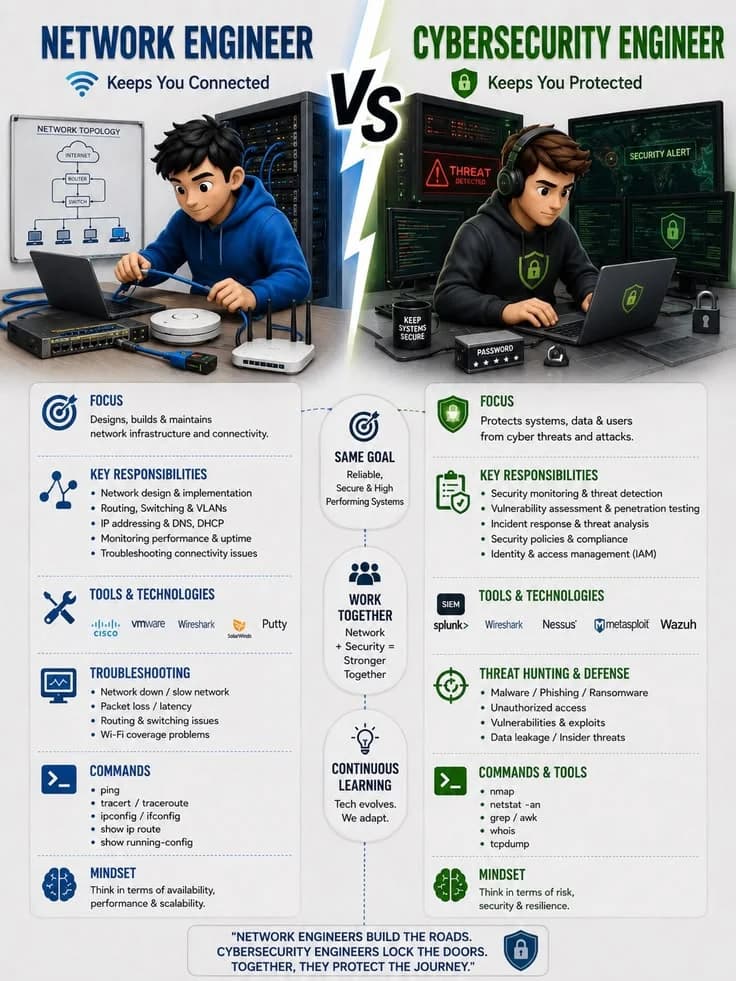
Network Engineer
Network engineers manage the data centre's connectivity, both the internal network that connects servers to each other and the external network that connects the facility to the internet, submarine cables, and client networks. This role requires deep knowledge of networking protocols (BGP, OSPF, MPLS), fibre optic technologies, and network equipment from vendors like Cisco, Juniper, and Arista.
In a colocation facility like iXAfrica or Africa Data Centres, network engineers also manage cross-connects between different clients and ensure that each customer's network is properly isolated and performing optimally.
Qualifications: Degree in telecommunications, IT, or computer science. CCNA, CCNP, or equivalent certifications are typically required.
Operations Manager
Operations managers oversee the day-to-day running of the facility. They coordinate between engineering teams, manage shift schedules, handle client onboarding, and ensure that service level agreements (SLAs) are met. This is a senior role that requires both technical understanding and strong management skills.
In practice, the operations manager is the person who decides what happens when something goes wrong, and they need enough technical knowledge to make the right call quickly.
Qualifications: Typically 5-10 years of experience in data centre operations, often starting in an engineering role. An MBA or operations management qualification is an advantage.
Cabling Technician
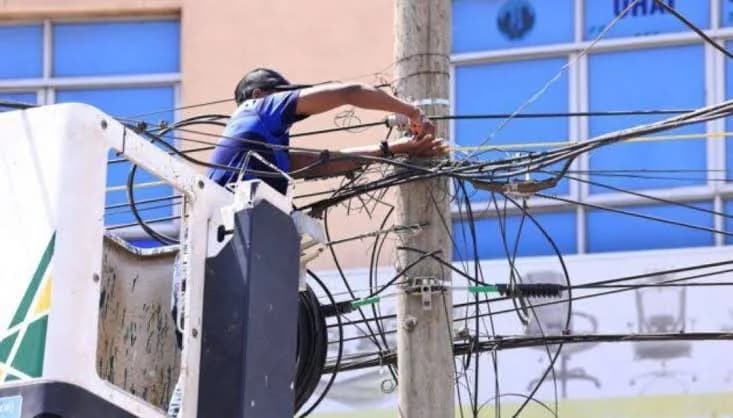
Cabling technicians install, maintain, and troubleshoot the structured cabling that connects everything in the data centre. This includes copper and fibre optic cables, patch panels, and cable management systems. It is one of the most accessible entry points into the industry.
Good cabling work requires precision, patience, and attention to detail. A single poorly terminated fibre connector can cause signal loss that degrades performance for an entire rack of servers.
Qualifications: Diploma in IT, telecommunications, or electrical engineering. Vendor certifications for fibre optic termination (e.g., Corning, CommScope) are valued.
Certifications That Matter
The data centre industry has a well-established certification framework that helps professionals demonstrate their knowledge and advance their careers.
CDCP, Certified Data Centre Professional
The CDCP, offered by the Infrastructure Masons Academy (formerly the Uptime Institute), is the most widely recognised entry-level data centre certification globally. It covers data centre design concepts, infrastructure components, operations best practices, and maintenance procedures. The certification requires passing a multiple-choice exam and is valid for three years.
For anyone in Kenya looking to enter the data centre industry, the CDCP is the single most valuable certification to obtain. It is recognised by all major operators and demonstrates a foundational understanding of how data centres work.
Vendor-Specific Certifications
Manufacturers like Schneider Electric, Vertiv, and Eaton offer certifications for their specific products and systems. These are particularly valuable for engineers who will work with specific equipment. For example, a facility using Schneider Electric UPS systems and Prisma management software would benefit from engineers who hold Schneider's Data Centre Certified Associate (DCCA) certification.
Networking Certifications
Cisco's CCNA and CCNP remain the gold standard for network engineers globally, including in Kenyan data centres. For fibre optic specialists, certifications from the Fibreoptic Industry Association (FIA) or vendor-specific programmes from Corning or CommScope are relevant.
Safety Certifications
Working in data centres involves high-voltage electrical systems, confined spaces, and heavy equipment. Safety certifications, including occupational health and safety training, are mandatory for most roles and are often a legal requirement.
The Salary Landscape
Data centre salaries in Kenya vary significantly by role, experience, and employer. International operators (iXAfrica, Africa Data Centres, and potentially Microsoft) tend to pay above market rates, while local operators and government facilities may pay less.
| Role | Entry Level (KES/mo) | Mid-Level (KES/mo) | Senior (KES/mo) |
|---|---|---|---|
| Cabling Technician | 40,000–60,000 | 60,000–100,000 | 100,000–150,000 |
| Network Engineer | 60,000–100,000 | 100,000–200,000 | 200,000–400,000 |
| Electrical Engineer | 60,000–100,000 | 120,000–250,000 | 250,000–500,000 |
| Cooling Engineer | 60,000–100,000 | 120,000–250,000 | 250,000–500,000 |
| Operations Manager | , | 150,000–300,000 | 300,000–600,000+ |
| Facility Manager | , | 200,000–400,000 | 400,000–800,000+ |
These figures are approximate and based on industry reports and job listings. Senior roles at international operators can exceed these ranges, particularly when including benefits like medical insurance, housing allowances, and professional development budgets.
How to Enter the Industry

The most common pathways into Kenya's data centre industry are:
Engineering graduates. A degree in electrical, mechanical, or telecommunications engineering is the most direct entry point. Most large operators run graduate programmes or hire junior engineers. Adding a CDCP certification significantly improves employability.
IT professionals transitioning. Network engineers, systems administrators, and IT support staff can transition into data centre roles, particularly in networking and operations. The key gap to fill is understanding the physical infrastructure, power, cooling, and facilities management.
Trade and vocational. Cabling technicians, electricians, and HVAC technicians can enter the industry with relevant trade qualifications and on-the-job training. These roles offer a practical pathway to senior positions through experience and additional certifications.
Military and telecom veterans. People who have worked on communications infrastructure in the military or at telecom companies (Safaricom, Telkom Kenya) often have directly transferable skills.
The data centre tier ratings framework is important knowledge for anyone entering the field, understanding the reliability standards that facilities are built to will help you understand why things are designed the way they are.
The Outlook
Kenya's data centre industry is at an inflection point. The combination of regulatory clarity from the licensing framework, growing demand from cloud and AI, and the country's geothermal energy advantage creates a strong foundation for job growth. The constraint, as always, is power supply, but as grid infrastructure improves, the industry will create hundreds of skilled, well-paying jobs.
For anyone considering this career path, the timing is good. The industry is small enough that capable professionals are noticed quickly, but growing fast enough that there is real demand. Start with the CDCP certification, build practical skills through training or entry-level roles, and develop specialisation in an area like power, cooling, or networking. The career path from there (to senior engineer, operations manager, and eventually facility director) is well-established and well-compensated.