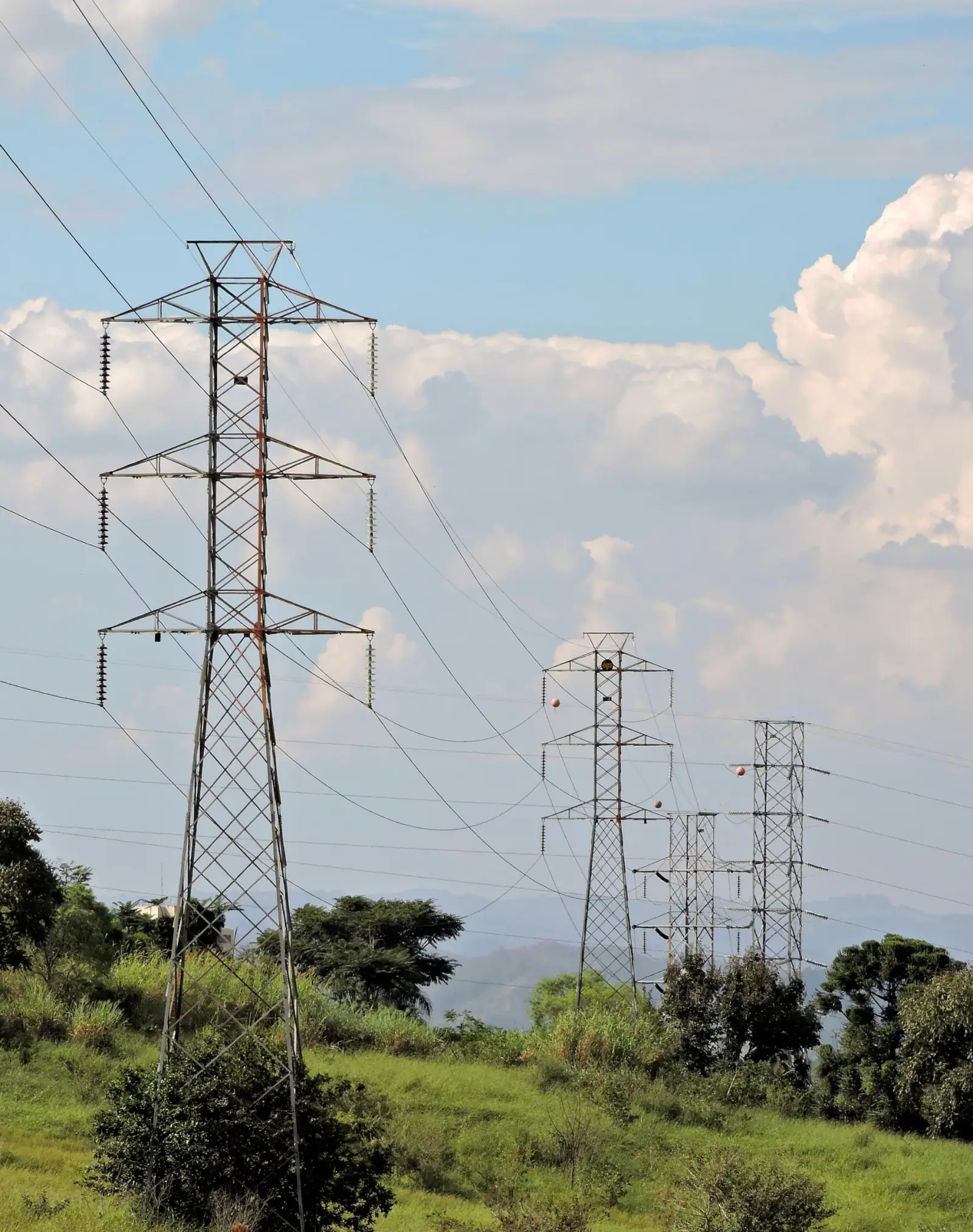
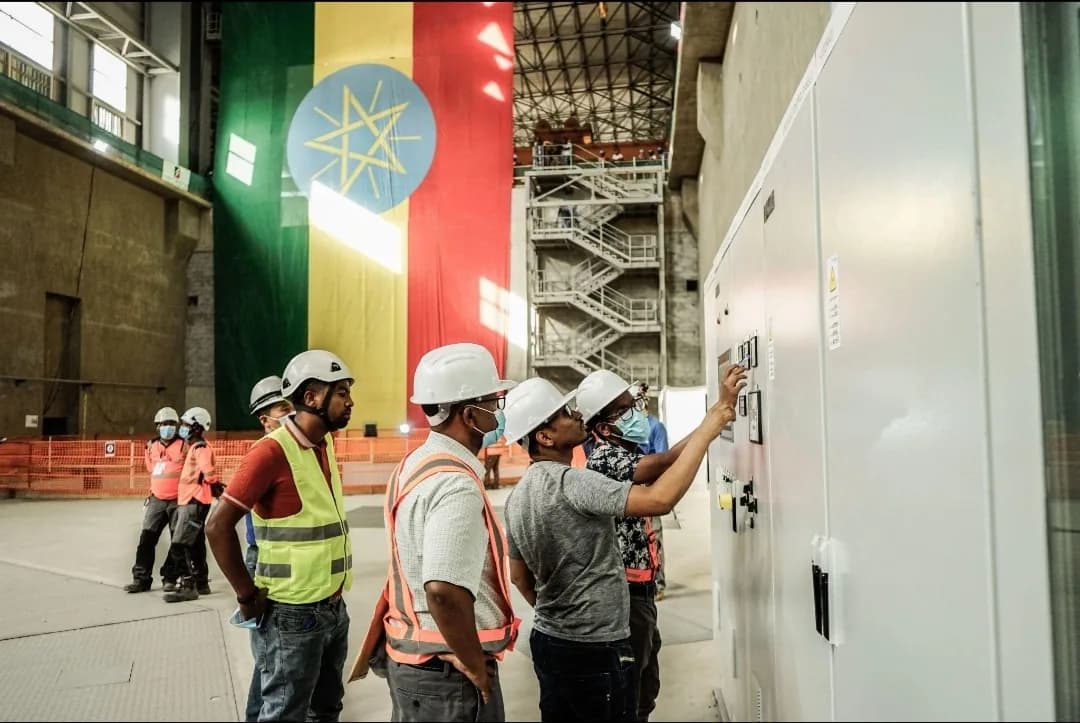
Ethiopia is preparing to increase electricity exports to Kenya from 200 megawatts to 400 megawatts from December 2026, according to Ethiopian Electric Power. The change remains subject to technical preparation and testing of the interconnected grids (Ethiopian Electric Power, 16 September 2026).
For Kenya's growing data-centre industry, the announcement matters. Not because Ethiopia is about to supply dedicated power to server halls in Nairobi. It is not. The additional electricity will enter Kenya's wider grid, alongside domestic generation and other regional imports.
The more useful question is this:
Could a larger regional electricity market improve the power environment in which Kenya's data centres operate?
Possibly. But the answer depends on far more than an extra 200 MW. It depends on transmission capacity, local connections, the delivered cost of power, grid stability and the backup systems inside every facility.
The connection is a grid link, not a private data-centre feed
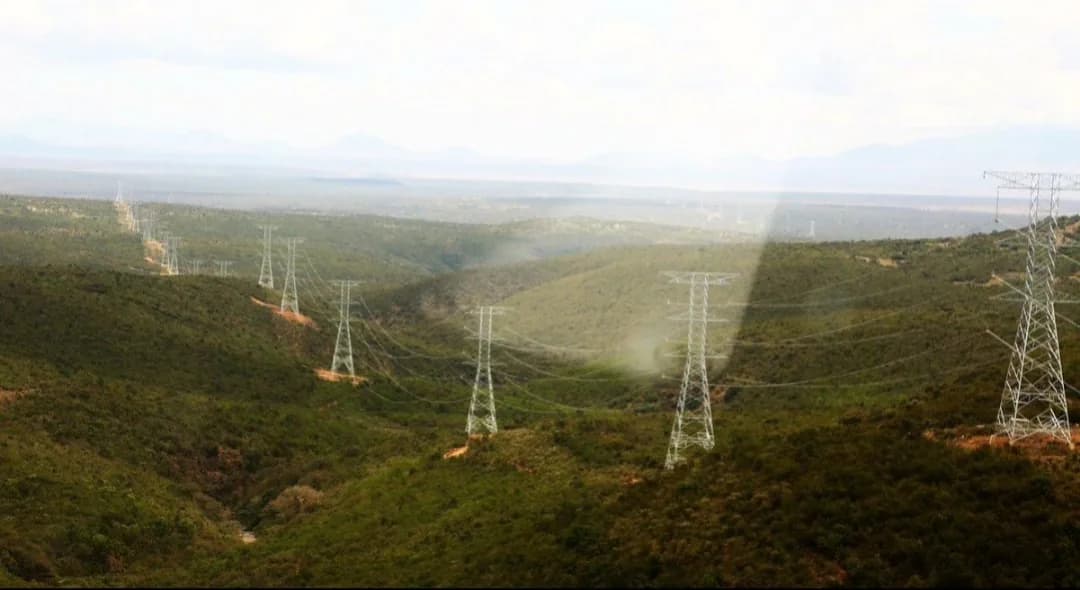
Kenya and Ethiopia are connected by the Ethiopia-Kenya Electricity Highway, a 1,045-kilometre, 500-kilovolt high-voltage direct-current interconnector. The link has a transfer capacity of up to 2,000 MW, far above the 200 MW currently supplied and the planned 400 MW peak arrangement (African Development Bank, project information).
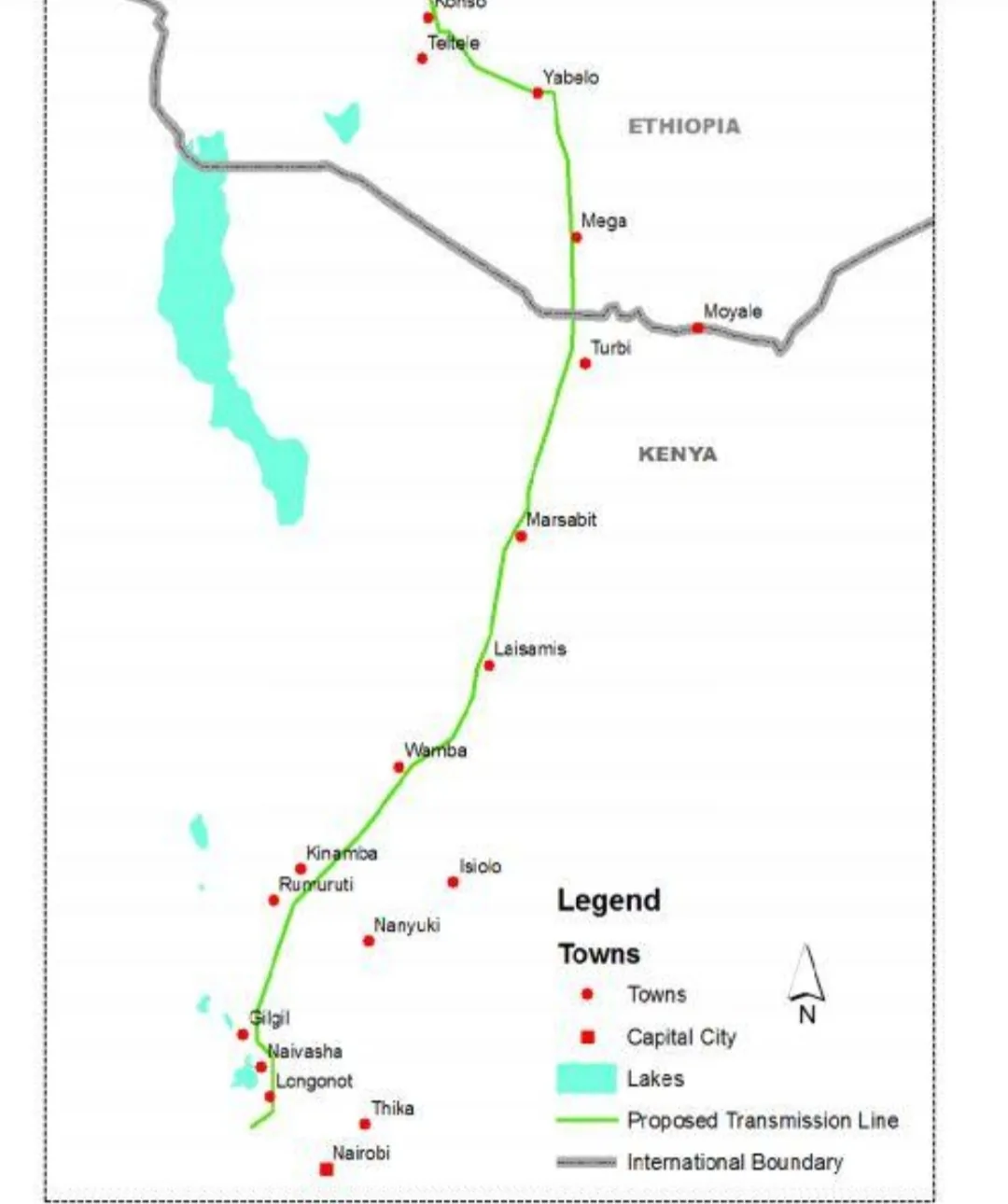
Electricity does not travel from an Ethiopian power station directly into a Kenyan data centre. It enters the national transmission system and is balanced with generation from Kenya's geothermal, hydro, wind, solar and thermal plants, as well as other imports. It must then reach the relevant substation, feeder and facility connection.
That distinction is essential. The planned extra 200 MW is not 200 MW reserved for data centres. Homes, manufacturers, telecoms networks, public services and businesses all draw on the same system.
Still, larger supply can matter to a sector that cannot tolerate interruption. Data centres run servers, cooling, network equipment, security systems and control systems continuously. Their UPS batteries and generators protect customers from grid disturbances, but those systems sit on top of the grid. They do not make grid capacity, transmission constraints or electricity prices irrelevant.

Kenya has been importing Ethiopian electricity for some time. The African Development Bank reported that the imports accounted for more than 12% of Kenya's national energy purchases in the final six months of 2024 and displaced about 635 gigawatt-hours of fossil-fuel generation over that period (African Development Bank, 2024). This is an expansion of an existing energy-trade relationship, not the start of one.
Under the reported plan, peak-period supply would rise to 400 MW from 200 MW, while off-peak supply would rise to 150 MW from 65 MW. Those figures should be read as planned operating volumes, not as a guarantee of delivered capacity until the testing and operational arrangements are complete.
What another 200 MW could change
1. It could improve system adequacy at the margin
More imported electricity can give Kenya additional supply during high-demand periods. That may reduce pressure on the system and improve the context in which large consumers plan future load.
For a data-centre developer, this is relevant to one practical question: can the grid make a credible, timely connection available at the planned site? More generation or imports improve the national picture, but they do not automatically create capacity at every Nairobi, Konza, Mombasa or secondary-city location.
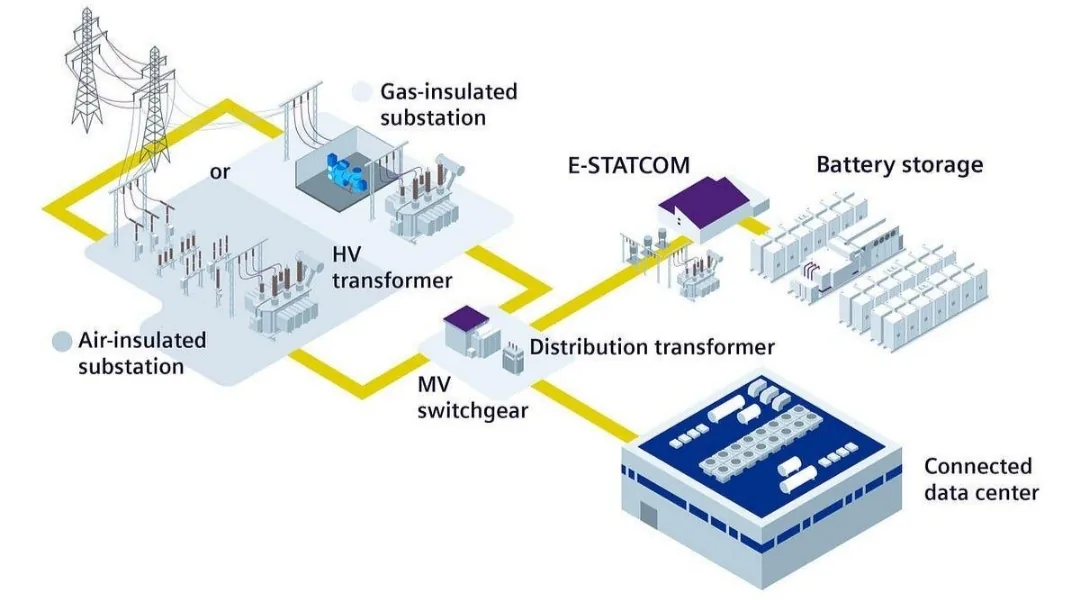
Transmission and distribution are the constraints that turn national megawatts into usable site power. A facility can face a long wait for a new feeder, substation upgrade or high-voltage connection even when the country has sufficient aggregate generation. That is why a developer should ask for a site-specific connection study, not rely on a national capacity headline.
2. It could affect the cost conversation, but not automatically lower bills
Electricity is a material operating cost for data centres. Regional trade can improve system economics when lower-cost generation is available and can be delivered through the grid. The African Development Bank said Ethiopia-Kenya imports displaced fossil-fuel generation and reduced pass-through costs during its 2024 assessment.
That does not mean a Kenyan data centre will automatically receive cheaper electricity.
The question for an operator or investor is not, "Is Ethiopian hydropower cheap?" It is, "What is the delivered, reliable cost of electricity at this specific site?"
The answer includes the power-purchase arrangement, transmission and distribution charges, system losses, retail tariff structure, connection costs, backup generation, fuel contracts and the facility's target redundancy. A low wholesale import price can be useful to the system while leaving the delivered cost at a particular facility largely unchanged.
3. It makes renewable-power provenance more important
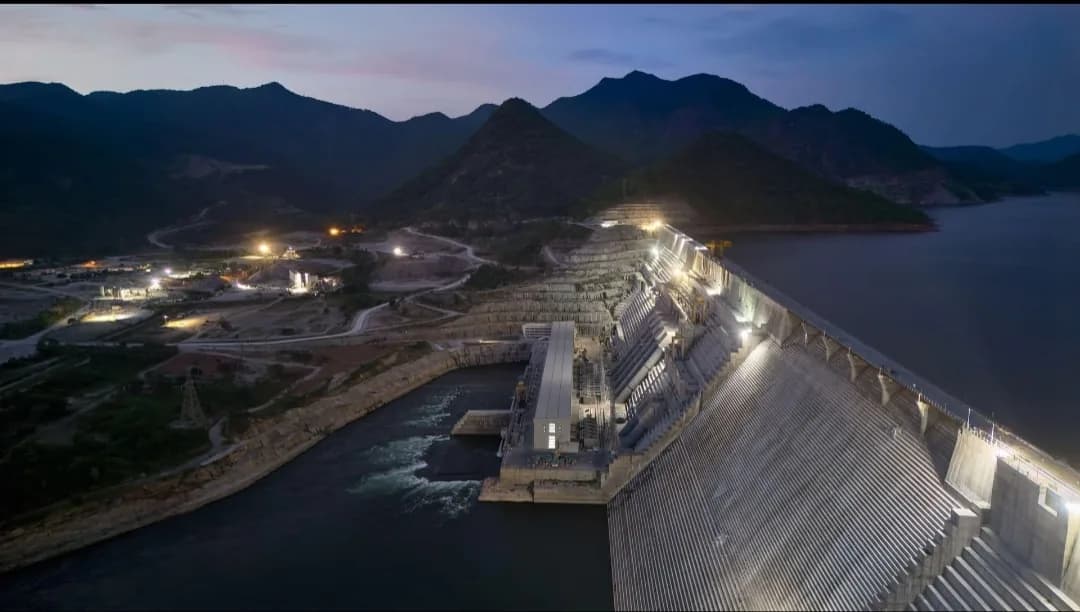
Ethiopia's electricity system is dominated by hydropower, while Kenya has substantial geothermal generation alongside hydro, wind and solar. In a more integrated regional market, the relevant story is not a simplistic chain from one dam to one data centre. It is a wider system that can exchange electricity generated from different resources.
That may become commercially relevant as enterprise customers and cloud buyers ask more searching questions about renewable electricity, hourly matching, power-purchase arrangements and emissions. Operators should be precise: importing regional power can support a lower-carbon grid mix, but a claim about a particular facility's electricity must be backed by the applicable contract, metering and accounting method.
For more context on the domestic generation advantage, read our guide to why geothermal energy matters to Kenyan data centres.
Reliability is the more important story
More supply is valuable. Reliable supply is decisive.
Ethiopian Electric Power says a joint technical committee is overseeing testing ahead of the planned increase. That is a meaningful part of the announcement. Interconnectors allow electricity to cross borders, but they also require the connected systems to operate safely and stably.
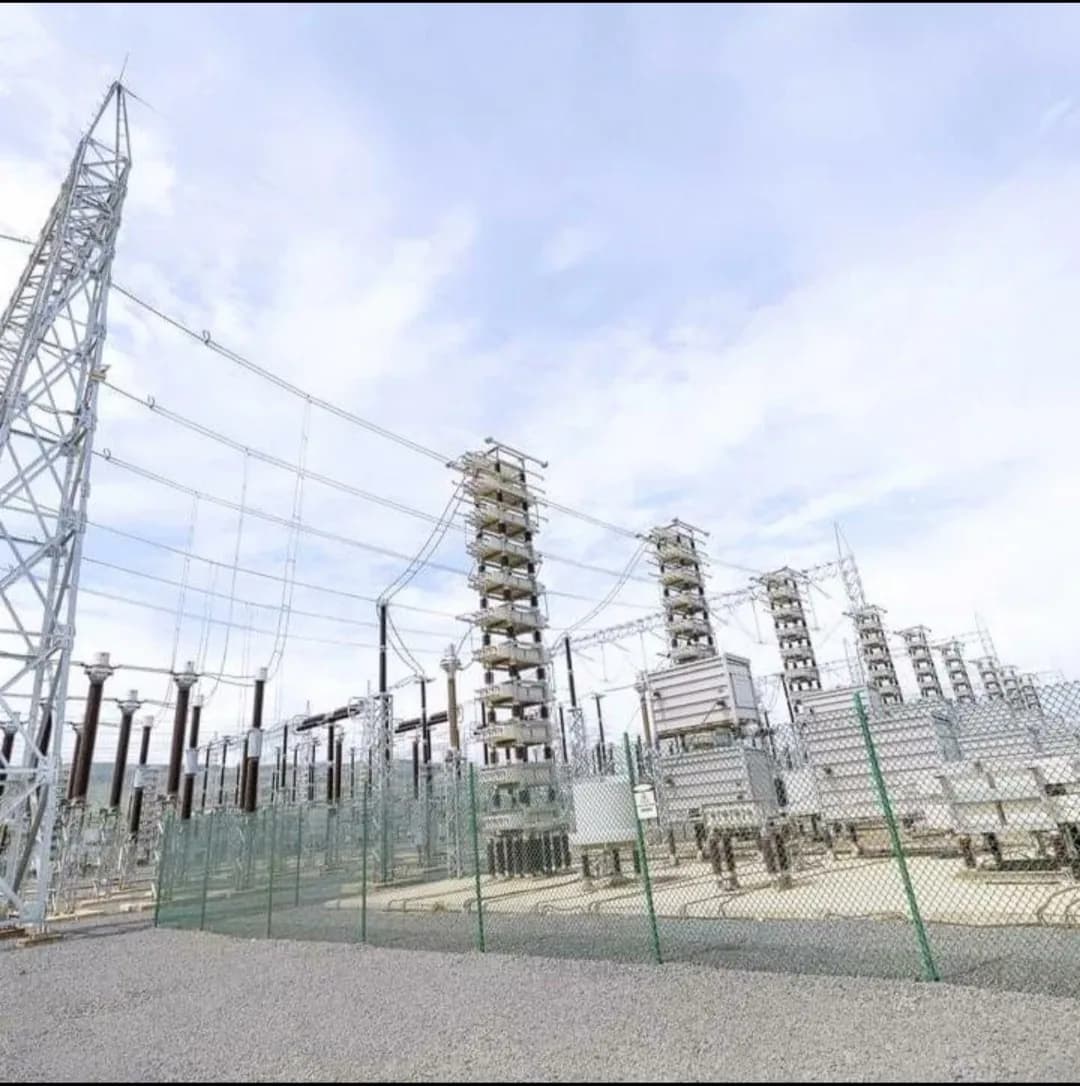
A more connected East African grid can diversify supply. It can also introduce new dependencies: a transmission fault, generation shortfall, commercial dispute or operational problem outside Kenya can affect the power available to Kenya. The right conclusion is not that interconnection is risky or undesirable. It is that resilience has to be designed at several levels.
At the national level, Kenya needs adequate reserves, stable frequency and voltage, robust transmission corridors and clear operating arrangements with neighbouring systems. At the facility level, data-centre operators need independent utility paths where available, UPS systems, generators, fuel autonomy, tested transfer procedures and credible maintenance discipline.
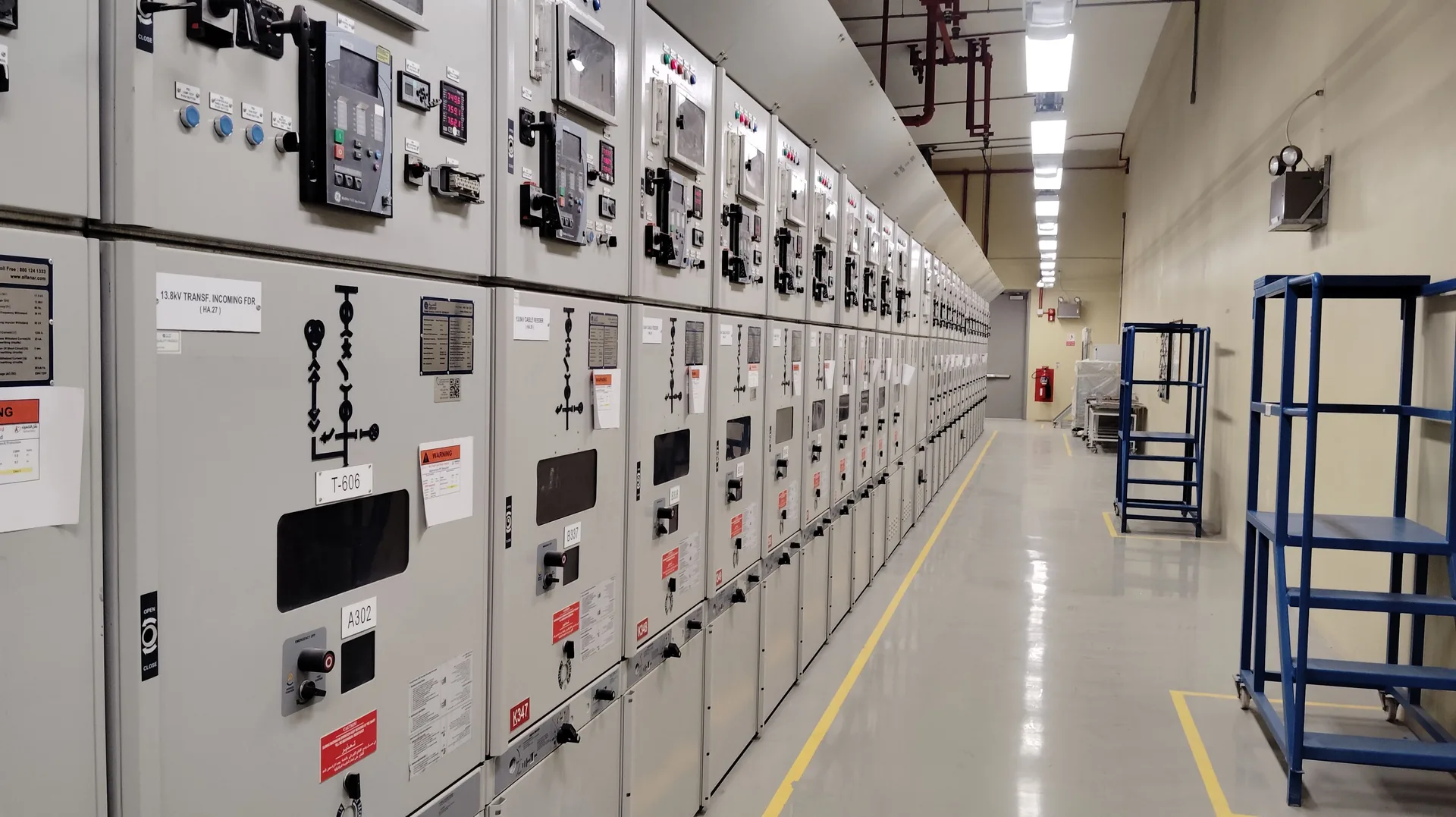
A customer buying colocation should therefore judge the facility, not only the national grid. Ask what happens when a utility feed fails, how long the UPS bridge lasts, when generators were last tested under load, how long on-site fuel lasts, and whether the two power paths are genuinely independent. Our explainer on how data-centre UPS backup power works covers the handover between a grid disturbance and generator power.
The regional market is still being built
The Kenya-Ethiopia link is part of a broader East African integration story. KETRACO identifies interconnections with Ethiopia, Tanzania and Uganda, including the Ethiopia-Kenya connection and the planned Kenya-Tanzania link. The infrastructure is intended to make regional electricity trading more practical, but physical links alone do not complete a market.
Ethiopia has also been testing exports to Tanzania. Reporting on 19 September 2026 said the six-month pilot had ended without a final long-term commercial agreement, with volumes, tariffs, operating arrangements and transmission constraints still under discussion (The Reporter, 19 September 2026). That is a useful reminder that regional power trade progresses through engineering, regulation and commercial negotiation at the same time.
The World Bank approved a $1.6 billion, 10-year programme in June 2026 to support electricity transmission, regional trading and system resilience in Eastern Africa. The programme includes support for the Eastern Africa Power Pool and a planned day-ahead electricity market (World Bank, June 2026).
This is the larger development to watch. East Africa is gradually creating the infrastructure and market rules for electricity to become more regional. For digital infrastructure, that could widen the pool of available supply and strengthen resilience over time. It could also make power planning more complex because facility operators will need to understand cross-border supply exposure as well as local grid conditions.
Where This Sits Among Kenya's Power Options
Imports are one of three supply models now converging on Kenya's data centre conversation, and they are best understood side by side rather than added together. Domestic geothermal near the wells is the Olkaria corridor model, covered in our Olkaria analysis: putting compute where the baseload is generated instead of stretching the grid to it. Regional hydro imports are this article's model: energy generated in Ethiopia entering Kenya's bulk grid through the interconnector. The newest arrival is announced coastal fossil baseload: on 26 September 2026, Aliko Dangote said his proposed Lamu refinery would include an LNG-fired power plant of about 1,000 megawatts, with roughly 500 megawatts potentially sold to the Kenyan government, covered in our Dangote Lamu analysis.
The status labels differ, and the difference matters more than the headline sizes. The 400 megawatts planned from Ethiopia is a trade volume awaiting technical testing and operational arrangements. The Dangote plant is an announcement attached to an unbuilt refinery, with no power purchase agreement or financing close public, which is the same distinction this site applies to the stalled Microsoft and G42 campus announcement. Neither figure is reserved for data centres, and none of the three models' numbers should be summed into a single national total, because they describe different grid positions at different stages of certainty. If a PPA or financing close lands at Lamu, that is the trigger to re-grade the third model; until then, the December 2026 test of the higher export volumes is the milestone this article watches.
What investors, operators and policymakers should watch
It is too early to claim that the planned increase will transform Kenya's data-centre market. The evidence does not support that conclusion.
It does create a useful watchlist:
- Connection capacity: Can new facilities secure firm power at the exact site and timetable they need?
- Delivered cost: Do lower-cost imports improve the fully delivered cost after tariffs, network charges and resilience costs?
- Grid stability: Can Kenya integrate larger import volumes while maintaining frequency, voltage and reserve margins suitable for critical loads?
- Transmission: Are high-voltage corridors, substations and local feeders keeping up with demand in data-centre locations?
- Renewable procurement: Can operators substantiate renewable-energy claims with contracts, metering and a clear accounting method?
- Regional resilience: Does cross-border trading diversify supply effectively, and how are disruption and settlement risks managed?
These are not abstract policy questions. They determine whether a data-centre project can obtain power, what it costs to run, how much backup it must build and how credibly it can promise availability to customers.
The infrastructure beneath the infrastructure
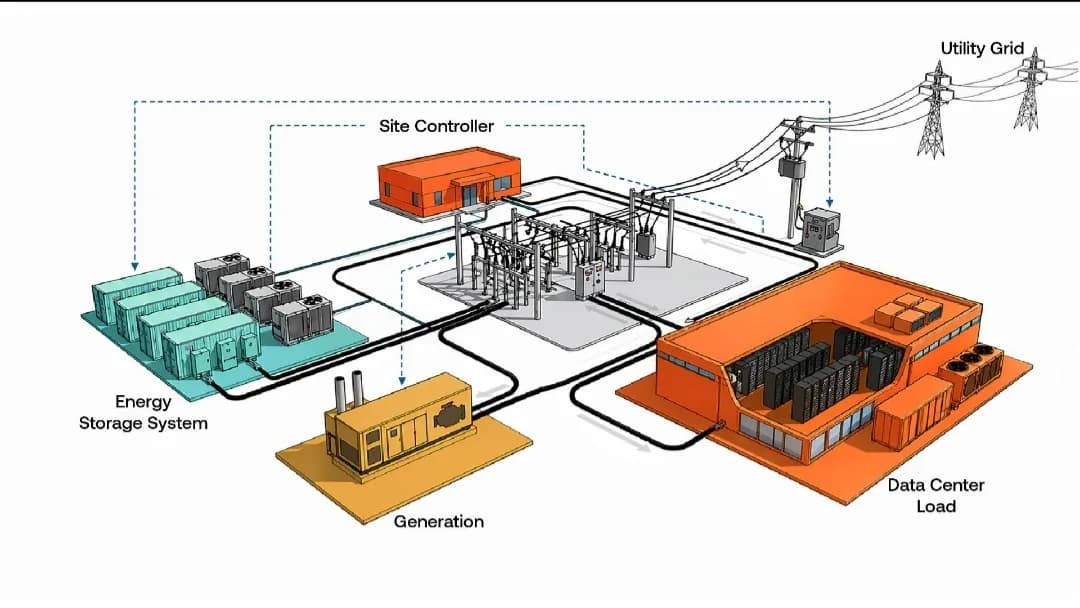
Data centres are often discussed as buildings full of servers. In reality, they sit on a chain of physical systems:
Electricity generation
↓
Transmission
↓
Distribution
↓
Data-centre power systems
↓
Servers and cooling
↓
Networks and fibre
↓
Cloud, AI and digital services
A weakness in any layer can affect the layers above it. That is why the Ethiopia export announcement belongs in a conversation about Kenya's data-centre future.
The immediate test comes in December 2026, when the planned higher export volumes are expected to begin if technical preparations are completed. The key evidence to watch will be delivered volumes, system performance, commercial terms and whether Kenyan grid operators can translate additional imports into dependable service where new digital infrastructure is being built.
The servers may sit in Kenya. Increasingly, the power system behind them is regional.
Frequently asked questions
Will Ethiopia's additional electricity supply power Kenya's data centres directly?
No. The planned additional supply enters Kenya's interconnected grid and serves the wider electricity system. It is not a dedicated allocation for data centres. Any benefit to a facility depends on local connection capacity, transmission, tariffs, contract terms and the facility's own redundancy design.
Does importing 400 MW make Kenya's grid reliable enough for data centres?
Not by itself. More supply can help system adequacy, but data-centre reliability also depends on grid stability, the strength of transmission and distribution at the site, dual utility feeds, UPS systems, generators, fuel logistics and tested operating procedures.
Could Ethiopian imports reduce data-centre electricity prices in Kenya?
They could improve system economics if lower-cost generation is delivered efficiently, but there is no automatic pass-through to a specific data centre. Delivered cost depends on the power contract, transmission and distribution charges, losses, tariffs and the cost of resilience at the chosen site.