Kenya's Most Ambitious Infrastructure Project
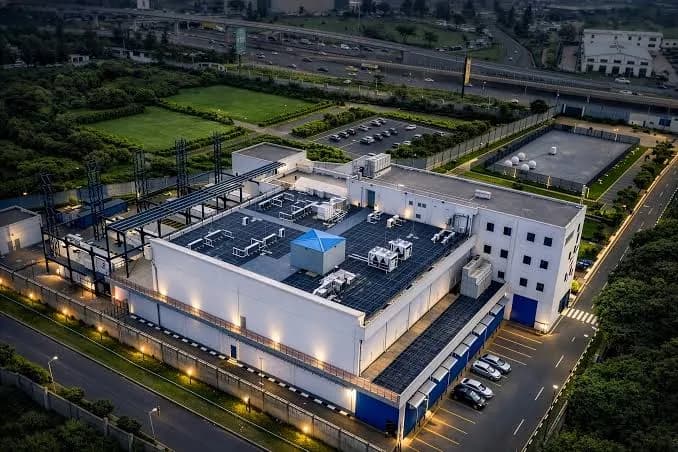
Sixty kilometres south of Nairobi, on the arid plains of Machakos County, one of Africa's most ambitious smart city projects is taking shape. Konza Technopolis (a 5,000-acre development conceived as the cornerstone of Kenya's Vision 2030 strategy) aims to create a world-class technology hub that the government has dubbed "Silicon Savannah."

For Kenya's data centre industry, Konza represents both an enormous opportunity and a complex question. Can a purpose-built smart city, still in its early phases of development, attract the investment and demand needed to become a meaningful data centre location? Or will the established infrastructure and ecosystem of Nairobi continue to dominate?
The answer will have significant implications for Kenya's position as East Africa's digital hub and the broader trajectory of the continent's data centre market.
The Vision 2030 Genesis
Konza Technopolis was conceived as part of Kenya Vision 2030, the country's long-term development blueprint launched in 2008. The vision identified information and communications technology (ICT) as a key pillar of economic transformation, and Konza was designed as the physical manifestation of this ambition, a dedicated city where technology companies, research institutions, and government agencies would co-locate to create an innovation ecosystem.
The Konza Technopolis Development Authority (KoTDA) was established by an Act of Parliament in 2012 to oversee the planning, development, and management of the project. The World Bank has provided project appraisal support and financing, recognizing Konza's potential to catalyze Kenya's knowledge economy.

The master plan for Konza is comprehensive: a city designed for approximately 200,000 residents and 100,000 jobs, with dedicated zones for business process outsourcing, life sciences, education, and (critically for the data centre industry) technology infrastructure including data centres.
Current Development Status
Konza's development has been progressing in phases, with the World Bank supporting the project through its Konza Technopolis Development Project.
Phase 1 Progress
Phase 1 of Konza covers approximately 400 acres of the total 5,000-acre site and focuses on core infrastructure and the first batch of buildings:
- Roads: Internal road networks within the Phase 1A area have been completed, connecting the core zone to the A104 highway and the Nairobi-Mombasa railway
- Power: A dedicated power substation has been constructed, with provisions for dual-feed redundancy from the national grid. The substation is designed to support the high power densities required by data centres and other technology facilities
- Water and sewerage: Modern water supply and wastewater treatment infrastructure has been installed
- Fibre connectivity: Multiple fibre providers have laid connectivity to the site, including via the Kenya Electricity Transmission Company (KETRACO) fibre network that runs along high-voltage transmission lines
- Konza Technopolis Complex: The first major building (a mixed-use facility for KoTDA operations, a conference centre, and incubation space) is operational
Timeline Expectations
The Konza development timeline has experienced delays that are common in projects of this scale. While the original vision anticipated a faster buildout, the Kenya data centre market outlook to 2030 suggests that the most meaningful data centre development at Konza is likely to materialise in the 2027-2030 timeframe, as Phase 1 infrastructure matures and tenant demand becomes more visible.
The Data Centre Component
Designated Land and Zoning
Konza's master plan includes specifically designated zones for data centre development, with plots sized and zoned to accommodate facilities ranging from 1 MW to 50+ MW. The designated data centre zone is positioned to take advantage of the site's power and connectivity infrastructure while maintaining appropriate buffers from residential and commercial areas.
This is a significant advantage over developing a data centre within Nairobi's urban core, where zoning constraints, land availability, and noise regulations can complicate or prevent data centre construction.
Power Infrastructure
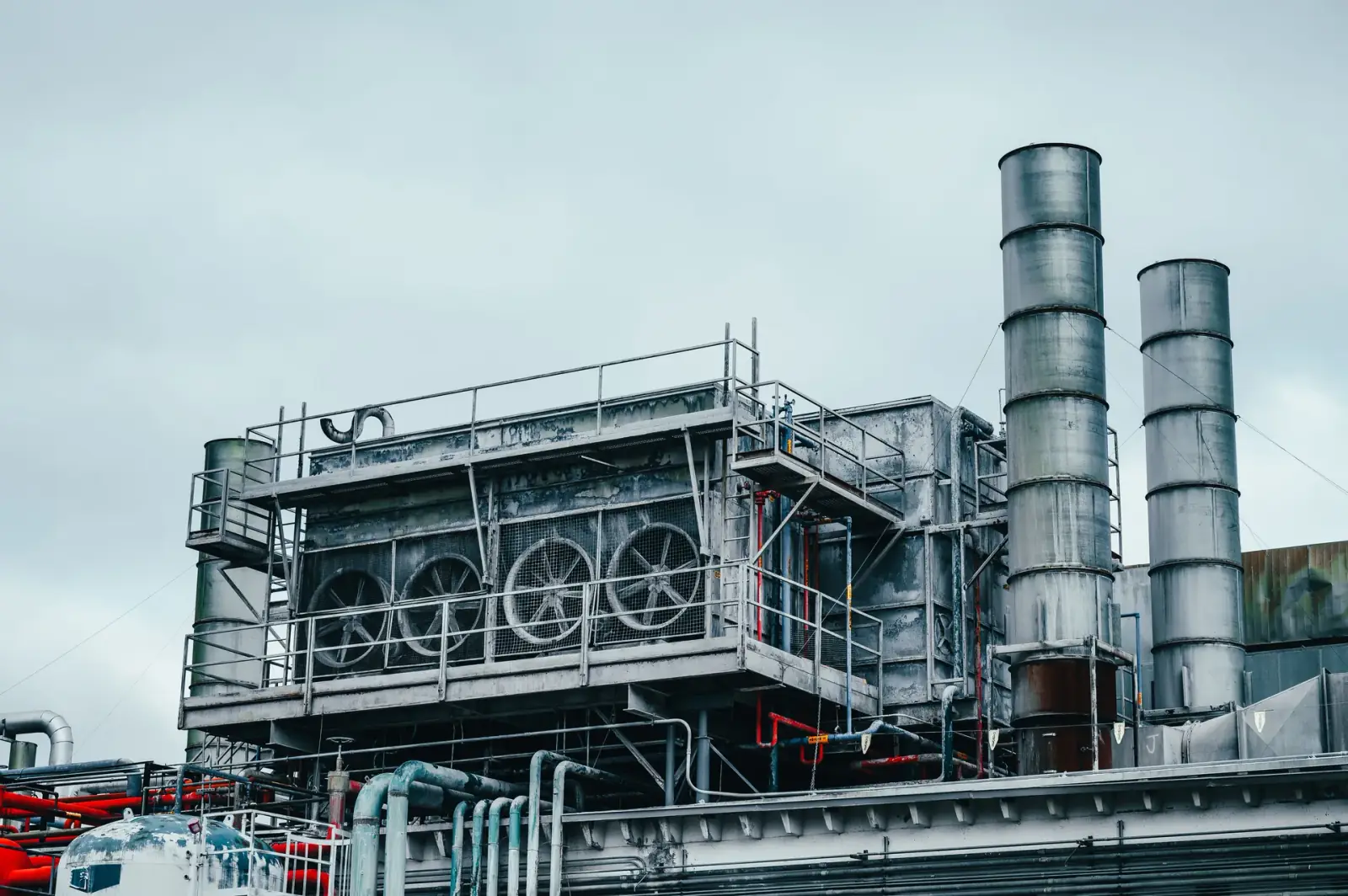
Power is the single most critical (and expensive) input for data centre operations, and Konza's power infrastructure is designed with this in mind:
- Dedicated substation: A purpose-built substation within the Technopolis, designed to handle the high power loads required by data centres and other technology operations
- Dual-feed redundancy: The substation is connected to the national grid via two independent feed lines, providing N+1 redundancy at the utility level, a requirement for Tier III and above data centres
- Expansion capacity: The power infrastructure is designed with significant headroom for expansion, meaning new data centre tenants will not need to wait years for power upgrades
- Proximity to geothermal energy: Konza's location provides relatively straightforward access to Kenya's geothermal power resources from the Olkaria and Menengai fields via the national grid, supporting the growing demand for renewable energy-powered data centres
Fibre Connectivity
Data centres require multiple, diverse fibre connections for redundancy and performance. Konza is served by:
- Multiple fibre providers: Several licensed fibre network operators have connectivity to the site
- Proximity to submarine cable routes: While Konza is inland, its connectivity to Nairobi and Mombasa means it benefits from the multiple submarine cable systems landing at the Kenyan coast
- Interconnection to KIXP: Although the Kenya Internet Exchange Point (KIXP) is physically located in Nairobi, Konza-based data centres can peer via extended connectivity, ensuring efficient local traffic exchange
Confirmed and Prospective Investors
While no major data centre operator has publicly committed to building at Konza as of 2026, several factors suggest this is likely to change:
- Africa Data Centres (part of the Remgro group) has expressed interest in expanding its footprint beyond Nairobi, and Konza's infrastructure and incentives make it a logical candidate
- Liquid Intelligent Technologies (formerly Liquid Telecom) has been expanding its data centre presence across Africa and could view Konza as a strategic location
- International cloud providers exploring African expansion (including potential AWS, Google Cloud, and Azure local regions) may find Konza's purpose-built infrastructure and SEZ incentives attractive compared to building in congested urban areas
- The Kenyan government itself is a significant potential anchor tenant, as it digitises government services and seeks sovereign data hosting capabilities
Konza's Advantages Over Nairobi
Lower Land Costs
Land in Nairobi's commercial zones (particularly areas like Westlands, Upper Hill, and Industrial Area where existing data centres are concentrated) is among the most expensive in East Africa. Konza offers land at a fraction of Nairobi's commercial rates, a meaningful advantage for capital-intensive data centre projects where land acquisition can represent 5-15% of total project costs.
Purpose-Built Infrastructure
Nairobi's data centres operate within an urban environment where infrastructure was not designed for their specific requirements. Power capacity may need upgrading, fibre may need to be extended, and access roads may not be designed for heavy equipment. Konza's infrastructure is designed for the loads and requirements of technology operations, reducing both capital expenditure and development timelines.
Planned Redundancy
The Konza master plan incorporates redundancy in power, water, and connectivity from the outset. In Nairobi, achieving the same level of redundancy often requires costly and time-consuming infrastructure upgrades.
SEZ Tax Incentives
This is perhaps Konza's most significant competitive advantage. The Special Economic Zone (SEZ) designation provides:
- 10% corporate tax rate (compared to Kenya's standard 30%) for the first 10 years, with a potential 15% rate for the next 10 years
- VAT exemption on imported equipment, servers, and construction materials, a significant benefit given that most data centre equipment is imported
- Stamp duty exemption on land transactions within the SEZ
- Accelerated depreciation on capital assets, improving cash flow for capital-intensive operations
For a colocation data centre in Kenya investing KES 5-10 billion in infrastructure, these tax incentives can reduce the effective cost of operations by 15-25% over a decade, a difference that can be the deciding factor in location selection.
Pre-Handled Environmental Clearances
Environmental Impact Assessments (EIAs) and other regulatory clearances have been completed at the zonal level for Konza, meaning new data centre developments within the designated zones face a simplified approval process compared to greenfield developments elsewhere. This can shave months off development timelines.
The Challenges Konza Faces
Distance from Nairobi's Business District
At 60 kilometres from Nairobi's Central Business District, Konza is not a trivial commute. For data centre operations that require on-site staff 24/7, the distance creates challenges in talent attraction and retention. Many experienced data centre professionals currently live and work in Nairobi, and convincing them to relocate or commute to Konza requires significant incentives.
The standard-gauge railway connecting Nairobi to Konza (via the Athi River station) and the improved road network mitigate this to some extent, but the distance remains a psychological and practical barrier.
Limited Existing Ecosystem
Data centres benefit from agglomeration effects, the clustering of complementary businesses, service providers, and skilled workers. Nairobi has this ecosystem: network providers, equipment vendors, managed service providers, and a deep talent pool. Konza is building this ecosystem from scratch, and ecosystem development takes years, even with proactive effort.
Construction Delays and Execution Risk
Large-scale infrastructure projects in developing economies frequently experience delays due to funding constraints, political changes, procurement challenges, and construction logistics. Konza has already experienced delays relative to its original timeline, and potential data centre investors will be evaluating the project's execution track record carefully.
The Demand Question
The most fundamental challenge facing Konza's data centre ambitions is demand. Is there sufficient demand for additional data centre capacity in Kenya to justify building in a new, unproven location? Kenya's existing data centre supply in Nairobi is still growing to meet demand, and some analysts question whether the market can support a second significant data centre cluster.
Proponents argue that Konza's lower costs and SEZ incentives will create demand that would not otherwise exist, attracting international companies that would not have considered Kenya without the specific advantages Konza offers. Detractors counter that the market is not yet large enough and that concentrating investment in Nairobi's existing cluster would be more efficient.
Comparing Konza to Other African Tech Cities
Rwanda's Kigali Innovation City
Kigali Innovation City is a smaller, more focused project than Konza. Located on 61 hectares in Kigali, it aims to create an innovation hub with a strong emphasis on technology education, research, and incubation. Rwanda's stable governance, ease of doing business, and strategic positioning as a conference and tech hub have attracted significant international attention.
Compared to Konza, Kigali Innovation City benefits from Rwanda's smaller, more agile government and strong international partnerships, but is constrained by Rwanda's smaller market size and lack of submarine cable landing infrastructure.
Nigeria's Eko Atlantic City
Eko Atlantic City in Lagos is a much larger, commercially-driven development that aims to create a new financial and business district on reclaimed land adjacent to Victoria Island. While not specifically a technology city, Eko Atlantic is attracting technology companies and data centre operators due to its modern infrastructure and proximity to Nigeria's massive market.
Eko Atlantic's model is more market-driven than Konza's government-led approach, which brings both advantages (faster commercial development) and disadvantages (less strategic coherence).
Ethiopia's ICT Park
Ethiopia's ICT Park in Addis Ababa is a government-led industrial park focused on IT outsourcing, business process outsourcing, and technology manufacturing. It has attracted some international BPO operators but has faced challenges related to Ethiopia's regulatory environment, foreign exchange constraints, and political instability.
Konza's advantage over the Ethiopian model lies in Kenya's more liberalised telecom sector, stronger private sector participation, and established reputation as a technology leader in East Africa.
What Konza's Success or Failure Would Mean
The implications of Konza's trajectory for Kenya's data centre industry are significant in either scenario:
If Konza Succeeds
A successful Konza Technopolis with multiple operational data centres would:
- Validate Kenya's Vision 2030 strategy and attract further investment in the country's digital infrastructure
- Create a second data centre cluster that reduces concentration risk and provides geographic diversity for disaster recovery and business continuity
- Attract international operators who require purpose-built infrastructure and SEZ incentives
- Create a technology ecosystem that extends beyond data centres to include cloud services, AI development, fintech, and digital government services
- Position Kenya as the clear leader in East Africa's data centre market, ahead of competing markets in Tanzania, Uganda, and Rwanda
If Konza Struggles
If Konza fails to attract significant data centre investment, the implications would be more nuanced but still important:
- Nairobi's dominance would continue, with data centre development concentrated in the capital's existing commercial areas
- Investor confidence in government-led tech city projects across Africa could be affected
- The SEZ model for data centre development would face questioning, potentially slowing similar initiatives elsewhere
- Kenya would still benefit from the infrastructure investments already made at Konza, but the project would fall short of its transformative ambitions
Conclusion
Konza Technopolis represents Kenya's most ambitious bet on its digital future. For the data centre industry, it offers a compelling combination of purpose-built infrastructure, significant tax incentives, and a strategic vision that aligns with the country's growth trajectory. The challenges (distance, ecosystem development, execution risk, and demand uncertainty) are real but not insurmountable.
The next five years will be decisive. As Phase 1 infrastructure matures and the first major tenants establish operations, the market will determine whether Konza can deliver on its promise as a colocation and cloud infrastructure hub that complements and extends Kenya's data centre ecosystem beyond Nairobi.
For data centre operators, investors, and technology companies watching Kenya's market, Konza is a development that deserves close attention. The project's trajectory will shape not just where data centres are built in Kenya, but the country's ability to maintain its position as East Africa's leading digital economy.
Frequently Asked Questions
What is Konza Technopolis and how does it relate to data centres?
Konza Technopolis is a 5,000-acre smart city project located 60km south of Nairobi, conceived under Kenya's Vision 2030 to create a world-class technology hub. The development includes designated land for data centre construction, with purpose-built power infrastructure (dedicated substation), redundant fibre connectivity from multiple providers, and Special Economic Zone status offering 10% corporate tax rate. These features are specifically designed to attract data centre operators and cloud service providers.
What tax incentives does Konza offer for data centre operators?
Konza Technopolis has been designated as a Special Economic Zone (SEZ), which provides several significant tax incentives: a reduced corporate tax rate of 10% (compared to Kenya's standard 30%), exemption from VAT on imported equipment and construction materials, exemption from stamp duty, and accelerated depreciation on capital assets. For capital-intensive data centre operations where equipment costs can exceed tens of millions of dollars, these incentives can substantially improve the investment case.
What infrastructure is already in place at Konza Technopolis?
As of the latest Konza Technopolis Development Authority (KoTDA) reports, Phase 1 infrastructure includes: completed road networks within the core area, a dedicated power substation with dual-feed capability, fibre optic connectivity from multiple providers including Kenya Electricity Transmission Company (KETRACO), water and sewerage systems, and the Konza Technopolis Smart City Basic Infrastructure. The Phase 1A area, which includes the Konza Technopolis Complex building, is operational.
How does Konza compare to Nairobi for data centre development?
Konza offers several advantages over Nairobi: significantly cheaper land (a fraction of Nairobi's commercial real estate costs), purpose-built infrastructure designed for technology companies, planned redundancy in power and connectivity, pre-handled environmental clearances, and SEZ tax incentives. However, Nairobi has the advantage of an established business ecosystem, proximity to customers, existing fibre interconnection points like KIXP, and a larger pool of skilled workers. The two locations are likely to serve different market segments.
How does Konza compare to other African tech city projects?
Konza is often compared to Rwanda's Kigali Innovation City (a smaller, more focused project with strong government backing), Nigeria's Eko Atlantic City in Lagos (a larger, more commercially-driven development), and Ethiopia's ICT Park in Addis Ababa (a government-led industrial park focused on IT outsourcing). Konza is distinguished by its scale (5,000 acres), its explicit focus on becoming a technology and science hub, and its integration with Kenya's broader Vision 2030 development strategy.