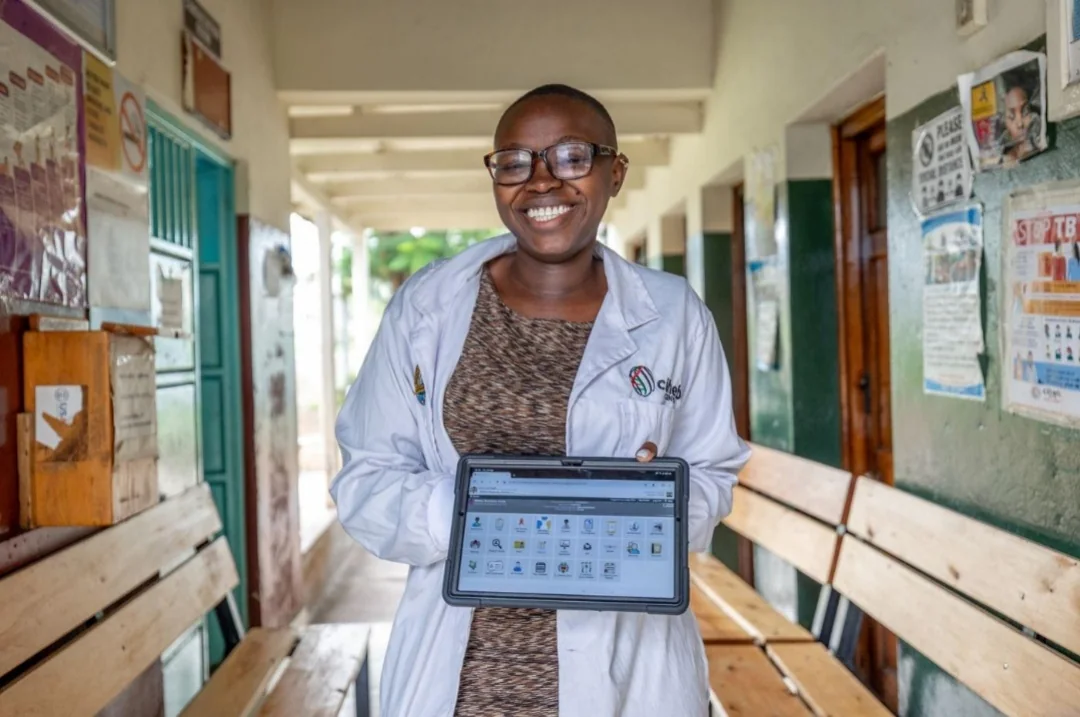
Paratus Kenya has completed a connectivity assessment of 160 public healthcare facilities in Kisumu County, conducted with the county government, to map the gaps standing between the facilities and digital health services: electronic records, Social Health Authority claims processing and telemedicine. The assessment itself changes nothing on the ground yet. Its significance for the data centre market lies one layer up the stack, because every one of those services depends on hosting and compute capacity that today sits in facilities like iXAfrica's Nairobi campus.
From the Clinic to the Cloud
A digital health service is a chain, and the assessment addresses its first link. A facility needs a working connection and equipment; staff need working systems; records and claims then travel across networks to the application and hosting environment that processes them. Paratus says its Paratus Cloud platform is hosted at iXAfrica Data Centres in Nairobi, with its Essential Access service, powered by Starlink satellite capacity, covering the facility side.
| Layer | What the Kisumu initiative uses | What it depends on |
|---|---|---|
| Health facility | 160 public facilities assessed | Local equipment, power, trained staff |
| Access network | Essential Access, powered by Starlink | Satellite capacity, siting, service levels |
| Cloud and hosting | Paratus Cloud at iXAfrica Nairobi | Facility power, cooling, uptime |
| Services | Records, SHA claims, telemedicine | Applications, support, adoption |
Two different infrastructure products meet in that table. Satellite access reaches places terrestrial fibre reaches slowly or expensively, which is the same property that makes Starlink a backup option for Kenyan data centres. Hosted cloud in Nairobi, meanwhile, is only as good as the facility it runs in, which is why the iXAfrica campus matters to this story even though it sits 350 kilometres from Kisumu.
What the Workloads Actually Demand
The three services named in the initiative stress the chain differently. Digital records are bursty and interactive: staff read and write patient data through the day, and a slow or dropped connection turns a two-minute lookup into a queue. SHA claims processing is transactional and deadline-bound, since facilities' cash flow depends on submissions going through. Telemedicine is the most demanding, adding sustained video and the latency sensitivity that comes with it.
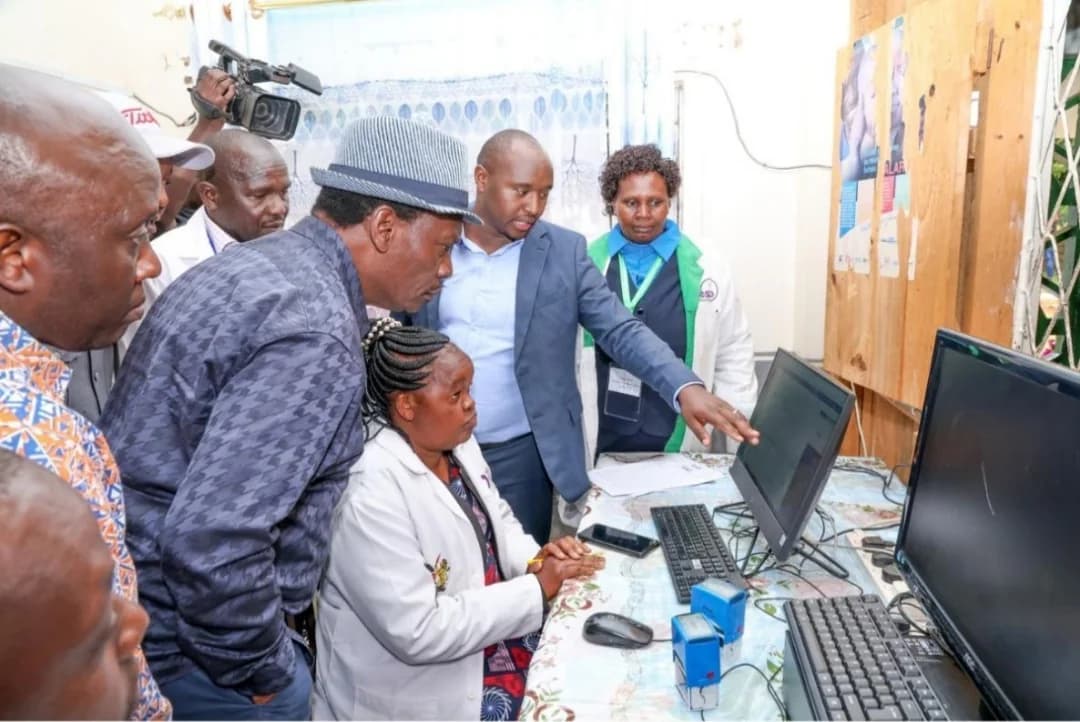
None of these workloads is heavy by data centre standards. The demand story is about volume of sites and reliability rather than megawatts: hundreds of facilities generating steady, latency-sensitive traffic that has to land somewhere, be stored somewhere, and comply with health data rules. Patient data is personal data, so Kenya's Data Protection Act shapes where that somewhere can be. That residency requirement is what turns a health connectivity programme into potential demand for in-country facilities rather than offshore hosting.
Building on Murang'a, and What Would Prove It
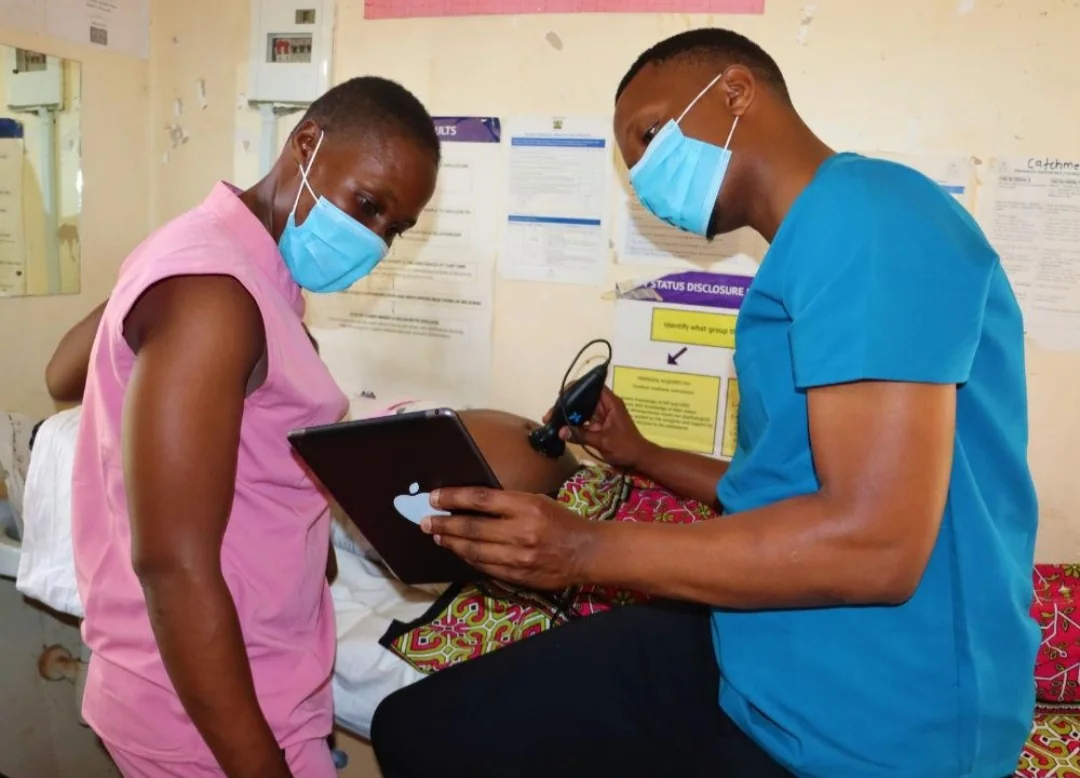
Kisumu follows Paratus's earlier county programme in Murang'a, where the company says it connected 170 healthcare facilities through Essential Access. Two counties do not make a national programme, but the repeat pattern is the interesting part: the same connectivity-plus-hosted-cloud package being rolled out county by county, each one adding facilities whose digital services depend on hosted infrastructure.

The honest read is that an assessment is a starting line. What would demonstrate the demand story in practice: how many of the 160 facilities get working connections, what uptime and throughput the service levels actually hold, whether records and claims systems see real daily use, and what portion of the hosting load lands at iXAfrica rather than offshore. Those numbers would also show whether the model needs more than one cloud location to serve the western regions well.
Why This Belongs on a Data Centre Radar
Data centre coverage in Kenya tracks supply well and demand poorly. Stories like this one are the demand side made visible: public sector digitisation, facility by facility, creating steady traffic and residency-bound data that has to be hosted in-country. The K2M fibre route Paratus brought live to Mombasa and assessment work like Kisumu's are complementary halves of the same market forming.
What DC254 Will Watch
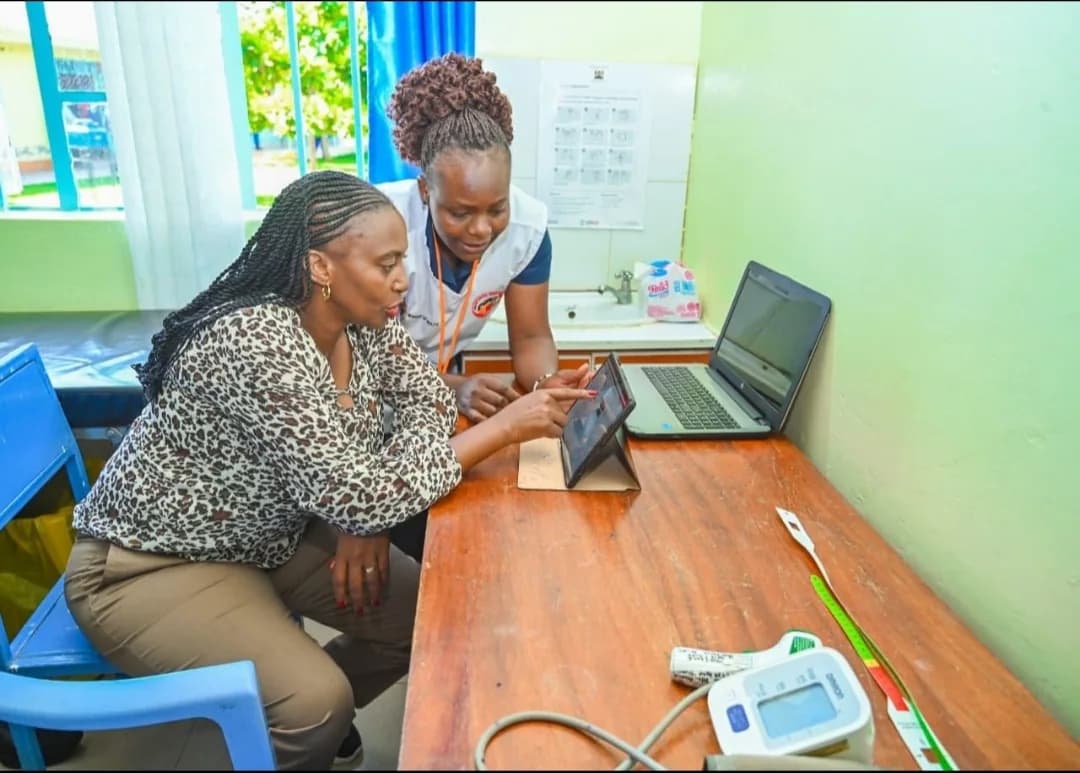
- Coverage. How many of the 160 facilities receive working connections, and on what timeline.
- Service levels. Uptime, throughput and support response actually delivered against the assessment's findings.
- Adoption. Whether records, SHA claims and telemedicine see daily clinical use rather than pilots.
- Hosting split. How the workload divides between iXAfrica-hosted cloud and other locations, and what that means for residency compliance.
- County replication. Whether the model extends to more counties, and under whose budget.
The data centre story does not end at the facility gate. It runs through the access networks, the hosted cloud and the county offices where the services are used, and Kisumu is one of the clearest views of that chain Kenya has produced yet.