What Was Signed
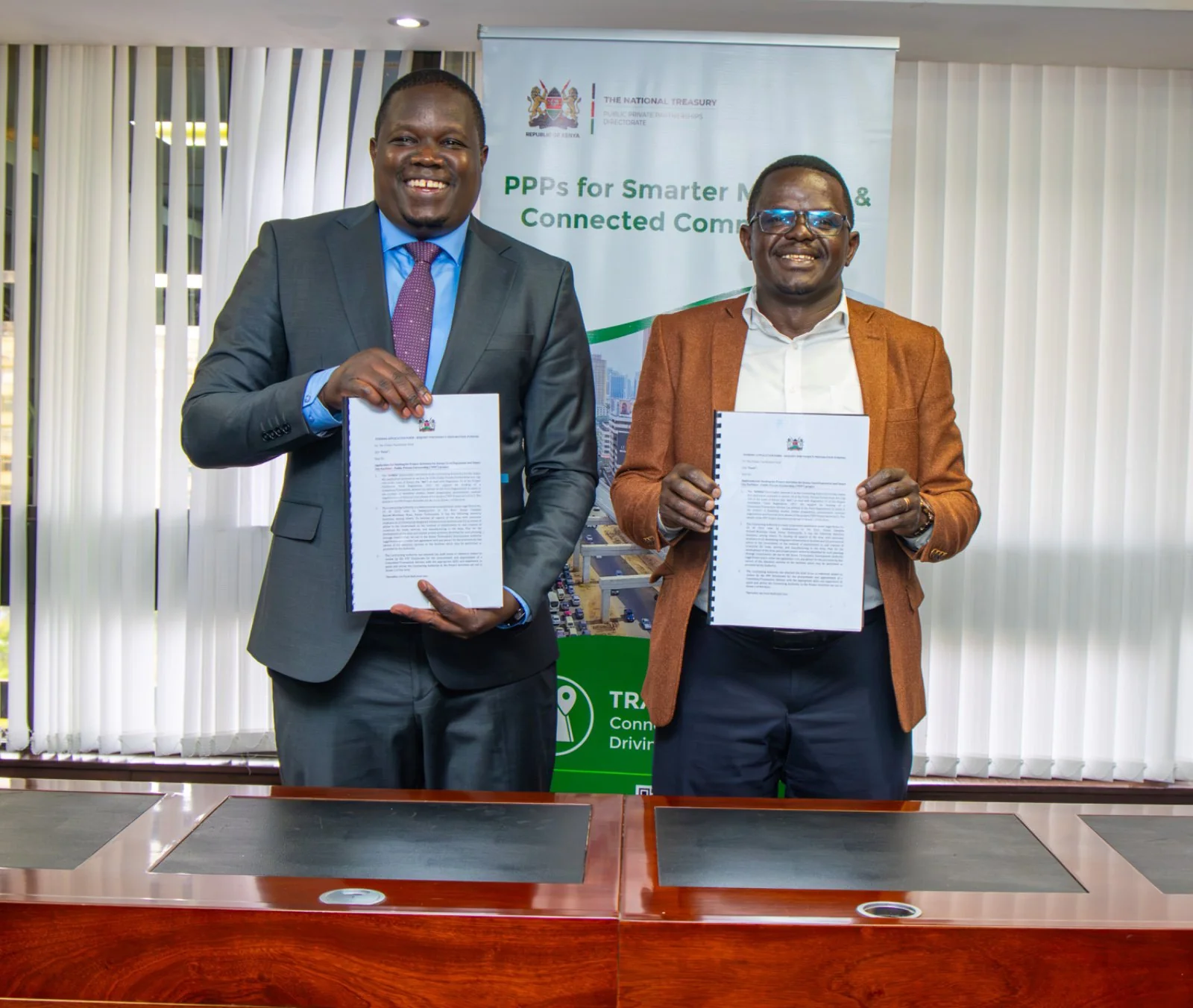
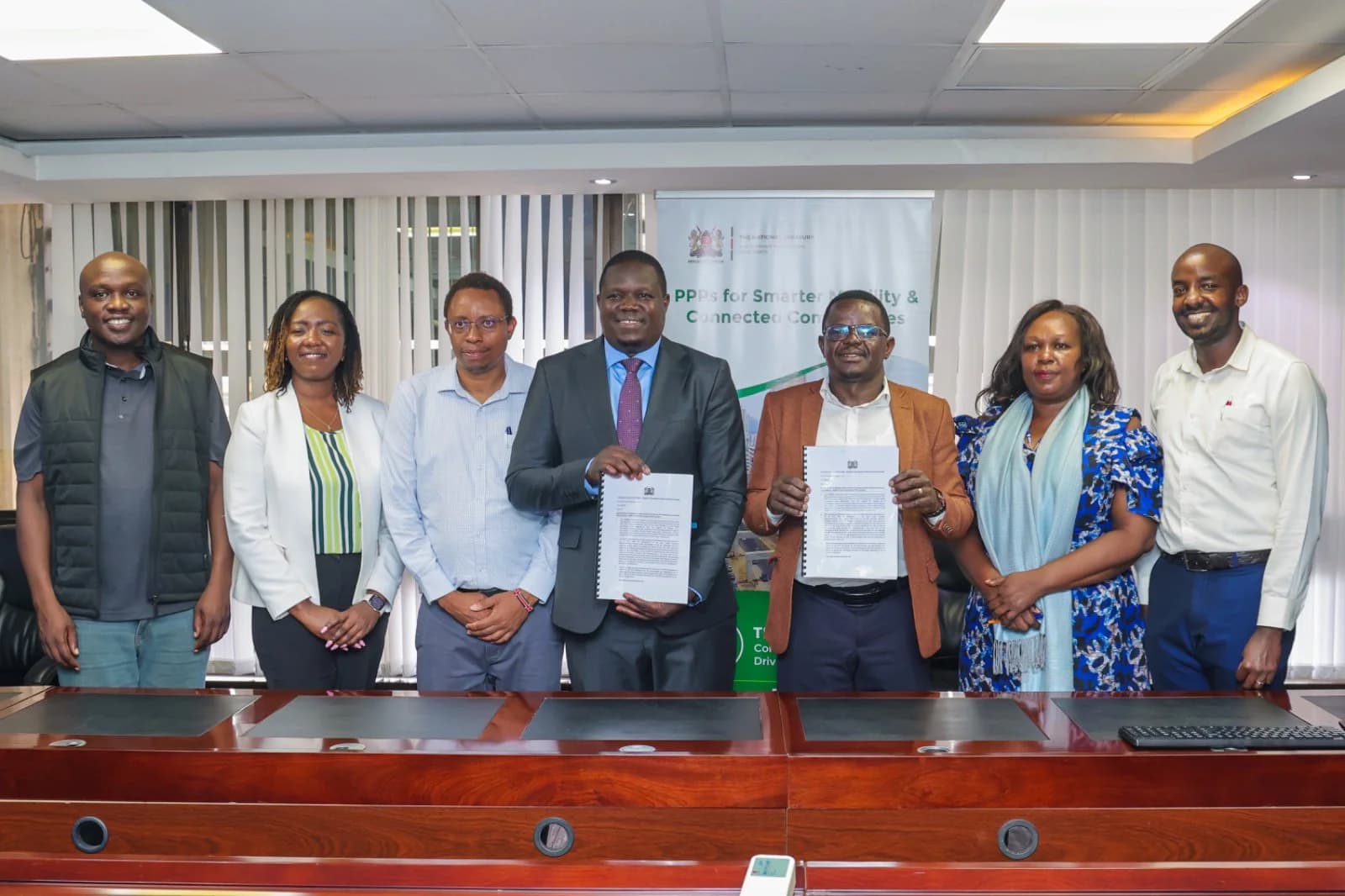
Kenya's National Treasury, through the Public-Private Partnerships Project Facilitation Fund, has signed a funding agreement with the Konza Technopolis Development Authority (KoTDA) to move a data centre expansion into active project preparation. The agreement, reported on 23 October 2026, was signed by KoTDA chief executive John Paul Okwiri. It covers the project known in Kenya's PPP pipeline as the Konza Cloud Expansion and Smart City Facilities.
The money does not build anything. It pays for the work that comes before a shovel moves: transaction advisory services, feasibility assessments, and the development of an investment and implementation framework. The PPP Directorate's own announcement describes the funding as support for project preparation, including the engagement of a transaction advisor to structure the project for market engagement.
That distinction matters more than it may look. Data centre announcements in this region routinely blur the line between a signed construction contract and an early preparation step. This is firmly the second kind, and reading it correctly is the difference between a market signal and wishful thinking.
What Preparation Funding Actually Buys
Kenya's PPP framework moves a project through defined stages: identification, preparation, procurement, and finally financial close followed by construction. The Project Facilitation Fund exists because the early stages cost real money before any investor is attached. Advisory fees, feasibility studies and legal structuring all fall due while the project still belongs entirely to the state.
For the Konza expansion, the agreement covers three things:
- Transaction advisory: engaging a qualified advisor to design the commercial structure, draft tender documents, and run the procurement that brings private bidders to the table
- Feasibility assessment: testing whether the expansion makes sense technically and financially, at what scale, and on what commercial terms
- Investment and implementation framework: the document set that tells prospective bidders how the project would be contracted, paid and governed
Only after that work lands does the project go to market. If it reaches financial close, private capital funds the build under a PPP contract. If the feasibility or the market engagement fails, the project stays a pipeline entry, which is where several Kenyan PPP projects have historically stalled.

The Paper Trail Behind This Project
The funding agreement is the latest entry in a procurement history that goes back years. The public record:
| Date | Milestone | Where it is recorded |
|---|---|---|
| Jun 2017 | Commercial contract with Huawei signed for the original Konza data centre and smart city scope | AidData loan record |
| Apr 2019 | China Eximbank approves an RMB 1.225 billion (about KSh 17 billion) concessional loan | AidData; DataCenterDynamics |
| Feb 2020 | Uptime Institute Tier III Design certification for the national data centre | Uptime Institute directory |
| 2020 | Transaction advisory tender for the Konza Cloud Expansion and Smart City Facilities already in circulation | National Treasury PPP Directorate documents |
| Aug 2022 | Tier III Constructed Facility certification; the national data centre goes live | Uptime Institute directory |
| Nov 2025 | Feasibility study report for the cloud expansion completed | Executive summary published on konza.go.ke in April 2026 |
| 17 Mar 2026 | Pre-bid meeting held for the transaction advisor tender | Tender notice |
| Oct 2026 | PPP Project Facilitation Fund funding agreement signed | TechAfrica News; PPP Directorate |
Two things stand out. First, the expansion has been in the PPP pipeline since at least 2020, and the tender documents were updated several times before the funding agreement finally landed. That history is a fair warning about pace. Second, the feasibility work is not theoretical: a 21-page executive summary on konza.go.ke describes a facility offering SaaS, PaaS, IaaS and colocation services, with a sustainability and operations plan attached.
How the First Konza Data Centre Was Financed
The operating facility at Konza, tracked by DC254 as the Konza National Data Centre, was not built through a PPP. It was financed by the RMB 1.225 billion concessional loan from China Eximbank, signed in April 2019 with a 19.5-year maturity, a 2 percent fixed rate and a seven-year grace period. Huawei held the underlying commercial contract, signed in June 2017, and delivered the facility as contractor.
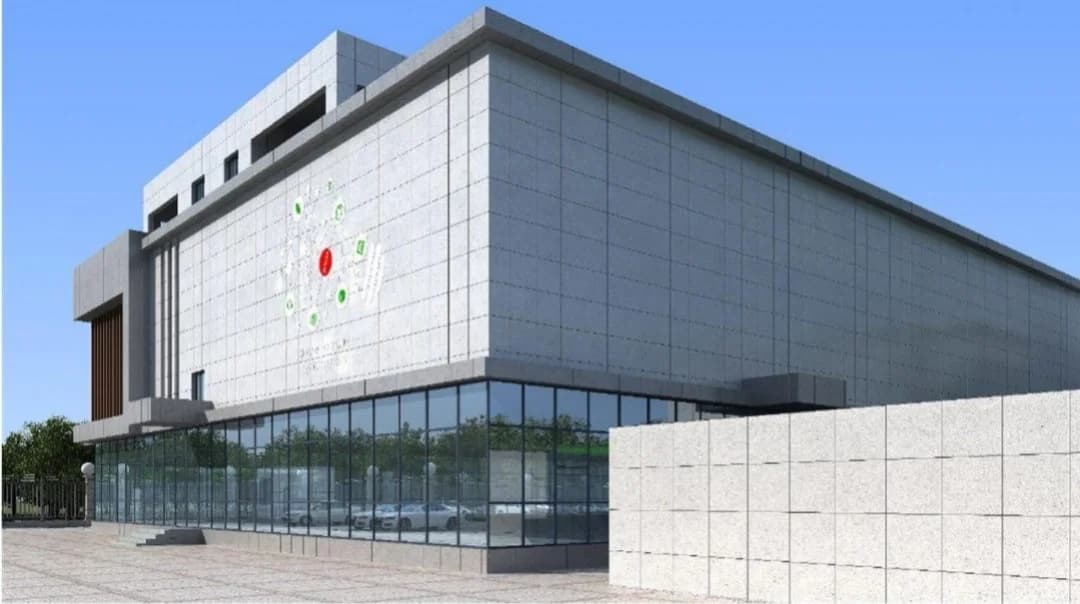
That facility carries a Uptime Institute Tier III Constructed Facility certification dated 23 August 2022, has around 140 racks, and primarily serves government workloads. The loan's grace period ended in March 2026, so repayment obligations now sit on the government's books for the facility the loan built.
The expansion takes a different route. Rather than a bilateral loan with a named contractor, KoTDA is structuring the expansion so private bidders compete to finance and deliver it. The state brings the site, the existing facility and the anchor demand. The market brings the capital.
What the PPP Route Changes
Three differences are worth watching.
Competition instead of appointment. The Huawei build was a single-contractor arrangement inside a government-to-government loan. A PPP procurement, by design, puts the project in front of multiple bidders. If the transaction advisor's process works as intended, operators and investors already active in Nairobi get to price the expansion competitively.
Commercial discipline on the demand case. A feasibility study that has to survive market engagement is a harder test than an internal plan. The executive summary's colocation ambition will be tested against a real question: does government demand plus Konza's SEZ incentives justify private capital 60 kilometres from Nairobi's cluster? Konza's wider offer is covered separately on this site.
A published reference point. Because the PPP process runs through documented stages, the expansion now has public milestones to be held against: the advisor award, the market engagement documents, and eventually the contract and financial close terms. Facilities built inside bilateral loan agreements rarely publish that much.
How DC254's Tracker Reads It
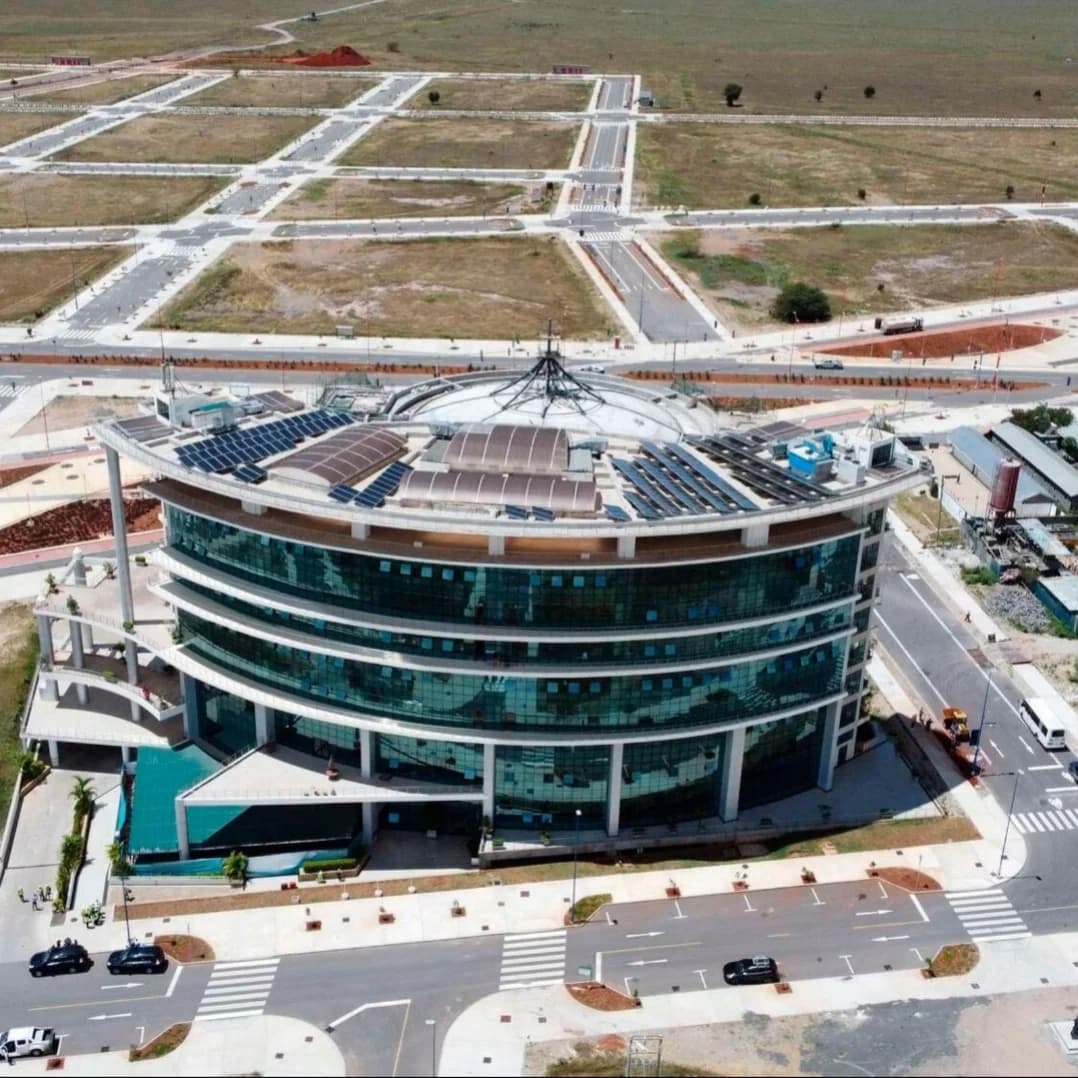
DC254 has added the expansion to the directory as its own record: Konza Cloud Expansion and Smart City Facilities (PPP), status Early Stage, verified October 2026. The operating facility keeps its existing record unchanged.
The stage language is deliberate. Early Stage means a project exists in documents, with a sponsor and preparation funding, but has no operator, no published capacity and no financial close. The record moves to Committed when a PPP contract is signed and financed, to Under Construction on groundbreaking, and to Operational on certified delivery. Capacity fields stay empty until a figure is published; the tracker does not guess.
What Would Move the Needle
Four markers to watch over the next 12 to 18 months:
- Transaction advisor award. The tender has been live since before March 2026. An award would signal the preparation funding is being spent as intended.
- Published feasibility detail. The executive summary is public; the full report's scale assumptions are not. Any disclosed MW figure would be the first capacity number for the expansion.
- Market engagement documents. The structure KoTDA and its advisor take to bidders will show whether the project is scoped around government cloud, commercial colocation, or both.
- Financial close. The single biggest gate. Until a PPP contract is signed and financed, the expansion remains a pipeline project.
What the Public Record Still Does Not Say
Three gaps matter for anyone assessing this announcement. No contract value for the funding agreement has been published. No capacity figure, in MW or racks, exists in the public documents DC254 reviewed. And no construction timeline has been given, which is unsurprising at this stage but worth stating plainly.
DC254 has reviewed the feasibility executive summary, not the full report. The summary describes services and a sustainability plan; it does not settle the demand or scale questions. This article describes the project's stage as the documents support it: ready to move into procurement, with everything after that unproven. Readers weighing Kenya's wider compute ambitions should pair it with the compute hub plan explainer and the data sovereignty context that underpins government demand.
Frequently Asked Questions
What is the PPP Project Facilitation Fund?
It is a National Treasury fund that pays for project preparation under Kenya's PPP Act 2021. It covers transaction advisory, feasibility studies and structuring costs that fall due before any private investor attaches to a project. The fund exists so government can move pipeline projects to a market-ready state at public cost rather than stalling at the idea stage.
Does the funding agreement mean construction is starting at Konza?
No. The agreement pays for preparation: transaction advisory services, feasibility assessments and the development of an investment and implementation framework. Construction would only follow after the project goes to market, a private partner is selected through procurement, and the PPP contract reaches financial close.
What is the Konza Cloud Expansion and Smart City Facilities project?
It is the PPP project to expand the existing national data centre at Konza Technopolis. Its feasibility documentation scopes services including SaaS, PaaS, IaaS and colocation. The project has been in Kenya's PPP pipeline since at least 2020, with a feasibility study report completed in November 2025 and a transaction advisor tender in progress since before March 2026.
How was the existing Konza National Data Centre financed?
Through a concessional loan of RMB 1.225 billion (about KSh 17 billion) from China Eximbank signed in April 2019, with Huawei as contractor under a commercial contract signed in June 2017. The facility holds a Uptime Institute Tier III Constructed Facility certification from August 2022, has around 140 racks, and primarily serves government workloads.
How big will the Konza expansion be?
No capacity figure has been published. Neither the funding agreement announcement nor the feasibility executive summary discloses a MW or rack target for the expansion. DC254's tracker keeps the record's capacity fields empty until a figure appears in official documents.