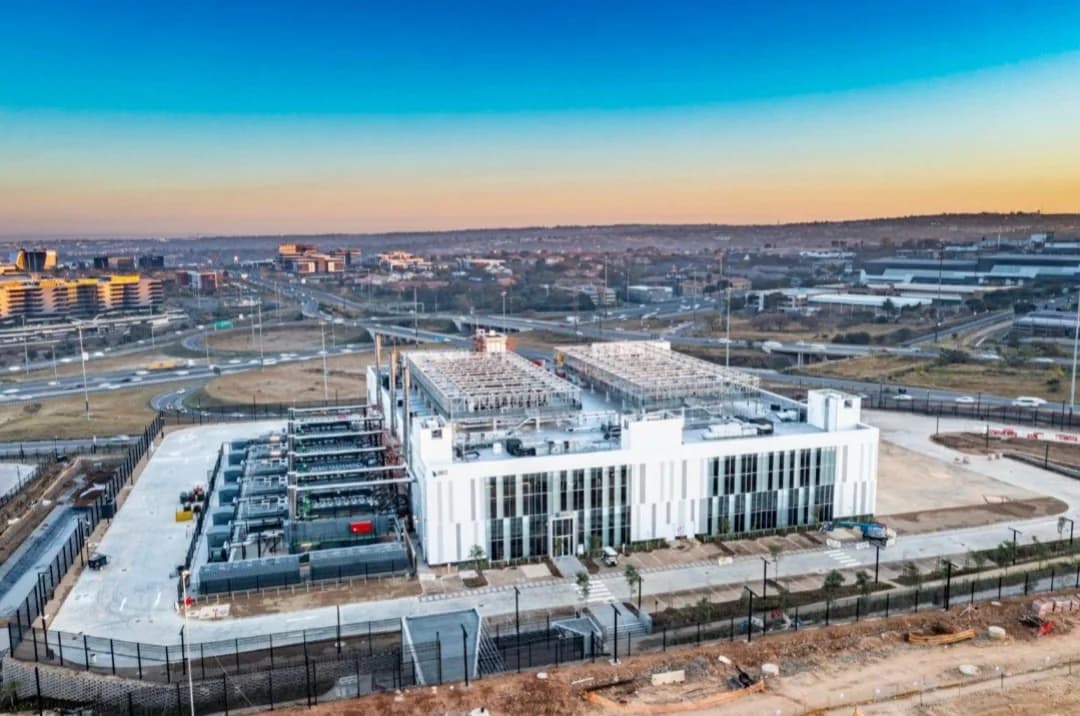
Infragora Global Capital, a South African infrastructure investment firm, is preparing two AI-ready data centres in Nigeria worth a reported $650 million to $1 billion, and its feasibility paperwork at the US Trade and Development Agency names Kenya among the markets earmarked for the platform's next phase. The announcement matters for two reasons: the scale of capital being pointed at African AI compute, and the disciplined way the project separates what exists from what is merely planned. As of today, nothing in the AFRIDATA platform is operational anywhere.
What the USTDA Filing Actually Says
The US Trade and Development Agency has approved a $1.87 million grant for a feasibility study, not a construction programme. The study covers two Nigerian facilities: a primary data centre in Lagos State, planned as an AI-ready, cloud-enabled Tier IV facility, and a secondary site in Delta State, a Tier III or IV facility designated for disaster recovery.
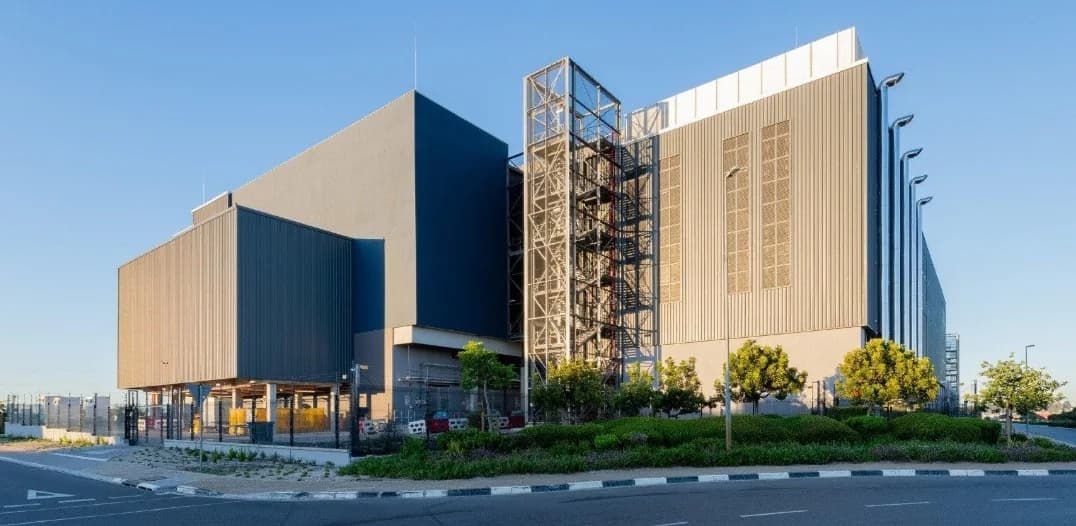
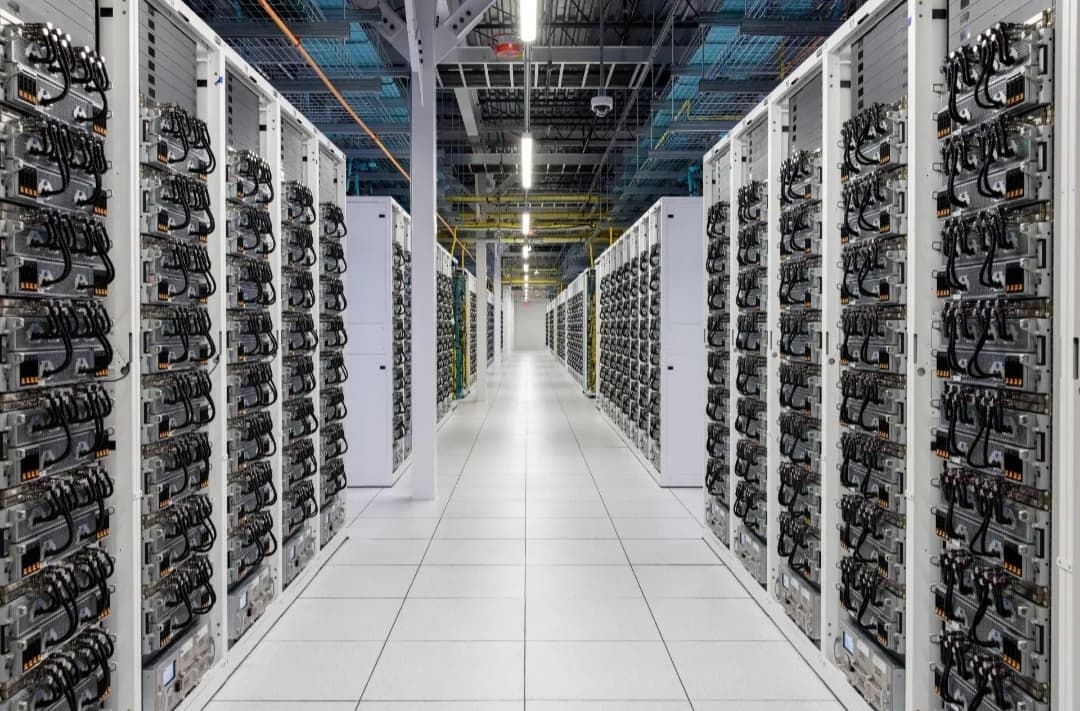
The capacity maths in the filing is specific. The study assesses 60-70 MW of combined initial capacity, with room to expand to a combined 100 MW. That floor space would hold 3,600 traditional 10 kW racks for CPU servers and 480 racks of 50 kW each for the GPU workloads AI training and inference require. The TechCabal report that broke the story frames the total investment at $650 million to $1 billion, with construction targeted for the second and third quarters of 2027, subject to financial close.
| Element | Detail | Status |
|---|---|---|
| Initial capacity | 60-70 MW combined, expandable to 100 MW | Stated in USTDA study scope |
| Rack mix | 3,600 x 10 kW CPU racks, 480 x 50 kW GPU racks | Stated in USTDA study scope |
| Lagos site | Tier IV, AI-ready, cloud enabled | Planned |
| Delta State site | Tier III/IV, disaster recovery role | Planned |
| Investment | $650m-$1bn | Reported (TechCabal) |
| Dedicated power | 160-200 MW gas and renewables IPP | Reported (TechCabal) |
| USTDA funding | $1.87m grant for the study only | Confirmed |
| Operational capacity | None, anywhere on the platform | Current fact |
Why the Power Plan Deserves the Attention
The reported power arrangement is the part of this story with the most direct Kenyan relevance. TechCabal reports plans for an independent power plant of 160-200 MW running on gas and renewable energy with battery storage, feeding 80-100 MW to the data centres initially. A project that secures its own generation is answering the question that stalls most African data centre proposals: where the electricity comes from, at what cost, and with what reliability.
That is the same logic behind Amaco's HERCULES proposal for Mombasa, which plans a floating power barge because AI at scale is a power story before it is a software story. It is also why the Microsoft-G42 project in Kenya was designed around Olkaria's geothermal, and why its delays over commercial arrangements, including reported disagreements about payment guarantees for capacity, are worth studying. Investors who solve power early still struggle to close; investors who ignore power rarely get that far.
Kenya's Place on the Roadmap
The USTDA filing states that Infragora is planning AFRIDATA special purpose vehicles in Angola, Cameroon, Cote d'Ivoire, Egypt, Ghana, Kenya and South Africa, with Infragora offices in the United Kingdom and the United States. Nigeria comes first. Kenya's name on that list is a signal worth tracking, and it is worth tracking precisely because it is only a signal.
No Kenyan project company has been announced. No site has been identified, no capacity has been proposed for a local facility, and no timeline exists beyond the continental ambition. The questions that would move Kenya from a name on a roadmap to a project on the ground are practical ones: who registers locally, where the facility sits, what capacity is proposed, how it would be powered, and which customers anchor the demand. Until those answers exist, Kenya's inclusion describes intent, not infrastructure.
For a country already running a national compute hub plan, a serious new capital entrant is a competitive development rather than a threatening one. Kenya's constraint has never been a shortage of announced ambition; it is the gap between announcement and delivery that previous capital commitments have had to cross.
Announced Money and Delivered Capacity Are Different Things
Africa's AI infrastructure pipeline now carries announcements from development lenders, hyperscalers, commercial operators and, with AFRIDATA, a dedicated platform investor. The World Bank's shared compute initiative and private builds sit side by side in the same headlines, and the totals sound enormous.
The discipline that keeps this coverage honest is stage separation. A feasibility study is not a financed project. A financed project is not a construction site. A construction site is not commissioned capacity, and commissioned capacity is not customers. AFRIDATA currently sits at the earliest end of that chain: a funded study for two sites, with financial close still ahead of it. Each later stage has claimed projects that never crossed it, which is why DC254 counts operational facilities separately from everything else.
What DC254 Will Watch
Five markers will show whether AFRIDATA moves from roadmap to reality:
- Financial close. Whether the Nigerian project secures implementation financing before construction targets slip past 2027.
- The delivered power plan. Whether the reported 160-200 MW IPP materialises, and under what generation mix and offtake terms.
- Feasibility outcomes. What the USTDA study concludes on bankability and product-market fit, and whether expansion beyond 70 MW survives contact with the market.
- The first SPV outside Nigeria. Which named market moves next, and whether Kenya's special purpose vehicle gets a site, a capacity figure and a timeline.
- Anchor demand. Which clouds, enterprises or governments commit offtake, because open-access capacity without tenants is a building, not a business.
The investment range is large and the ambition is continental, but neither builds a server hall. The next USTDA filing, financing update or site announcement will say more than the current headline total does. For Kenya, the number to watch is not the billions attached to the platform; it is the date a Kenyan project company files its first permit.