Data Centre Tier Ratings: Tier I to IV Explained
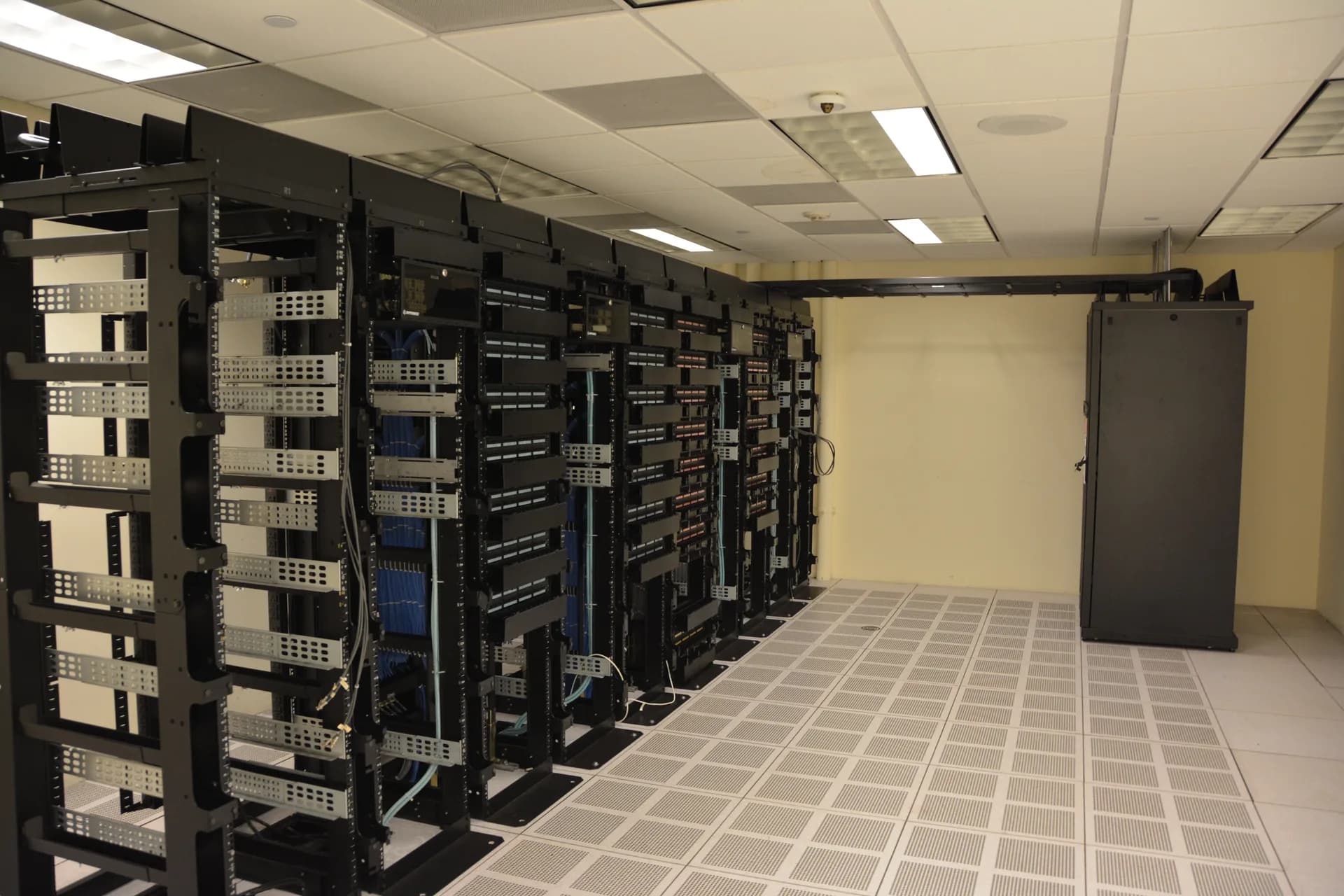
Tier I to IV ratings define data centre reliability from basic to fault-tolerant. Most Kenyan facilities target Tier III. What each tier means.
9 minAug 2026

THE FULL LIBRARY
Every Data Centre 254 article in one place — beginner guides, market analysis, connectivity, energy, policy and the physical systems inside the machine room. Grouped by topic.
105 articles · Updated Sept 2026
Tier I to IV ratings define data centre reliability from basic to fault-tolerant. Most Kenyan facilities target Tier III. What each tier means.
5G explained in plain language: what the G means, the full history from 1G to 5G, why each generation mattered in Kenya, and the 6G future.
Data centre security runs on three layers: physical access, network defences, and compliance frameworks like ISO 27001. How Kenyan facilities compare.
What a data centre SLA is, how 99.9% and 99.999% uptime guarantees translate to real downtime, and what Kenyan operators commit to.
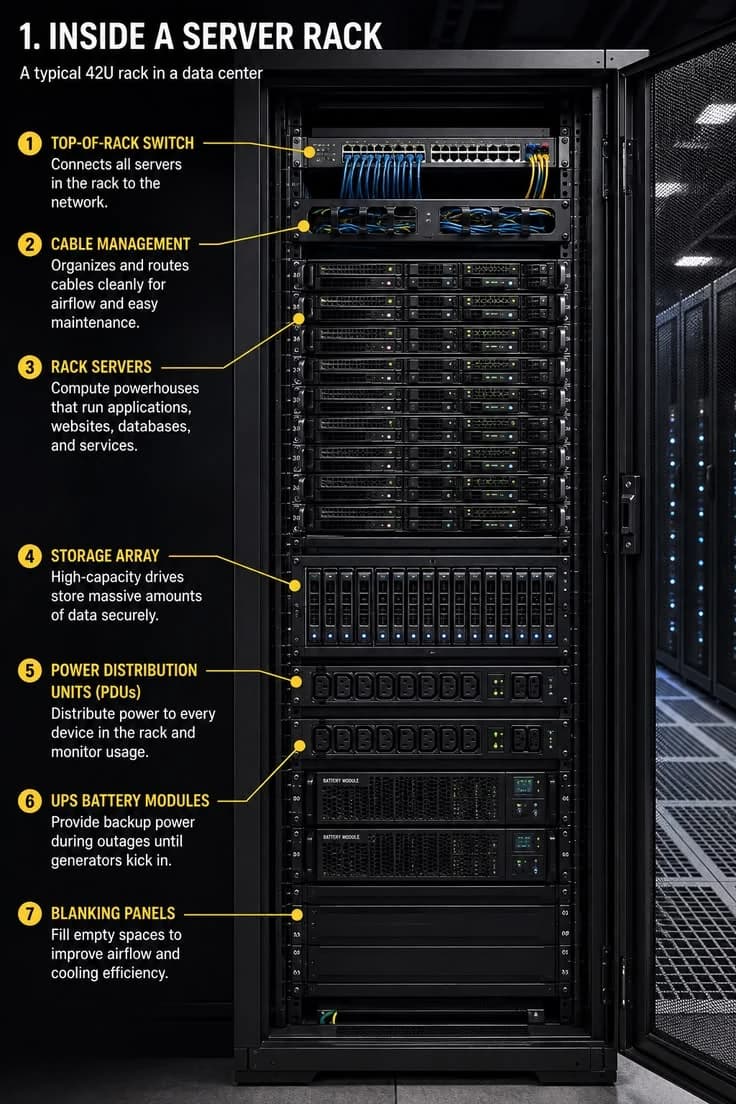
A server is a specialised computer that serves other computers over a network. The types, how they differ from PCs, and why they live in data centres.
Colocation lets you rent space, power, cooling, and connectivity in a professional data centre. How it works in Kenya and what it costs.
What hyperscale data centres are, how they differ from enterprise and colocation sites, and why Kenya has not yet attracted AWS or Google.
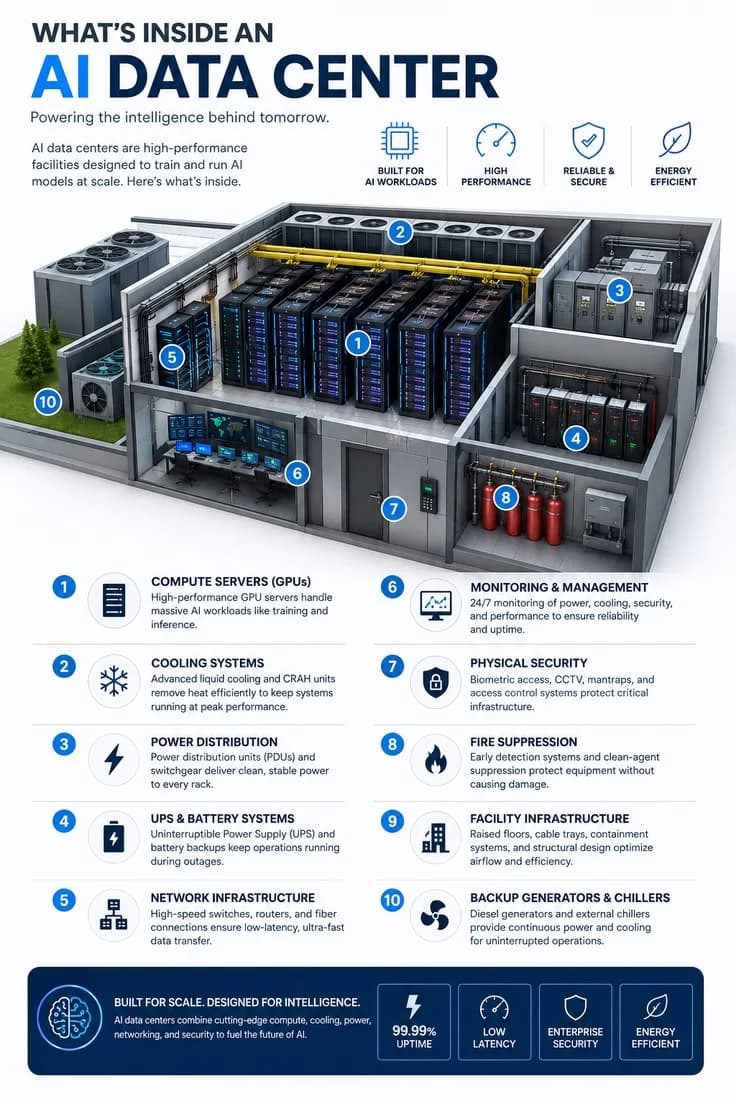
A data centre is a specialised building housing the computers behind every app, website, and digital service you use. How they work, explained.
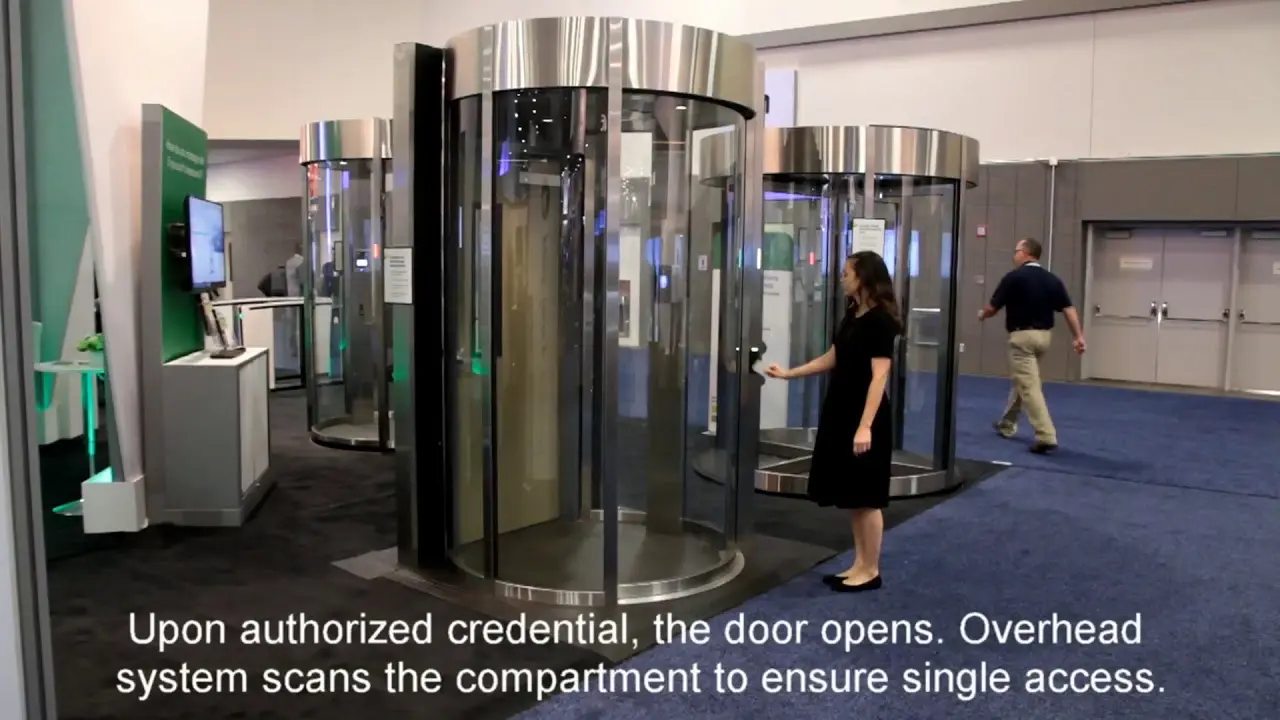
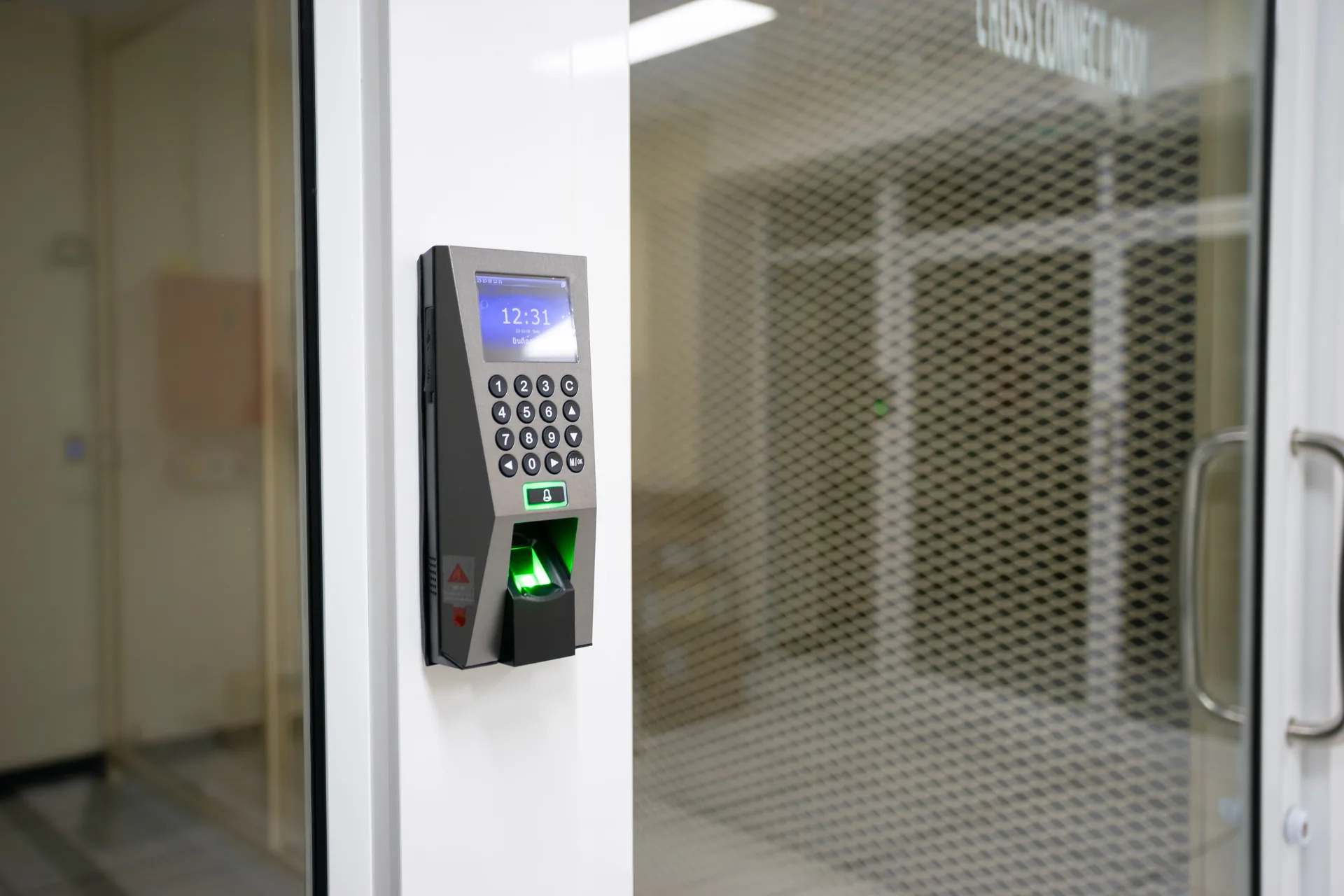
How Kenyan data centres stack physical defences: perimeter, guards, biometrics, mantraps, CCTV retention, rack locks and audit logs. What to verify on a site tour.
What ISO 27001 certification requires from a Kenyan data centre: the ISMS, the audit cycle, the physical controls, and how it maps to the Data Protection Act.
DDoS, ransomware, data harvesting, insiders and physical intrusion: the attack types that hit Kenyan data infrastructure, real examples, and the defences that work.
Digital Realty formally launched NBO2 in Nairobi on 7 September 2026. What the launch delivers: verified capacity, interconnection, ramping reality.
Where does M-Pesa actually run? Inside Safaricom's Waiyaki Way hub and the Red Hill campus in Limuru, and how they differ from carrier-neutral Kenya.
Colocation lets Kenyan banks, telcos and fintechs house critical systems without building. How Nairobi's carrier-neutral market works and how to choose.
Arizton's March 2026 forecast puts Kenya's data centre market at USD 266M in 2025 and USD 805M by 2031. We cross-check the numbers against the ground truth.
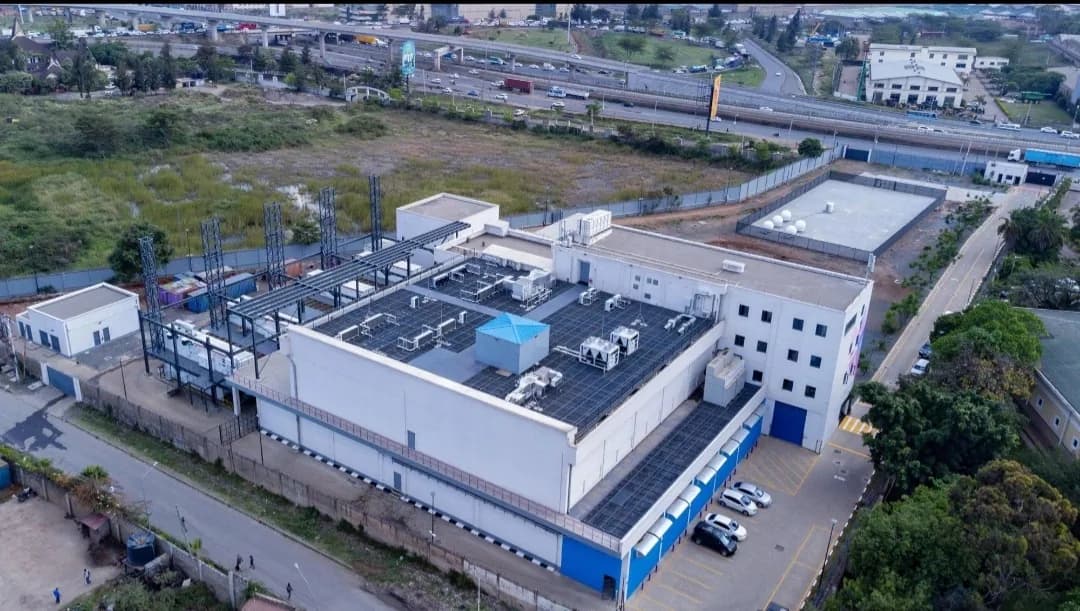
iXAfrica operates East Africa's first hyperscale, AI-ready data centre on Mombasa Road, Nairobi. Actis-backed NBOX1 targets 22.5 MW.
Submarine cables, renewable energy, skilled workforce, and growing capacity make Kenya East Africa's natural digital hub for 300 million people.
How to lease rack space in a Nairobi data centre: what Tier III means, which facilities are operational, what to check, and the questions to ask before signing.
Raxio and Africa Data Centres are both expanding in Kenya, but they stand at different stages today. A fact-checked, plain-English comparison for Kenyan buyers.
A Greek energy firm plans a $1.5 billion AI data centre in Mombasa with its own floating power plant. What is confirmed, what is not, and why it matters.
How Kenyan colocation is priced: per rack, per kilowatt, retail versus wholesale, what drives the bill, and honest benchmark ranges to judge quotes against.
Five realistic attack scenarios at a Kenyan data centre: how each unfolds, how fast anyone notices, who responds, and what tenants would actually feel.
Cable cuts, grid trips and floods are normal Kenyan events. A practical disaster recovery and business continuity playbook built for Kenyan conditions, not textbook ones.
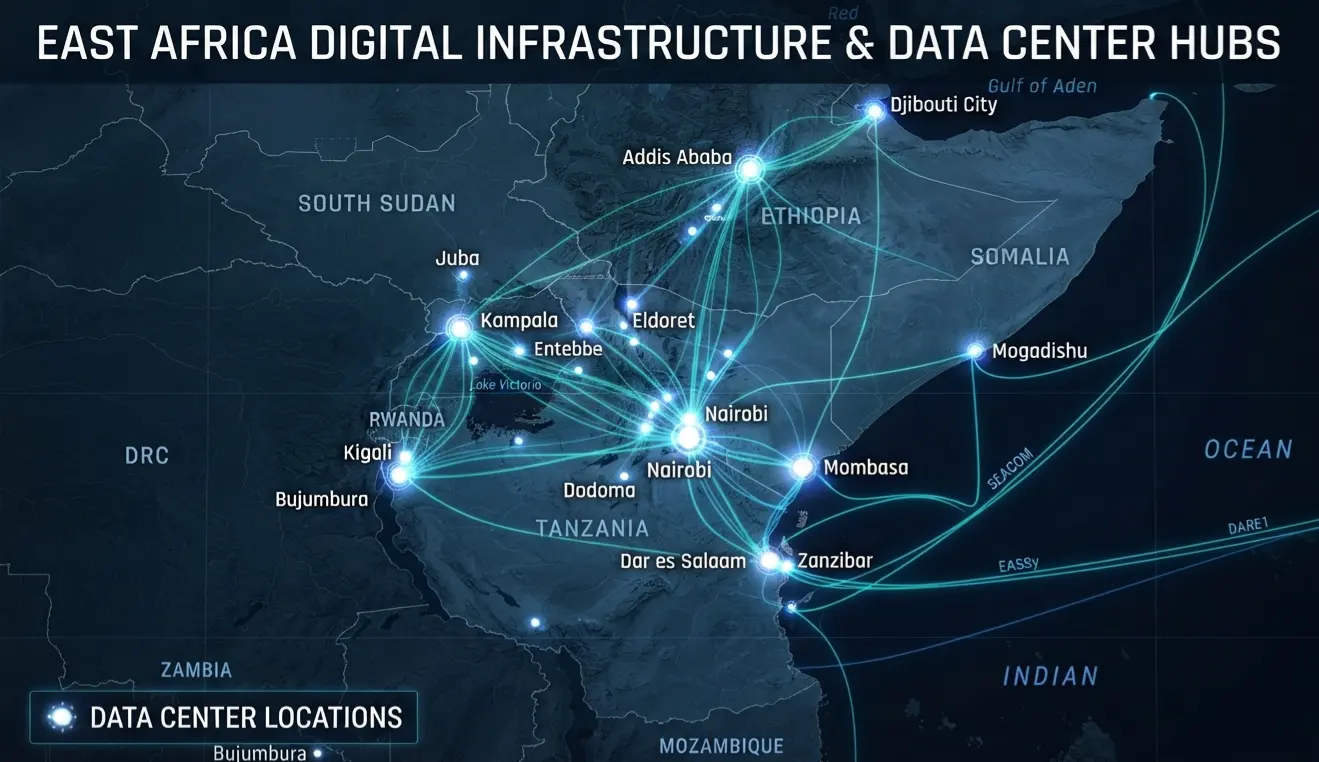
Kenya, Uganda, Tanzania, Rwanda and Ethiopia compared: facilities, operators, power, cables and policy. Where East Africa's data capacity actually sits today.
From the 2017 election hacking claim to the 2025 companies registry breach: Kenya's documented data disasters, what actually happened, and how each ended.
Microsoft and G42 promised Kenya a $1 billion data centre and a new cloud region. What was announced, why it stalled in 2026, and what comes next.
A plain-English guide to VPS hosting in Kenya with M-Pesa payments: verified local providers, starting prices, and how to choose. Updated September 2026.
The verified numbers behind Kenya's data centre market: 27 tracked facilities, six independent estimates compared, and what each measures.
23 of Kenya's 27 tracked data centres sit in two cities. The three forces behind the cluster: where cables land, where the grid is, where demand lives.
Kenya's data centre market is projected to grow from $180M to $450M by 2030. The investment drivers, expansions, and opportunities behind the curve.
AmCham 2026 delivered $600 million (Sh77.5bn) in one-day US pledges for Kenya, headlined by Oracle's first African cloud region and iColo's $80M project.
Six research firms value Kenya's data centre market from $266M to $606M. We fetched every report page and explain exactly why the numbers diverge.
Arizton values the Middle East and Africa colocation market at $3.33bn in 2025, rising to $12.88bn by 2031. Where Nairobi fits in.
Africa Data Centres, a Cassava Technologies company, operates colocation facilities in Nairobi and Mombasa within a 40+ site Pan-African network.
Liquid Intelligent Technologies runs Africa's largest fibre network and Nairobi data centres, connecting Kenya to 13+ countries and subsea cables.
Wingu Africa operates a carrier-neutral edge data centre in Nairobi built for cloud-on-ramp, CDN, and enterprise workloads. What it offers.
A due diligence checklist for choosing a Kenyan data centre: power, cooling, connectivity, security, and compliance, before you sign.
The macroeconomic forces driving data centre demand in Kenya, from M-Pesa and fintech to 5G, e-commerce, and government digitisation.
Inside Konza Technopolis, Kenya's 5,000-acre smart city: purpose-built infrastructure, SEZ incentives, and what it means for data centres.
No global cloud provider runs a region inside Kenya. Compare AWS, Azure and Google Cloud on latency, data residency and pricing for Kenyan workloads.
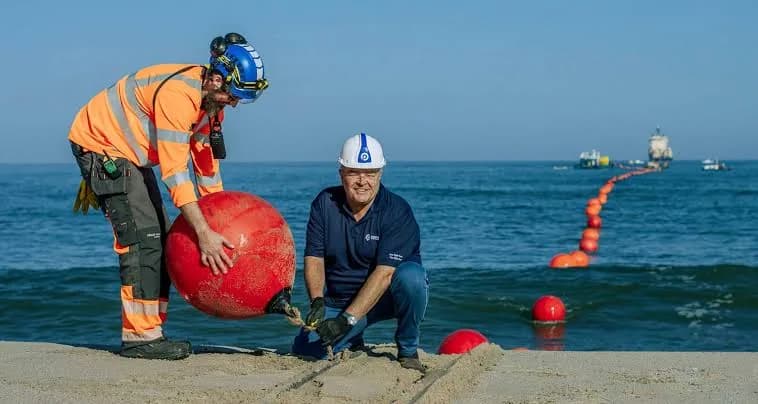
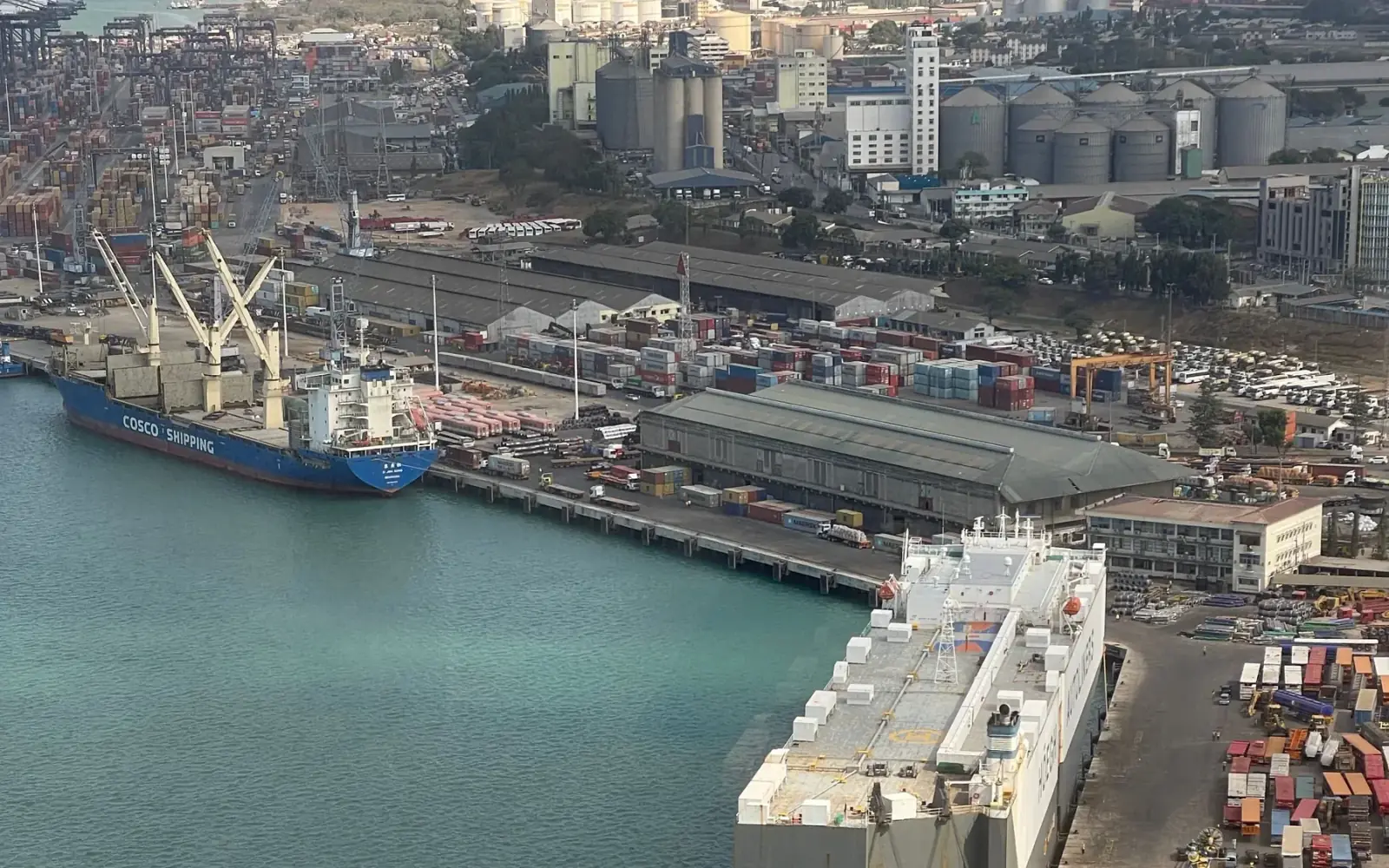
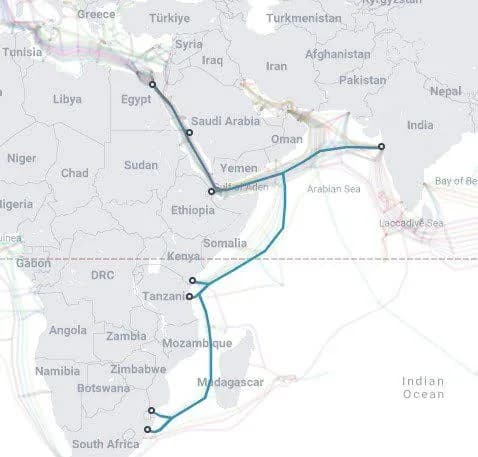
TEAMS, SEACOM, EASSy, LION2, DARE1, 2Africa and PEACE land at Mombasa. Landing stations, capacities, and why Africa-1 is not counted as live yet.
Meta's Petal cable will carry 1 petabit per second across the Atlantic by 2029. It doesn't land in Africa: here's why it still changes Kenya's connectivity math.
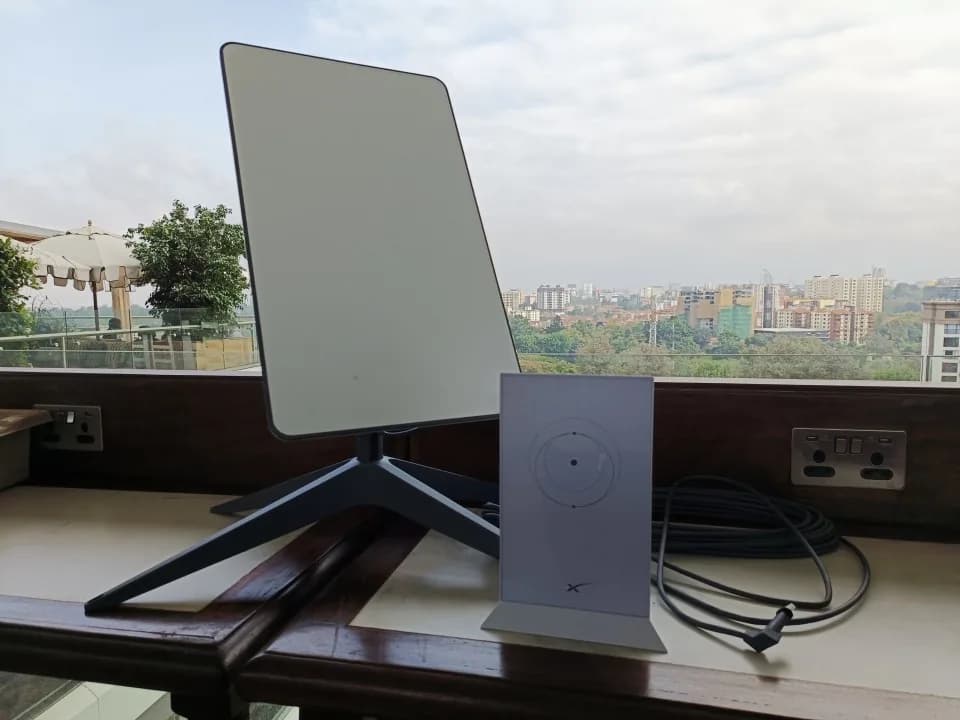
Starlink reached 25,000 Kenyan subscribers by March 2026. How satellite internet fits enterprise networks, backup links and disaster recovery, and where fibre still wins.
WIOCC's $300m raise, Kenya's 2.1m fixed lines: the hard part of Africa's fibre boom is what comes after the build, from prepaid plans to wholesale billing.
Somcable lands 2Africa and PEACE at Berbera and is building terrestrial routes into Ethiopia and South Sudan. What a northern alternative means for Kenya's cable risk.
Why Kenyan users feel slow apps, and how to fix it: edge locations in Nairobi, CDNs, AWS Local Zones and local hosting, explained in simple English.
Kenya's 15,000+ km of fibre connects its data centres to the world. Operators, pricing, redundancy, and the last-mile challenges that decide speed.
KIXP is the Kenya Internet Exchange Point. It keeps local internet traffic inside Kenya, reducing latency and costs. Here is how it works and why it matters.
How Kenya's 5G rollout by Safaricom and Airtel is driving demand for edge data centres, MEC nodes, and expanded colocation infrastructure.
Kenya's average mobile internet speed tops 25 Mbps. How speeds shape data centre demand, user experience, and digital competitiveness.
Africa's problem is grid reliability, not generation. How uptime engineering, geothermal baseload and on-site power shape Kenya's data centres.
Renewables overtake coal globally in 2026 as data centres drive demand. Kenya enters that moment with a 90%-renewable grid, a green data centre edge.
Kenya draws about 45% of its electricity from geothermal energy, giving data centres some of the world's lowest-carbon power. How the Rift Valley does it.
Kenya Power's industrial tariffs shape data centre operating costs. The tariff structure, demand charges, negotiation, and regional comparison.
Kenya's strong solar irradiance makes PV compelling for data centres. The economics, hybrid configurations, battery storage, and feasibility.
Kenya's geothermal advantage attracts data centres, but grid reliability and transmission bottlenecks remain the biggest obstacle to growth.
Aliko Dangote announced a 1,000 MW power plant at the proposed Lamu refinery, with 500 MW potentially for the grid. What it means for Kenya's data centre power problem.
Ethiopia plans to double electricity exports to Kenya. What 400 MW of regional power could mean for data-centre capacity, cost and reliability.
Why hyperscale projects are looking past Nairobi's grid to Olkaria's geothermal wells, what stalled the Microsoft and G42 build, and the latency math.
PUE is the key metric for data centre energy efficiency. How it is calculated, what good values look like, and how Kenyan facilities improve.
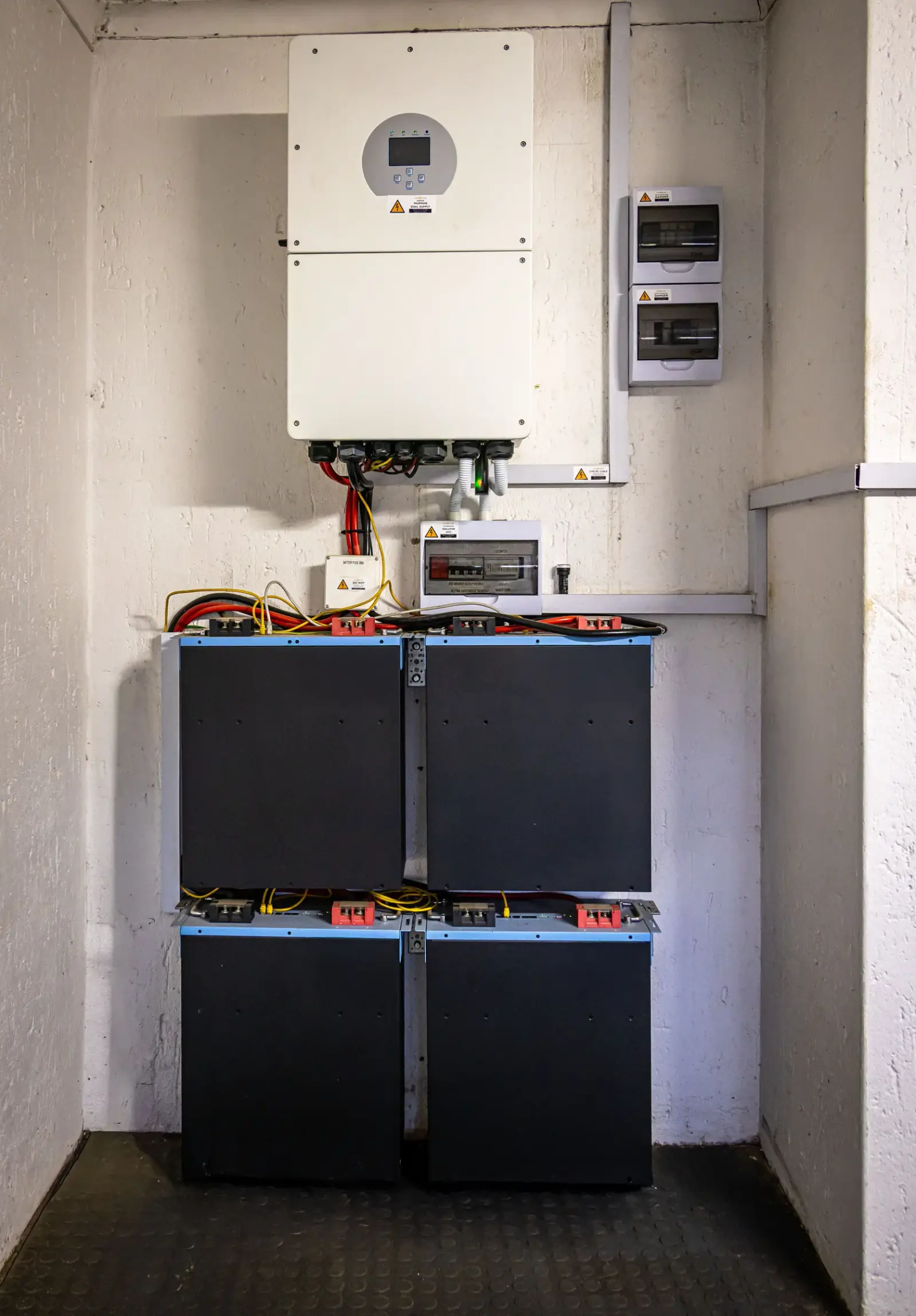
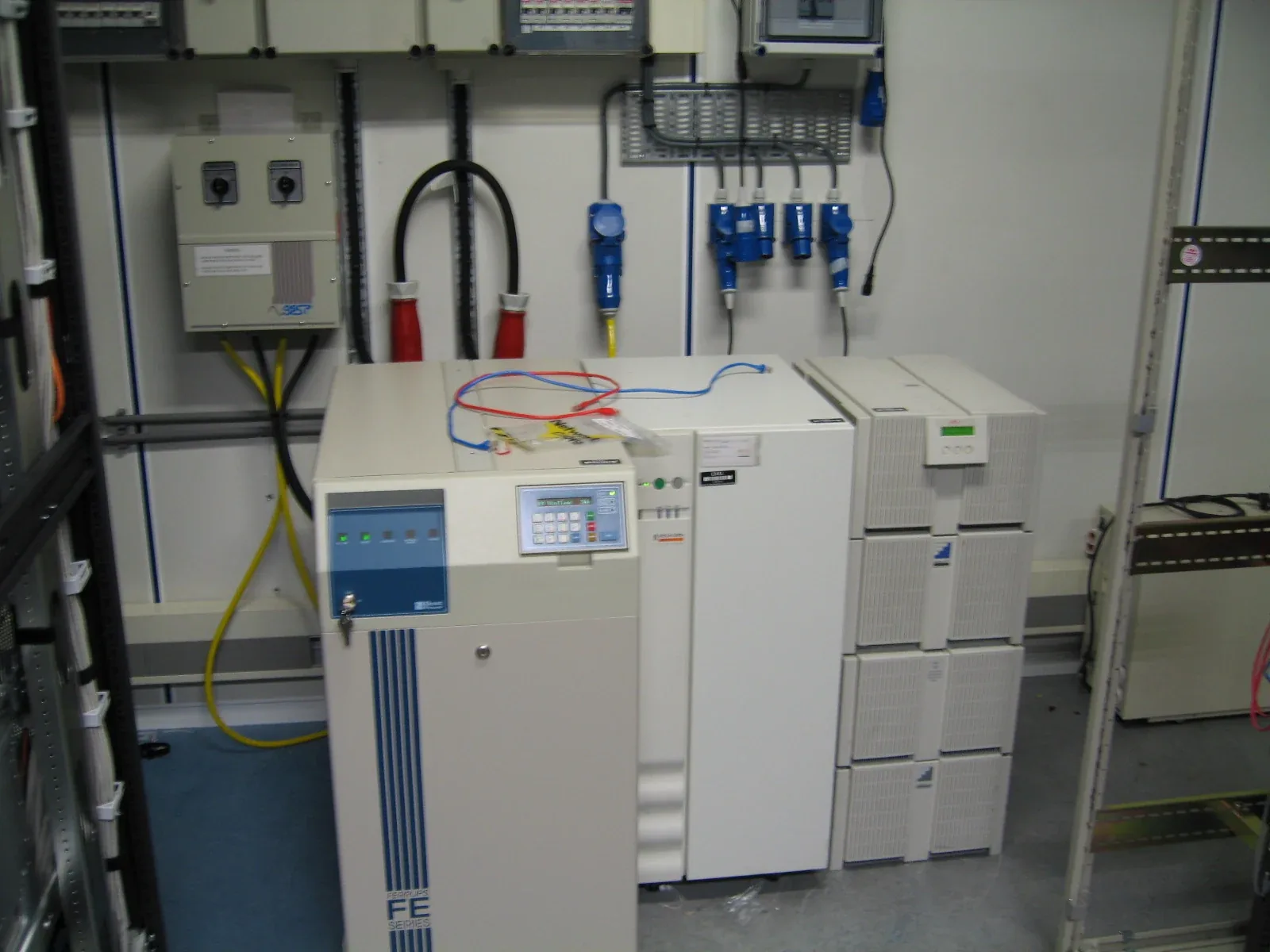
A guide to UPS systems in Kenyan data centres: types, battery technologies, sizing, redundancy, generators, and Kenya-specific challenges.
Guide to data centre certifications in Kenya, CDCP, CDCS, CCNP, AWS, Azure, PMP, with KES costs, local trainers, exam requirements, career impact.
IBTC's Data Centre Academy signed iXAfrica and IMEX in Nairobi. How the EU-backed source-train-place pipeline works, who pays, and what graduates get.
DCIM, BMS, monitoring, ticketing, NetBox and more: the software behind every Kenyan data centre job, what each tool does, and free ways to practise before you are hired.
Keppel DC REIT is paying 190 billion yen for two Tokyo hyperscale facilities. The deal metrics are the benchmarks African assets must meet.
Realistic career ladders in Africa's data centre industry, from cable technician to VP of Operations, with Kenyan salary ranges and certifications.
The certifications, skills, salary ranges, and hiring pathways for data centre careers in Kenya, from network engineer to facility manager.
Starting a data centre company in Kenya takes KES 500M-2B+, an NFP-T2 licence, land, and a market strategy. The investment and regulatory steps.
Gender diversity in Kenya's data centre industry: current participation, barriers, career pathways, and the initiatives driving change.
Kenya's data centre industry needs facility engineers, cooling specialists, and network architects. The roles, certifications, and entry paths.
Which Kenyan organisations are adopting LLMs, the compute they need, and why data-sovereignty rules under Kenyan law decide where models can run.
AI needs compute close to users. Kenya's submarine cables, geothermal power, and growing digital economy make it East Africa's natural AI data centre hub.
DigitalOcean's AI bet shows in its numbers: $894M in reservations, AI ARR up 212%, 155 MW committed. What the megawatt race means for Kenyan hosts.
AI workloads demand GPU-dense data centres at 20-40kW per rack. Kenya's emerging GPU infrastructure and the use cases driving demand.
Why Kenya needs local GPU power for AI, what the law says about keeping data home, and which facilities are actually built for it, in plain English.
AWS has committed $1.5bn to African infrastructure through 2029, on top of $819m since 2018. The leapfrog analogy is appealing, and incomplete.
The US is backing AI data centre deals across Africa as power limits bite at home. Lesotho, Gabon, Ivory Coast, and where Kenya fits.
PwC projects $31.6 trillion of data centre capex through 2050, and Africa's $255bn share is the only non-AI bet. Kenya's grid is the quiet edge.
MTN Group and Dubai investor Tarek Al Ashram launched Africa Data Hub to build AI data centres, starting with 150MW in Nigeria and South Africa.
Kenya's AI governance landscape is evolving fast. What the regulatory developments and sector-specific concerns mean for data centre operators.
How Kenyan organisations are pursuing AI model training locally, the infrastructure gaps they face, and what GPU-ready data centres will take.
Kenyan banks and fintechs use machine learning for fraud detection, credit scoring, and analytics. The infrastructure behind the models.
The full data centre design and build process in Kenya: site selection, feasibility, MEP design, commissioning, Kenya Power connection, and NEMA EIA.
The IMF counts about 160 data centres in Africa: 5.5% of the global total. We read the report: electricity is the constraint and Kenya is the test case.
The US DFC is putting up to $155m into WIOCC, its largest ever equity deal. What the money means for Kenya's bandwidth, open access and data centres.
The LuLu sea cable: a 500km coastal route from Mombasa to Lamu with five landing points and 144 fibre pairs. What is confirmed, and why it matters.
Paratus Group's 2,000 km Goma-to-Mombasa fibre route is live, linking DRC, Rwanda, Uganda and Kenya to subsea capacity. Why it matters.
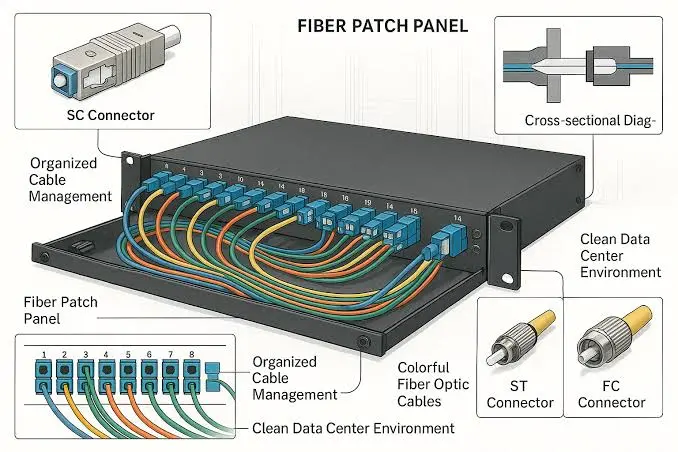
A guide to structured cabling standards, copper and fibre best practices, testing protocols, and certification for data centres in Kenya.
How interconnection and peering work in Kenya: KIXP, peering vs transit economics, cross-connects, and why Nairobi is East Africa's hub.
Edge computing places smaller facilities closer to end users, cutting latency for real-time apps. How the edge is emerging in East Africa and Kenya.
An in-depth guide to fire detection and suppression in Kenyan data centres: clean agents, VESDA, regulatory requirements, real installations.
Nairobi hosts 80% of Kenya's data centre capacity. Mombasa, Kisumu, and Konza each offer advantages. The factors behind site selection.
Cooling can eat up to 40% of a data centre's energy. From CRAC units to liquid cooling, how Kenyan facilities keep servers at optimal temperature.
Compare how Kenya, South Africa, Nigeria, Egypt, and Rwanda regulate data centres: licensing, data protection, tax incentives, and lessons for Kenya.
The CA's 30-day consultation on a standalone Data Centre licence would move colocation out of the NFP-T2 regime. Fees, timeline, implications.
Kenya's ICT Principal Secretary says the cables are done and compute is next. We break down his plan, the numbers and what is actually built.
Kenya has 186 projects worth about $172bn in AUDA-NEPAD's infrastructure database, including a $395m Mombasa data centre hub. What the registry shows.
Kenya's data sovereignty rules under the Data Protection Act 2019: cross-border transfer limits, sector obligations, and data centre demand.
The tax incentives for data centre development in Kenya: SEZ benefits, VAT exemptions, capital allowances, and how they compare regionally.
A new EU security institute brief maps how Europe wants to partner on Africa's digital infrastructure and AI, with Ghana and Kenya as test cases.
Less than 1% of global data centre capacity sits in Africa, and investors are racing in. HSF Kramer maps the dispute risks: power, land, water.
The building codes and approvals that govern data centre construction in Kenya: county permits, NCA registration, NEMA EIAs, and fire safety.
Kenya's Data Protection Act 2019 sets real obligations for data centres: consent, localisation, breach notification. What it means for operators.
Kenya's ICT policy environment and its impact on data centres: the Digital Masterplan, licensing, cybersecurity strategy, and African comparisons.
Kenya now requires data centre operators to hold an NFP-T2 licence (KES 15M, 15-year term). What the CA framework means for operators and investors.
Privacy-first analytics — GA4 and cookieless Clarity. Nothing analytical loads until you agree. Privacy details.